
Expansion Through Acquisition | Heritage Bank
By INDIA YARBOROUGH | Photos by BRIAN PETERS

Organic growth in the banking industry has its limits. That’s why after several years of steady growth, according to President and CEO Tony Konrade, Heritage Bank began to consider acquisition as a path forward.
Tony started as CEO in 2020. In late 2024, the Topeka-based bank announced it was in the process of acquiring Fidelity State Bank & Trust. They closed the deal earlier this year.
“We identified that Fidelity was a really good fit for us early on,” Tony said. “We reached out to them before it was really for sale, just saying, ‘Hey we’d be interested.’”
WHEN TWO BECOME ONE
Fidelity’s history and reputation were attractive to Heritage, as the bank had operated in Topeka for more than a hundred years. Both banks got their start in the capital city, amassing loyal customers across Northeast Kansas.
“They’ve been there a long time. They know what they’re doing. They take care of their customers,” Tony said of Fidelity, which opened its doors in 1922 as Fidelity Savings State Bank. “That was important to us, because that’s how smaller banks survive — giving excellent customer service to people. Maybe we’re not able to offer a few things some of the big banks do, but we can really pick up the phone and talk to people and handle their problems.”
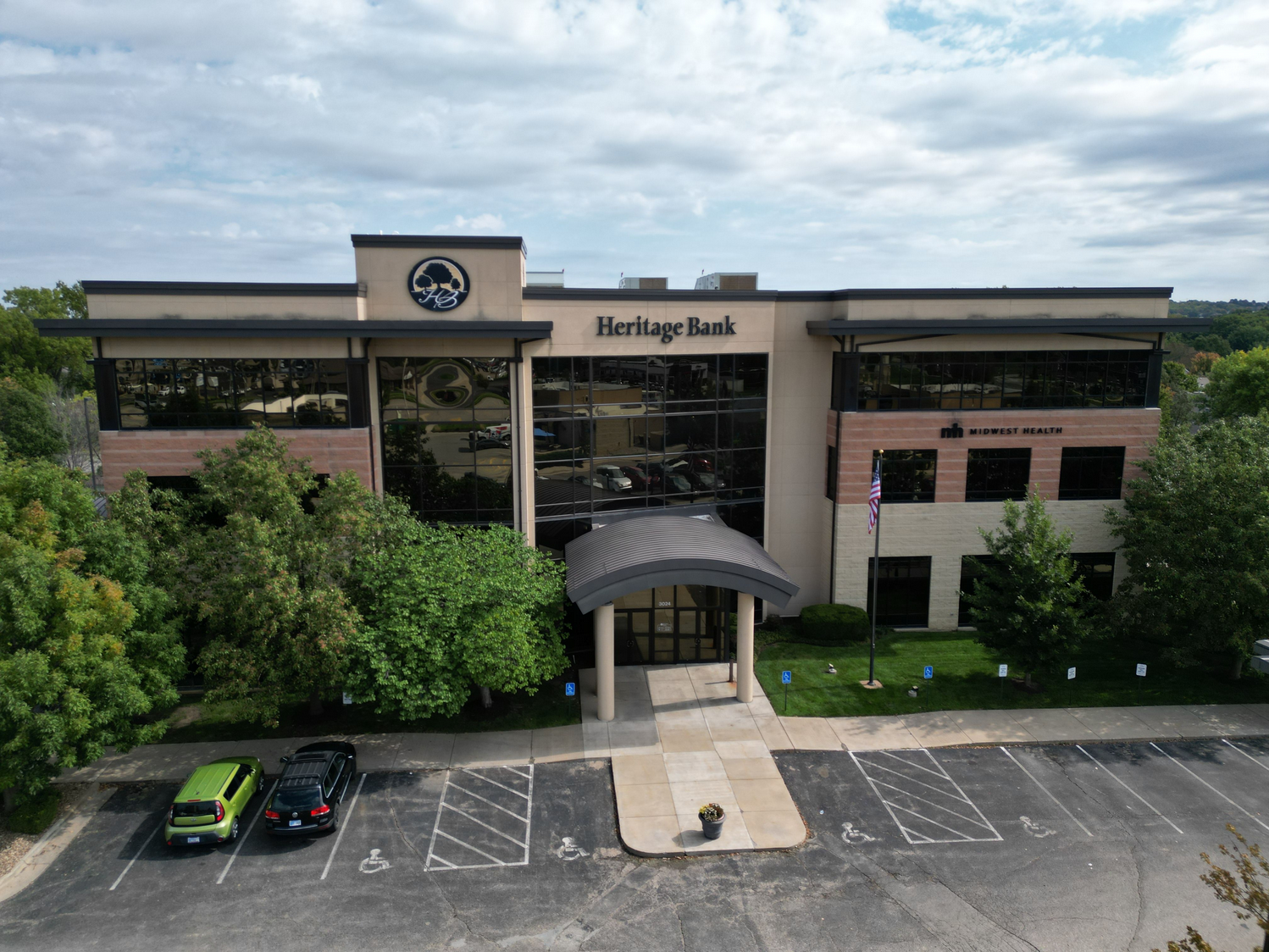
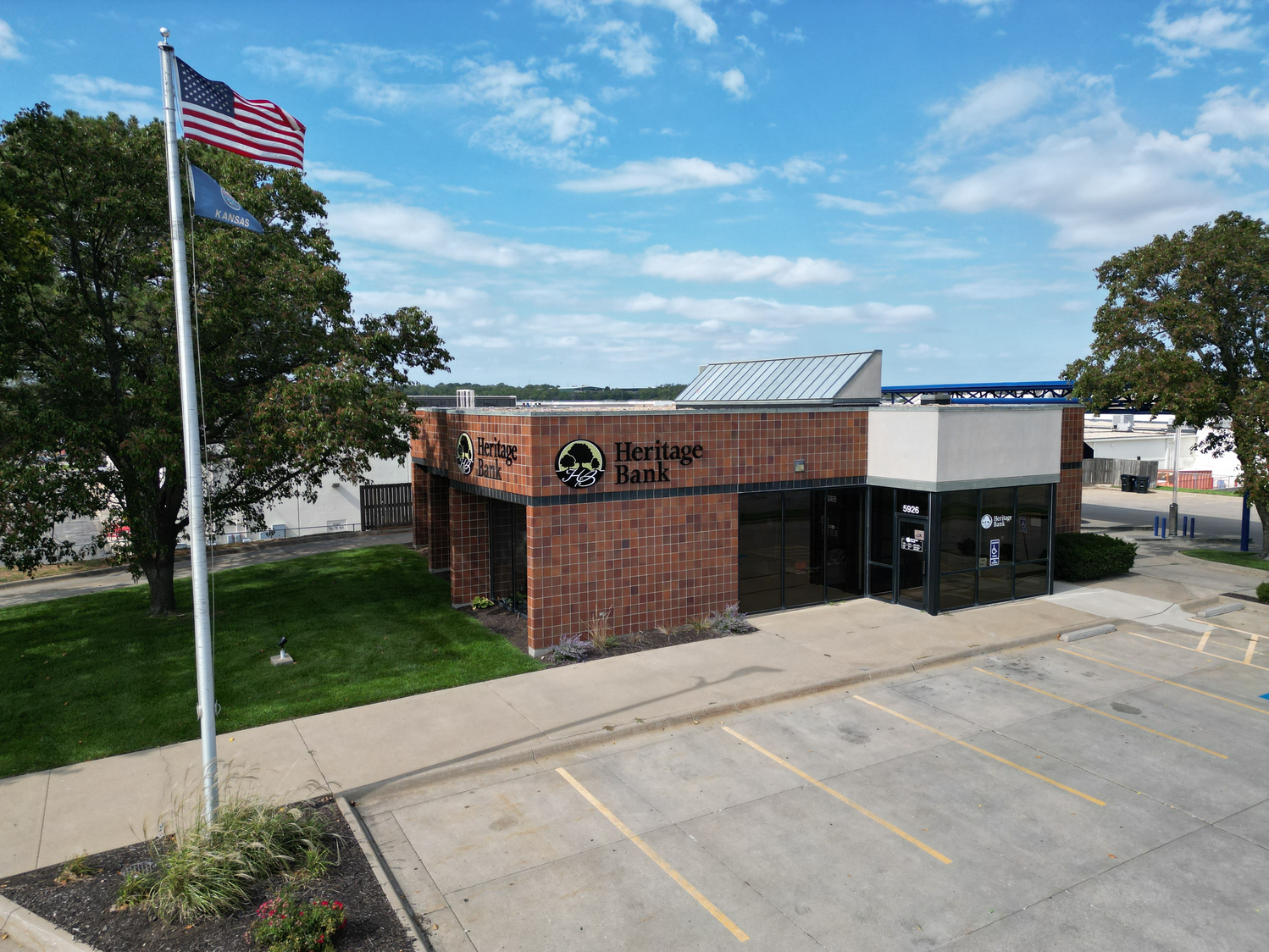
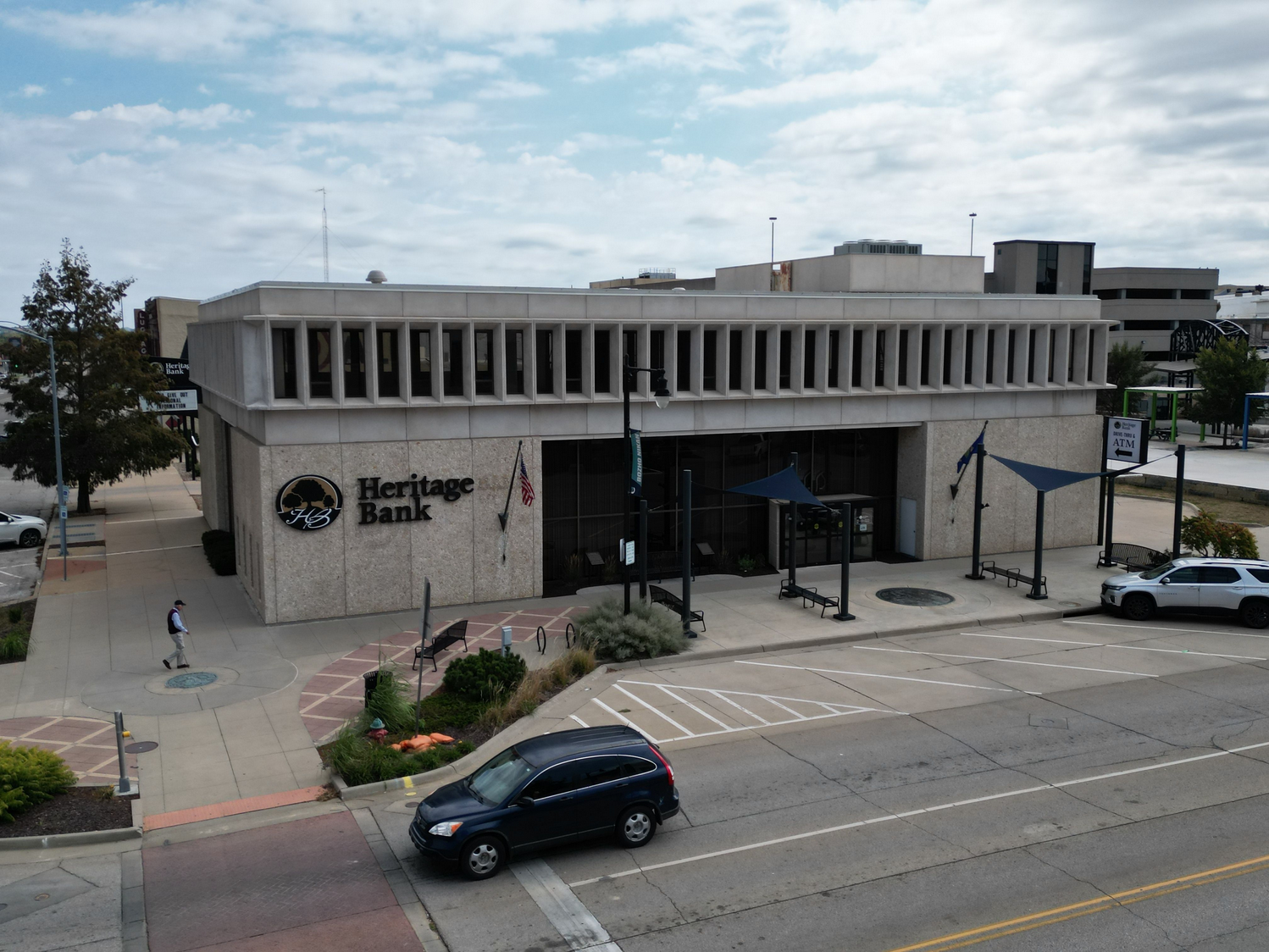
For Heritage Bank, founded in 2003, being able to onboard Fidelity’s century-old banking experience was a win. With the merger now complete, Heritage has grown from one branch location to three and doubled its assets under management to about $300 million. It also grew from 17 to 47 employees, expanding the bank’s front line.
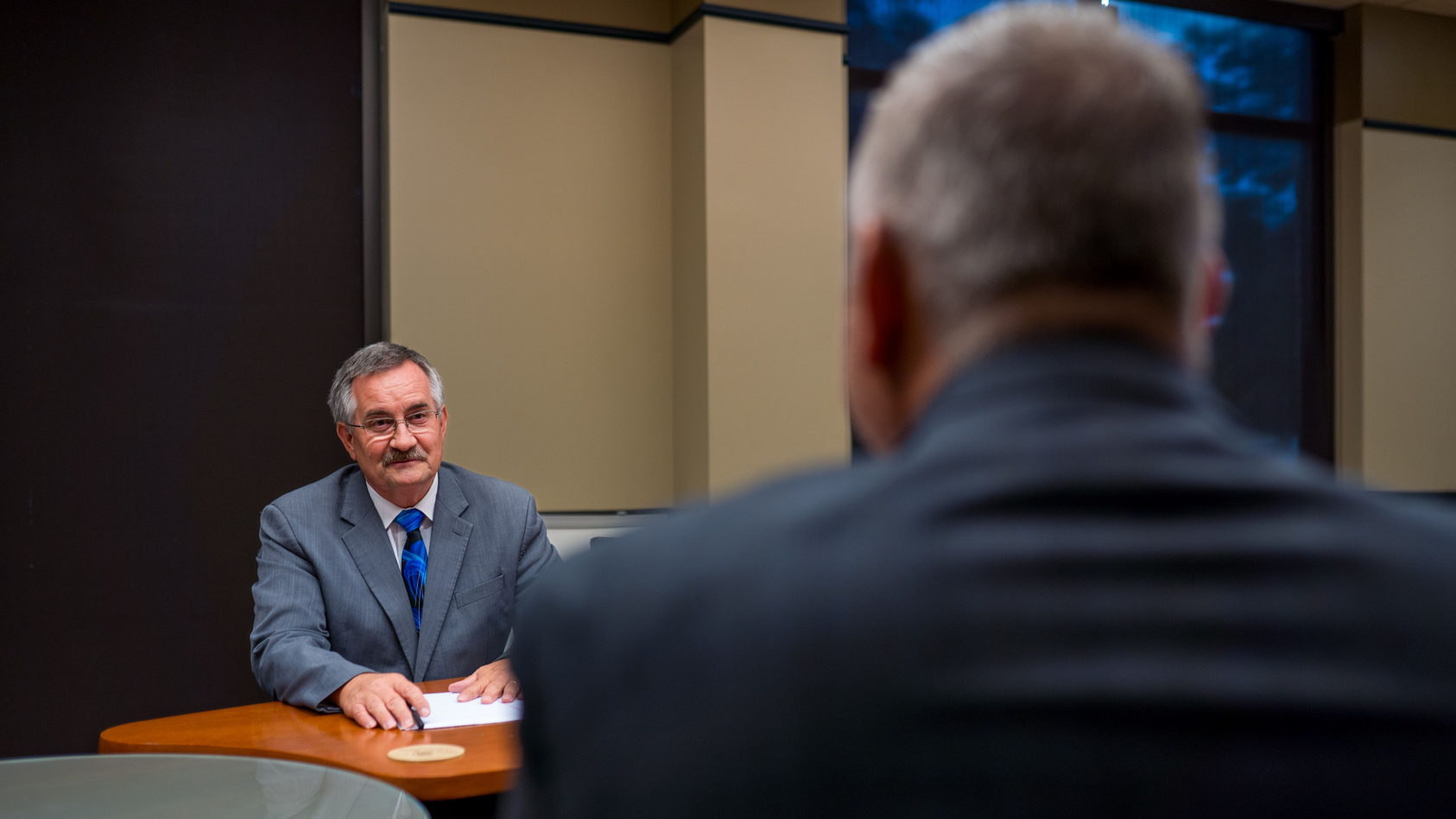
“Merging the two together allows us to tap into their experienced staffing and their resources,” Tony said.
According to Allan Towle, former president and CEO of Fidelity, the bank he led knew it needed to expand, as well.
“The shareholders were ready to transition the bank,” Allan said. “As a small bank, it’s hard to compete in today’s economy. They decided the best way to do that was to go ahead and sell the bank to another institution.”
He said Fidelity’s owners were intent on keeping the bank locally owned and operated if possible. They got multiple bids and, in a show of mutual understanding, saw Heritage as the best fit.
“It’s really a perfect match,” Allan said. “Heritage has a very similar outlook on how they deal in the community, how they work with customers.”
NEW MONEY, OLD WISDOM
Now executive vice president of Heritage Bank, Allan has played a key role in navigating the merger transition — getting “all the stuff working together,” he said.
The banks used the same main processor, helping streamline some of the integration. Still, other technologies and standard operating procedures differed.
“We’re learning those as we go, very quickly,” he said. “One of the things I’ve been told by several customers is that they were really pleased with how little impact it had on their business or on their individual account. There were a few things in those first few days that we spent a lot of time on the phone helping customers get through, but the comments I’m hearing are, ‘We haven’t had a lot of difficulty’ and ‘What we had, you guys did a fantastic job taking care of us.’”
Ensuring customers feel cared for through this period of change is a key element of the success strategy, he added.
“People ask me how’s it going, and I explain it to them this way,” Allan said. “It’s kind of like standing on top of that snow-covered hill with your sled ready to go, and it looks so nice and smooth. We jumped on our plastic sled, and we’re flying down the hill and feeling every little bump. But we haven’t hit any big rocks, haven’t hit any trees and haven’t fallen off a cliff — so things are going really well.”
Some of Fidelity’s employees had been with the bank longer than Heritage has been in business. When it came to uniting the two teams, Heritage chose to retain all staff, keeping the experience in house.
“In most situations, that’s not an option,” Allan said. “In this situation, they’re also a bank that wants to grow, and though we probably have a few extra people today, we’re going to grow into that pretty darn fast.”
He added the teams are getting along well, including at the executive level. They’re working to develop a cohesive culture and come to terms with the new structure.
“It’s something we have to do delicately,” Allan said. “We can’t become Fidelity Bank, because that’s not who Heritage Bank is. We as past employees of Fidelity need to recognize, and the employees of Heritage need to recognize, we are all now Heritage Bank — so whatever happens, good, bad or otherwise, we are part of that.”
BIGGER BUT STILL LOCAL
Both Tony and Allan say the Heritage-Fidelity merger is good news for Topeka.
“One of the things Topeka thrives on and does well with is locally owned businesses and taking care of them,” Allan said. “We keep being a locally owned bank by merging with Heritage, and now we’re twice the size. That creates a lot more opportunities for what we can do to help the community as a whole and help customers and businesses and consumers out here.”
It also makes the new Heritage Bank a more competitive force in the region’s banking market, Allan said, adding that they “plan to be aggressive and grow.”
According to Tony, consolidation in the banking industry has been a trend in recent years. Heritage and Fidelity joining forces could mean more banking power for Topekans.
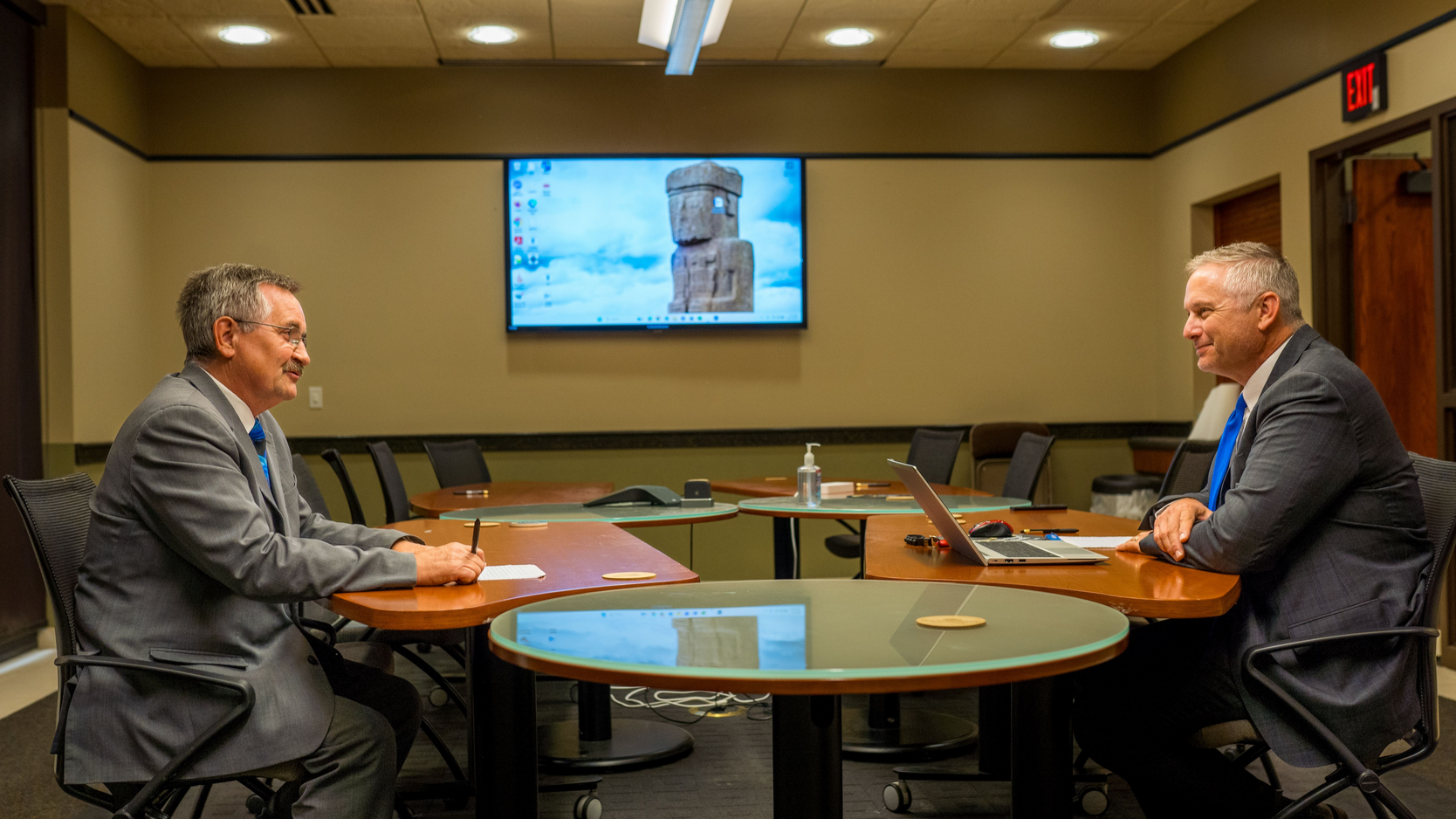
“I think it’s good for Topeka to have options,” Tony said, “and two smaller banks joining forces to be a little larger fish in the market and be able to provide more services and products to Topeka and Shawnee County is important.”
As far as what the move means for Heritage’s future growth, the bank plans to enhance current products to better meet customer needs. They continue to be involved in the community, with staff serving on nonprofit boards and volunteering in their kids’ schools. They also have a long-term plan in place to ensure Heritage evolves.
“We’re looking to continue to grow,” Tony said. “If there are acquisition opportunities out there, we’ll always explore those. Our owners are all in on this. They have been since day one in 2003. They want to see this be a legacy long term.”