

Something to Crow About | Rooster Asset Tracking
By LISA LOEWEN
Imagine running a major construction company where millions of dollars in equipment are scattered across dozens of job sites. Every idle forklift and lost tool impacts the bottom line.
This was Dustin Gary’s reality. As the founder of DM Gary Holding Company, a private investment firm with interests in construction, he knew he needed a better way to track and manage his arsenal of heavy machinery.
“I needed to know three things,” Dustin said. “What do I own? Where exactly is it? And is it actually being used?”
These may sound like simple questions, but answering them is rarely a straightforward process. Dustin looked for an asset management system that could monitor his construction equipment in real time, but the results were disappointing. Nothing he found was capable of giving him the data he needed.
That’s when he decided it was time to develop the perfect asset management system he couldn’t find: Rooster Asset Tracking.
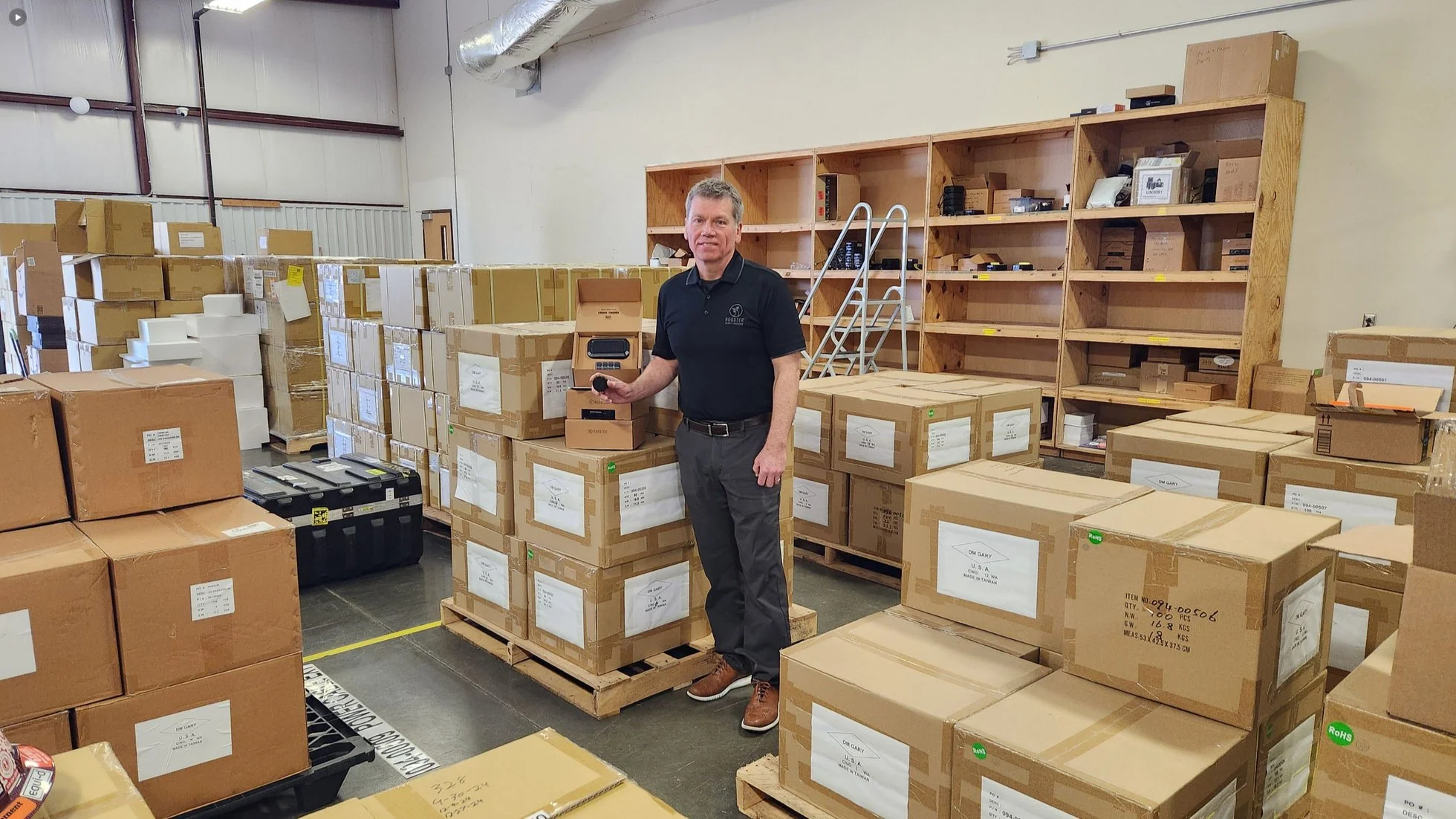
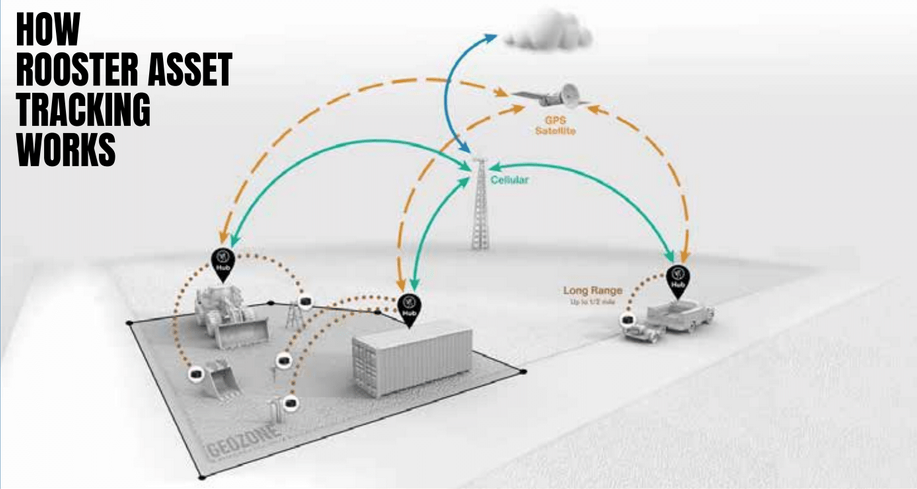
“Think of a rooster in a hen house,” Dustin said, explaining the story behind the company’s name. “The rooster is the hub. The trackers are the hens. The rooster monitors the activity of the hens running around the yard, taking inventory of where each one is located and protecting them.”
Just like the rooster in the henhouse, Rooster Asset Tracking helped Dustin keep an eye on his construction equipment.
DATA-DRIVEN RESULTS
Once he’d designed Rooster from the ground up, Dustin realized other companies could benefit from his product. That’s when he hired Tom Garcia, an engineer with a background in operations, to be the new company’s president.
“When Dustin told me what he was trying to do, it all clicked,” Tom said.
With the help of Cindy Trotto, Rooster’s marketing manager, the company debuted at the World of Concrete Conference and Exhibition in Las Vegas in January 2023.
“We participated in 19 trade shows in the first two years to create awareness and prove we’re a viable player in this market,” Cindy said. “We had something no one else could offer, and people took notice.”
As Rooster gained customers, they also gathered feedback to help them improve the system’s features and functionalities.
“We knew going in that we didn’t know everything,” Tom said. “We asked those early adopters to tell us what worked, what didn’t work, what the would like to see and what features they didn’t use.”
That feedback helped them launch Rooster 2.0 in 2024, offering customers faster load times, better functionality and improved performance.
Unlike other telematic asset tracking systems that use Bluetooth technology and have limited functionality and reporting, Rooster Asset Tracking uses a different communication protocol. LoRa, a low-power, low-data consumption communications protocol, allows for real-time tracking across long distances, with signals that transmit through concrete, metal and other dense materials.
“It’s basically a cell phone without a receiver,” Tom said.
Dustin also wanted to create an easy-to-use, easy-to-install tool that put power in the hands of users, from field employees to fleet managers. Rooster found its niche in providing real-time, minute-by-minute activity data that can be configured into a variety of custom reports.
“In the construction business, if a job is billed on a time-and-materials basis, accurate tracking for each piece of equipment is critical,” Tom said. “That often means you’re asking highly skilled equipment operators, at the end of a long day, to try to remember how many hours they spent on the equipment while filling out forms. Skilled tradespeople in the field need to be focused on their skills, not administrative tasks.”
Tracking assets and usage helps businesses manage their equipment inventory more efficiently. For example, a project manager might want to buy an excavator because they don’t have one available for their next construction job. With Rooster, the equipment manager can see exactly how many excavators they already own, where they’re currently located and how often they’re being used.
“When you’re talking about equipment that can cost hundreds of thousands of dollars, that really impacts your business,” Tom said. “It’s all about doing the most with what you have.”
A CUSTOMER-FIRST APPROACH
Rooster wants to simplify the shopping experience for customers while giving them more choices. To do this, they’ve added various buying options to their website.
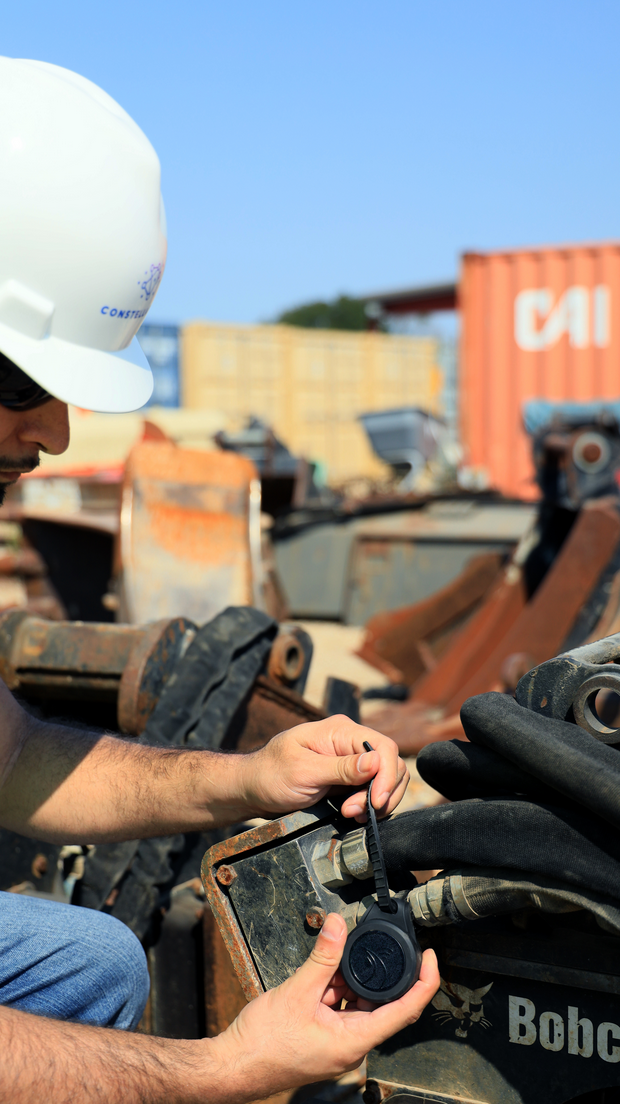
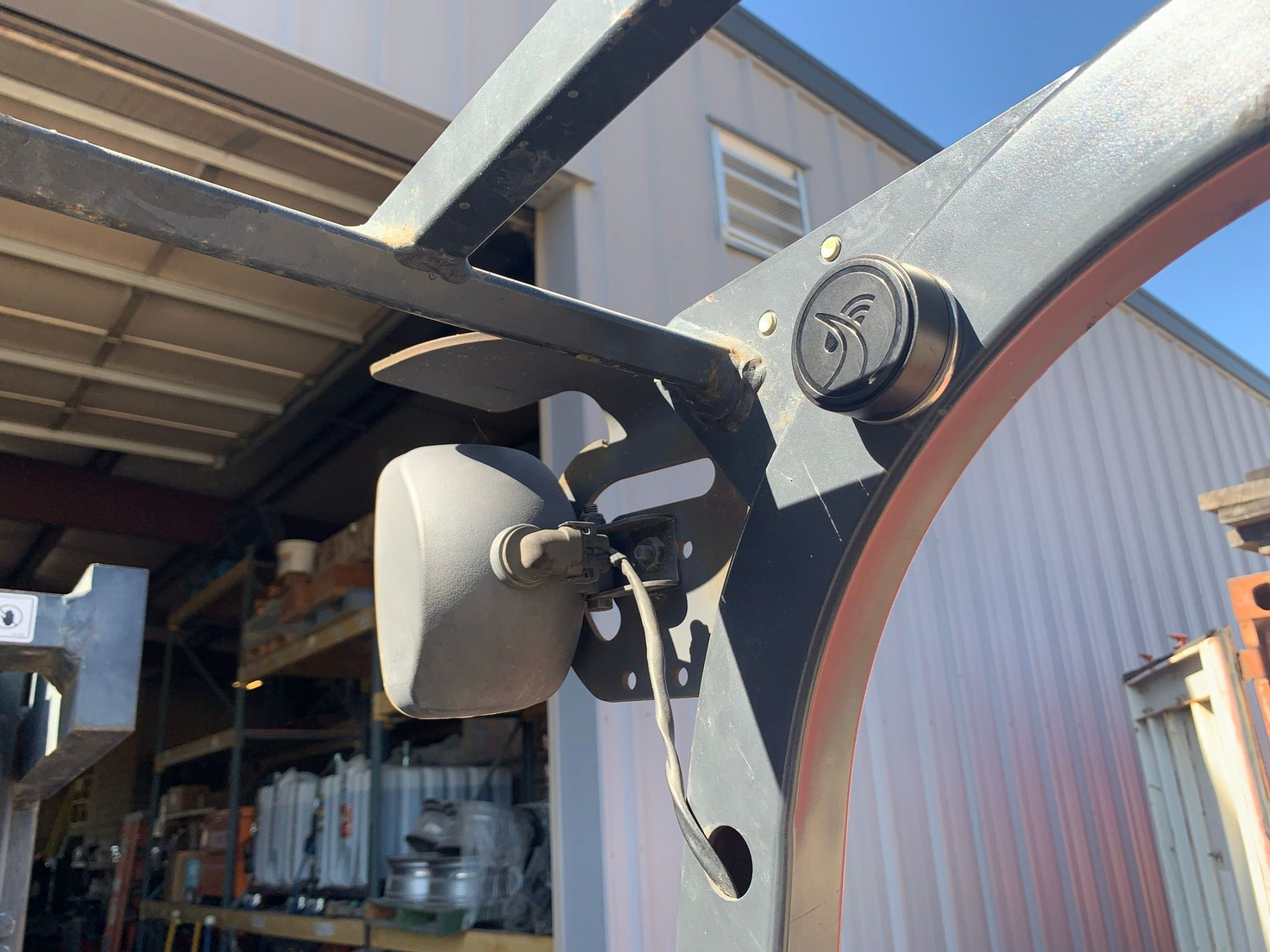
Customers can purchase individual Rooster hubs and tracker packs or pre-bundled kits. The Rooster Starter Kit includes a hub and four trackers, but customers can purchase kits with up to 12 hubs and 200 trackers. The company also sells accessories like power adapters, mounting magnets, deflector mounts, tape and lanyards to secure trackers on smaller equipment.
“Our customers aren’t asked to sign any contracts. They buy the hardware they need, then activate a monthly subscription to the software for each piece they want to deploy. Customers can activate and deactivate the service whenever they want,” Tom said.
When potential customers contact the company to learn more about their products, the first thing Rooster does is ask them what problem they’re trying to solve.
“Once we understand their needs, we make sure Rooster can solve those problems and provide value. The last thing we want to do is push Rooster into an application where it doesn’t fit,” Tom said.
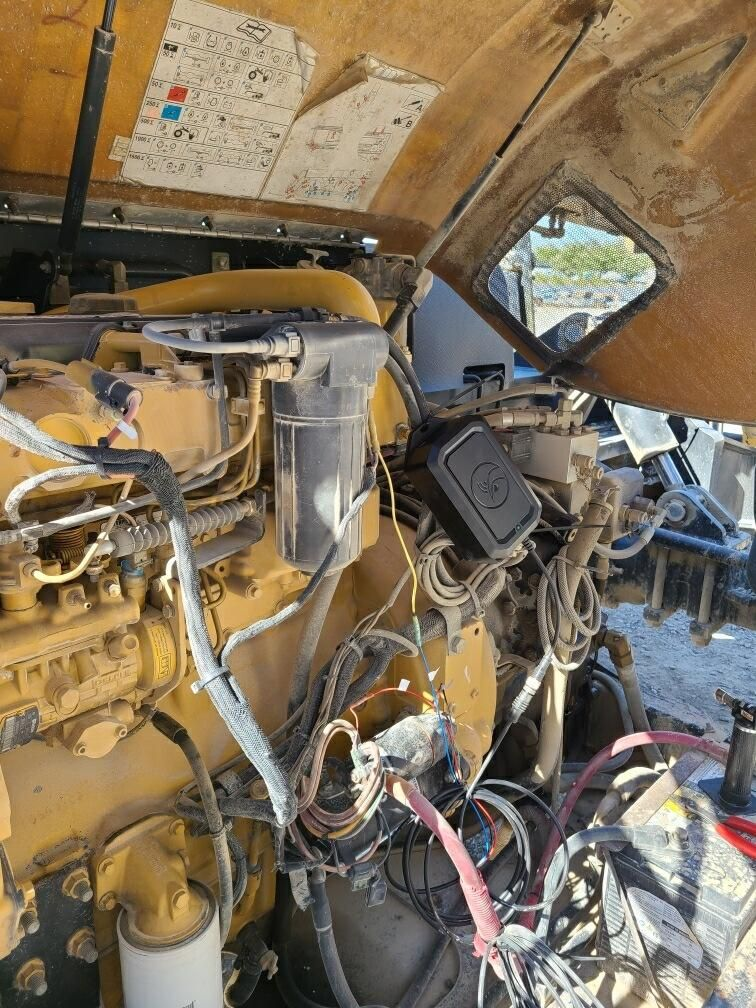
The next step is to identify which assets the client wants to track and propose an appropriate hardware configuration. For example, if a client has 15 trucks, two bulldozers and several pieces of smaller equipment, Rooster might suggest placing hubs at the job site and on every truck and bulldozer, while adding trackers to the smaller equipment.
Next, customers download the free Rooster Asset Tracking app and for a monthly price of $1 per tracker and $10 per hub, they can access detailed activity reports. These reports allow them to track equipment by geozones and determine usage, ownership and operating costs. Customers can view a list of equipment at each location or even request a map or satellite view of an area so they can see how their assets are dispersed.
While the original plan was to create a tracking app for the construction industry, Rooster is now thinking about pitching the tool to related markets. Even though their primary sales focus is in the United States, the company has many customers in Canada and is working on certification in Mexico and Europe.
“Our goal is not to launch Rooster around the world at this time,” Tom said, “but to support those North American companies that do business internationally.