
KMC Introduces New Skin Cancer Treatment
By CORINN GUEMMER | Photos by JOHN BURNS

KMC Dermatology has become the first practice in the state to offer Image-Guided Superficial Radiation Therapy (IG-SRT) for non-melanoma skin cancer. The technology is now available at KMC’s Topeka location, giving local patients access to a treatment option for skin cancer that doesn’t require surgery.
“We wanted to provide the full range of treatment for skin cancer and have always strived to be the first in the market for anything related to skin,” said KMC CEO Dr. Shekhar Challa, when asked what inspired their practice to bring IG-SRT to Kansas.
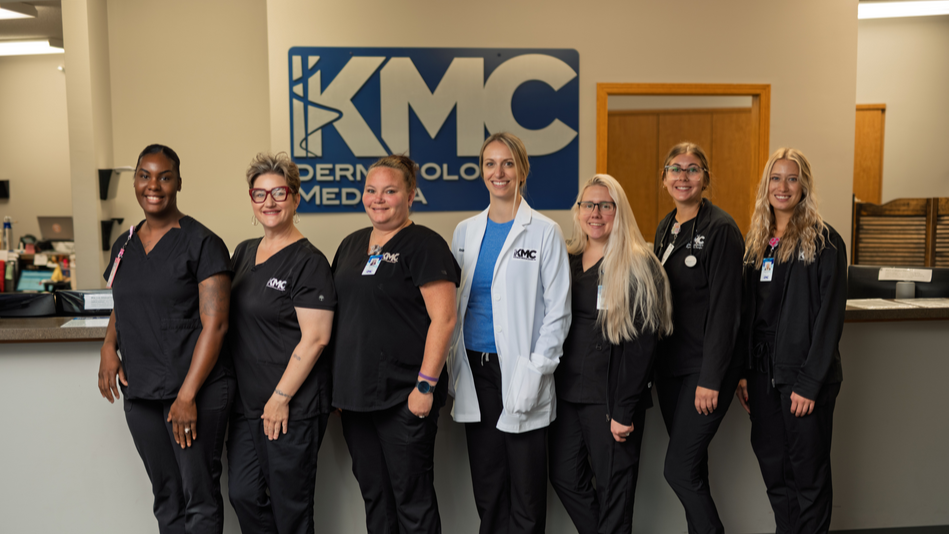
KMC Dermatology provides comprehensive skin care services to patients across Kansas and Missouri.
“This technology isn’t just about treating cancer,” said Tessa deGuzman, KMC’s business development manager. “It’s about expanding safe, effective options for patients who need them most.”
IG-SRT is used to treat basal cell carcinoma and squamous cell carcinoma, the two most common types of non-melanoma skin cancer. The process uses targeted, low-dose radiation to destroy cancer cells without harming surrounding healthy tissue.
The “image-guided” component allows providers to see the exact size, shape and depth of the cancer in real time, ensuring precision treatment. According to deGuzman, the treatment offers high cure rates of up to 99%, no incisions, stitches or scarring, minimal side effects, and quick and painless treatments. No reconstructive surgery is necessary.
The treatment involves brief sessions, usually lasting only a few minutes, with patients able to return to normal activities afterward. Because the treatment is non-invasive, it is often described as “gentle” and is generally well tolerated, even among older patients or those with underlying health conditions. The entire treatment course typically involves multiple short visits over several weeks, allowing KMC providers to monitor progress closely and make adjustments if needed.
The treatment is available for patients who are not ideal surgical candidates due to age, medical conditions or personal preference. IG-SRT can also be considered for certain benign skin conditions like keloids.
“It’s a gold standard, surgery-free cure experience,” deGuzman said. “We’re currently offering it in Independence, Topeka, Lawrence, Mission, Manhattan and soon in Leawood.”
IG-SRT is one part of KMC’s approach to dermatology. The practice offers medical, surgical and cosmetic services under one roof, something Ansley McKenna, APRN, sees as a major benefit for patients.
“We have so many treatment options for patients including Superficial Radiation Therapy (SRT) and Narrowband Ultraviolet B Phototherapy (NBUVB),” McKenna said. “These are treatments that are not offered everywhere, and it is so important to have choices for patients because everyone values different risks and side effects. This makes each treatment plan more unique to the patient and their goals.”
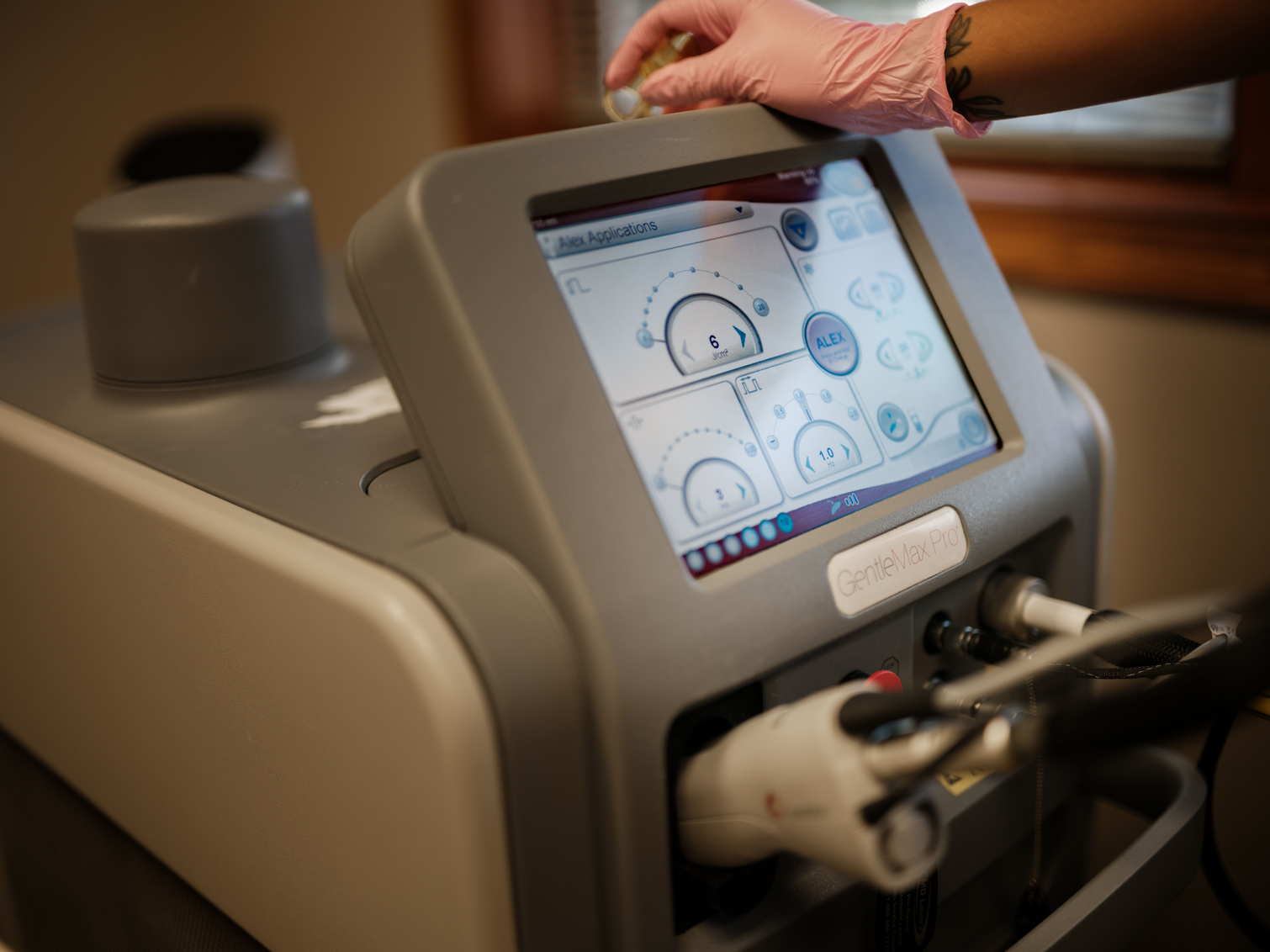
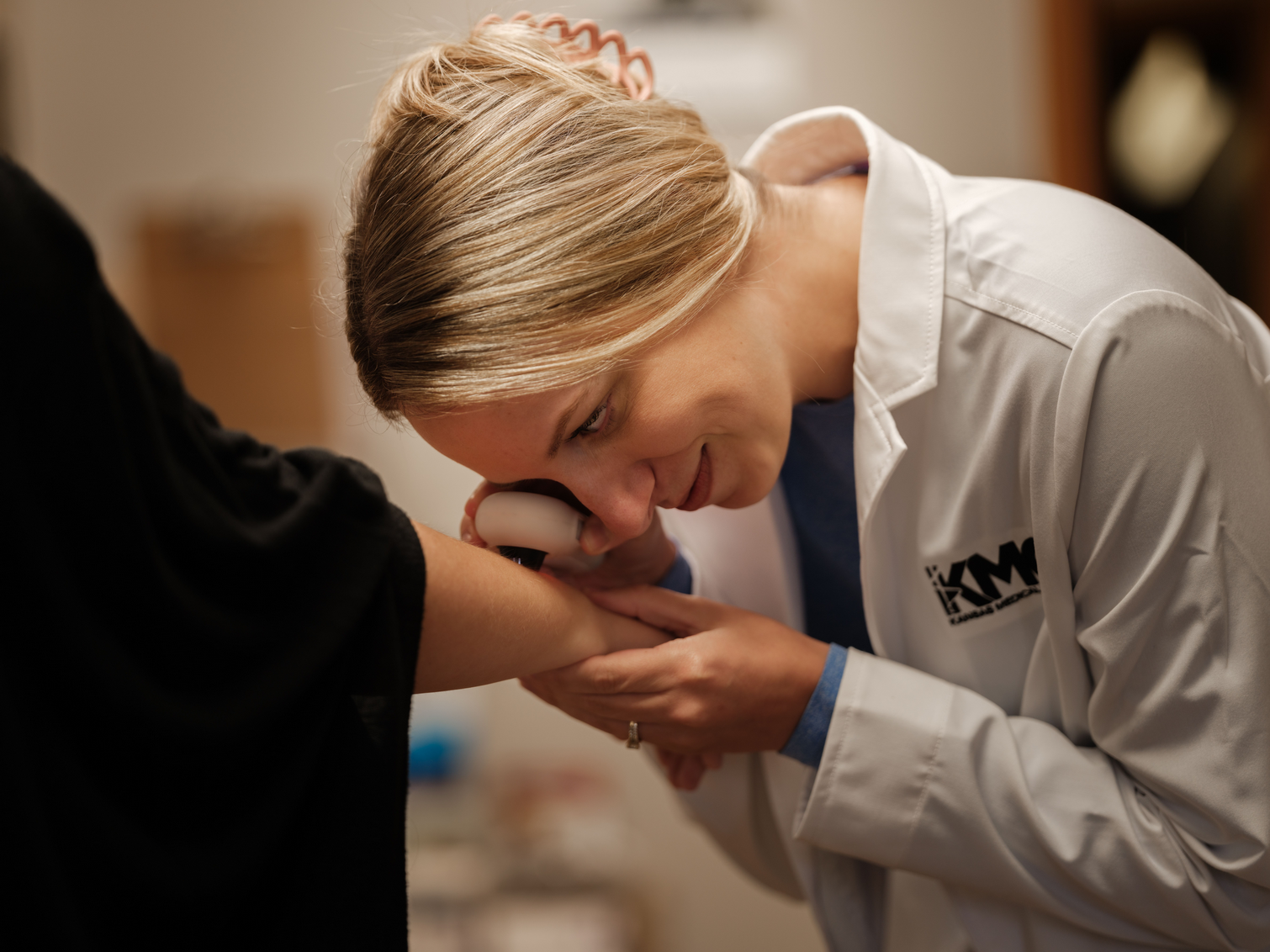
McKenna adds that KMC prioritizes accessibility.
“I have always felt that everyone at KMC really tries to see our patients as soon as we can and work them in if they are having an issue,” she said. “We try our hardest to help them in every way that is possible.”
That responsiveness is deliberate, Dr. Challa says.
“We look at everything from a patient convenience perspective and ask, ‘If I were the patient, what would I want?’ Of course, these are the first things that come to mind,” he said, explaining it’s why KMC offers same-week appointments.
McKenna says working at KMC means a lot to her and the other providers, and that her patients keep her motivated.
“I love getting to know them and genuinely want the best outcome for them, which can only be done by continuing to educate myself,” McKenna said. “I also want to show my daughters someday that their mom is doing what she loves and is giving it her all.”
Her colleague, Jessica Hubach, APRN, agrees.
“I really enjoy all aspects of dermatology,” Hubach said. “My favorite part would have to be medical visits, including skin exams and acne treatment. I like being able to talk to patients and get to know them during their exam.”
Both McKenna and Hubach say they stress the importance of breaking common misconceptions about dermatology.
“People seem to think dermatology is more of a cosmetic scene or a thing for the aging population,” McKenna said. “Everyone should be coming to dermatology for a baseline skin exam as it is becoming more common to see skin cancers and precancers in younger patients.”
Hubach offers a simple checklist for reducing risk: get yearly skin checks at a dermatology office, apply a broad-spectrum SPF of 30 or higher daily, reapply SPF every two hours when outdoors, wear sun-protective clothing such as a wide-brimmed hat, and avoid tanning beds.
Taylor Cowen, KMC’s marketing manager, says community outreach is a big part of their strategy.
“KMC is on a mission to save lives through skin cancer prevention and detection,” Cowen said. “This is done by providing free skin cancer screenings to our communities and educating patients through our online platforms.”
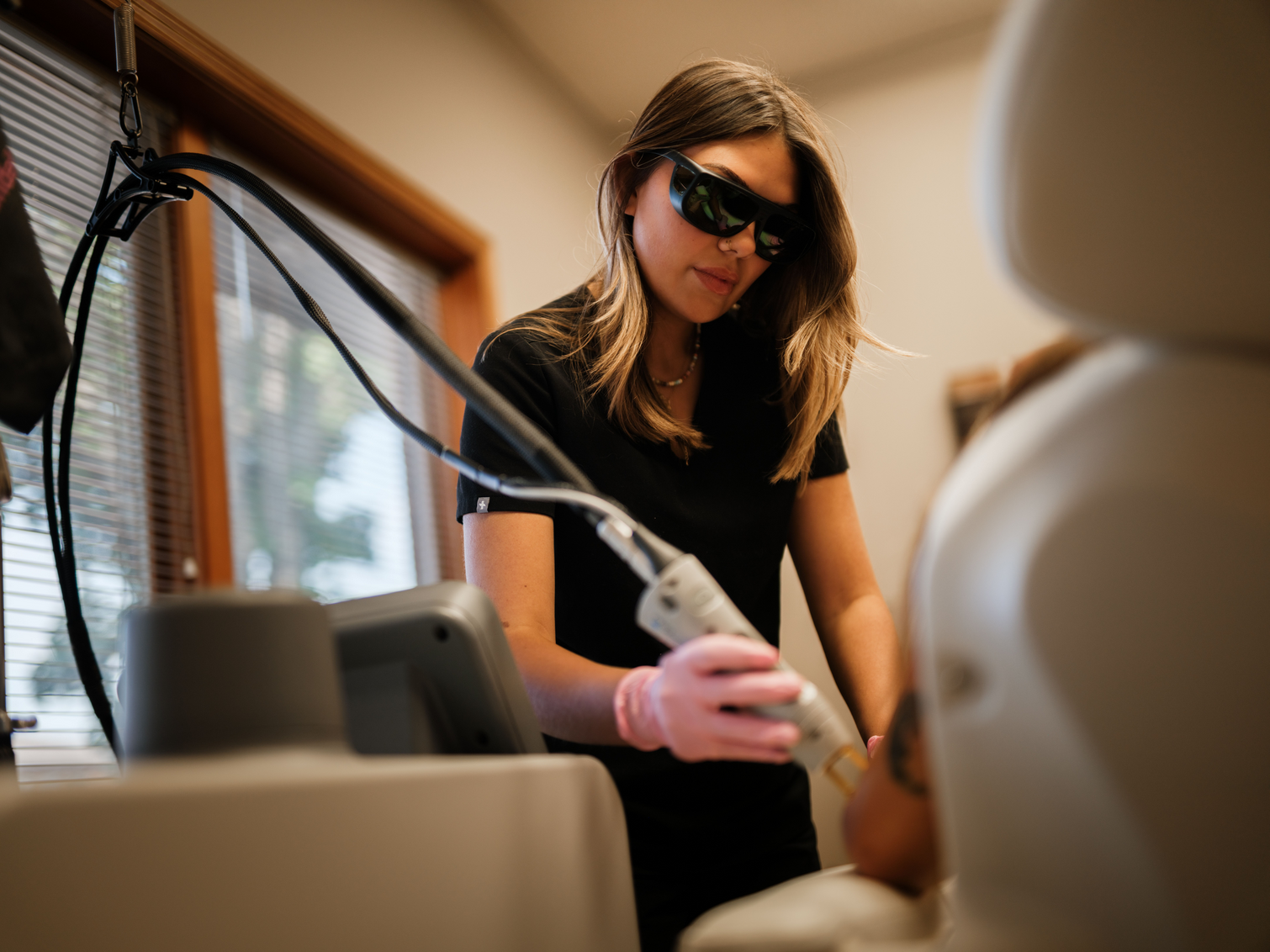
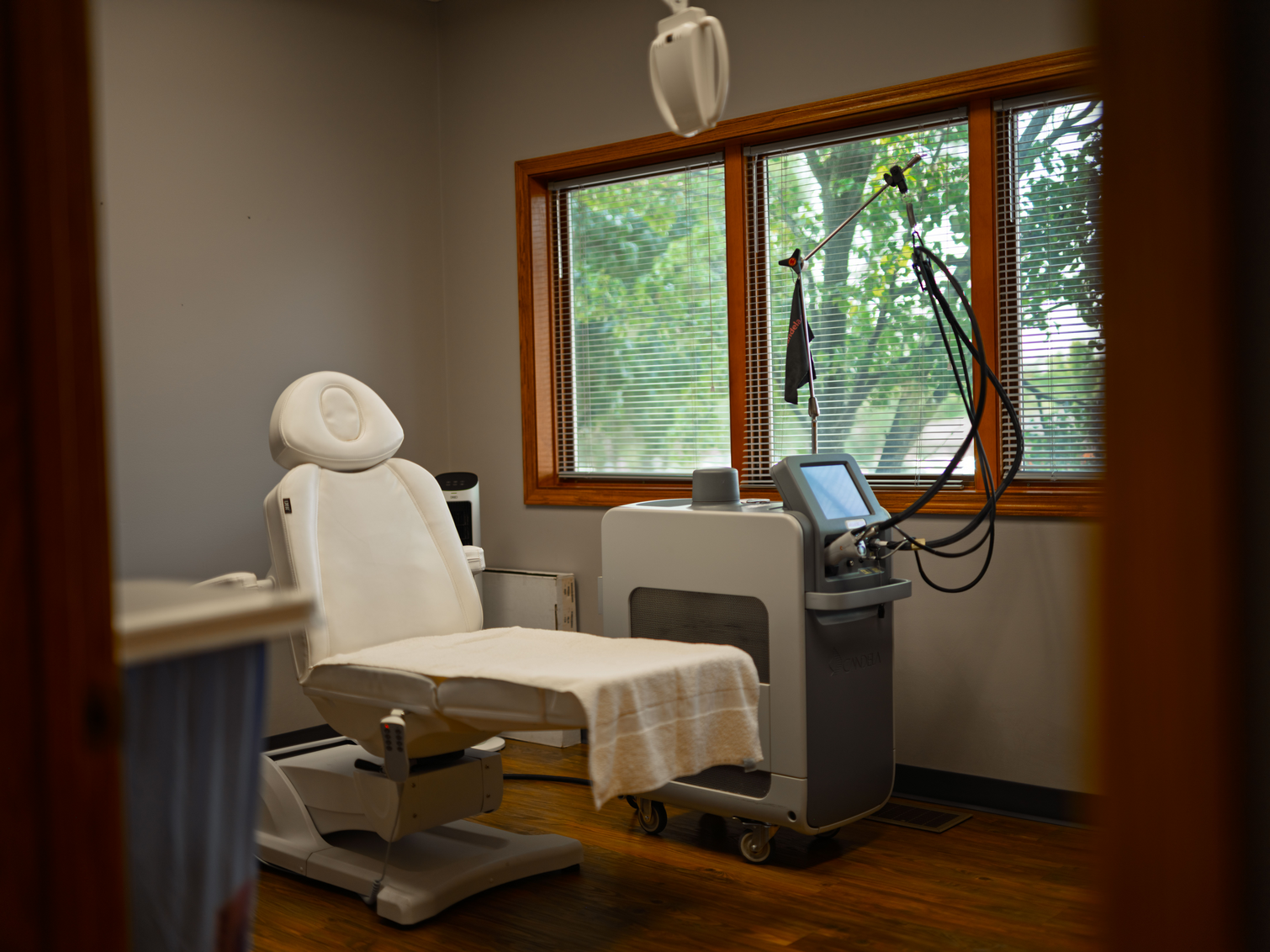
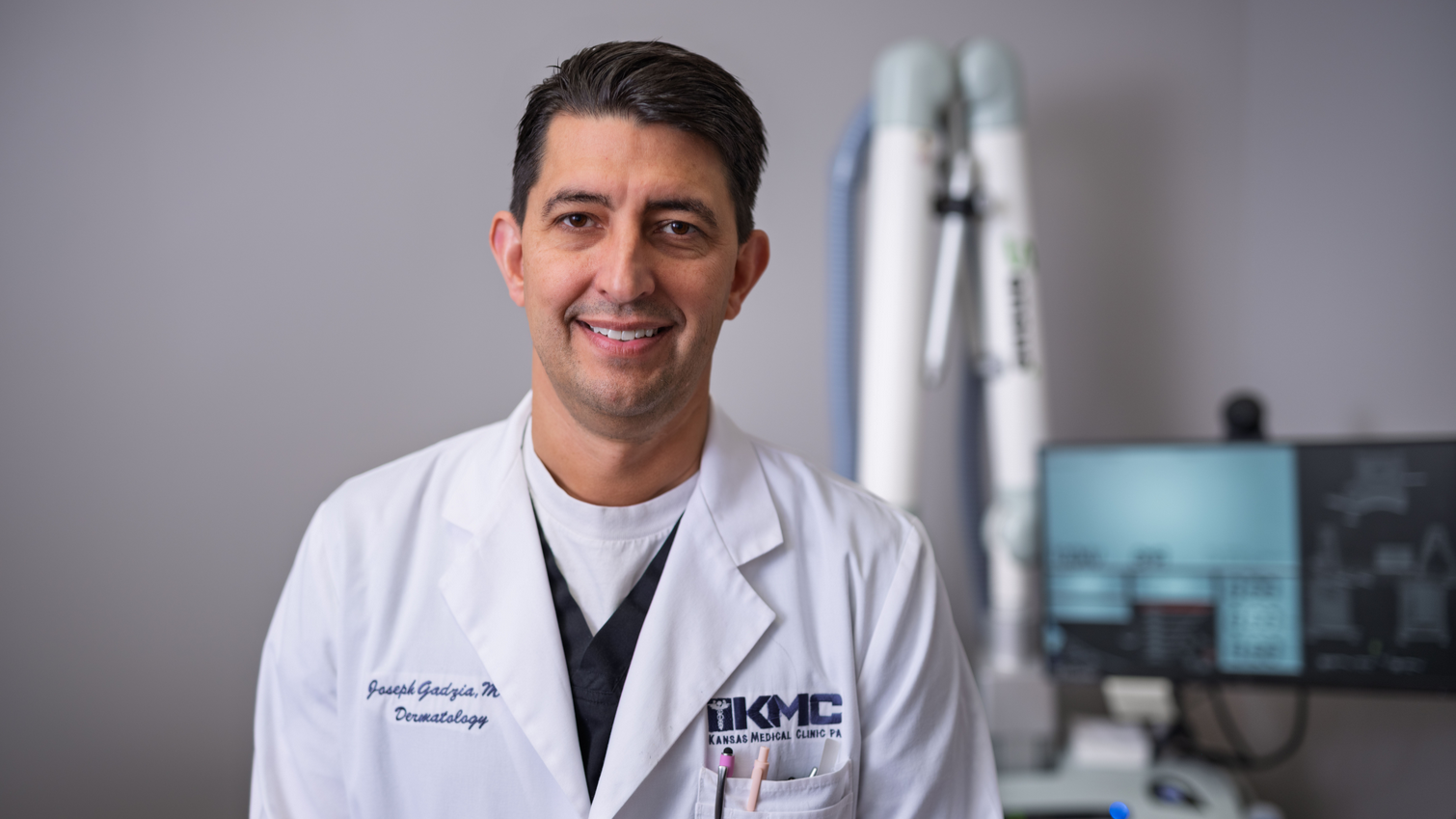
KMC also offers surgical services. Dr. Joseph Gadzia, a Mohs surgeon at KMC, has been performing Mohs micrographic surgery in Topeka for more than 20 years and says it is widely regarded as the best option for removing certain skin cancers. This procedure involves removing the visible tumor along with a very small margin of surrounding skin, then examining the tissue under a microscope in real time. If any cancer cells remain, the surgeon removes only the affected area.
According to Dr. Gadzia, the method delivers cure rates as high as 97 to 99% while also minimizing scarring, which is particularly important for cancers on the face or other cosmetically sensitive areas.
“Mohs surgery allows us to remove all of the cancer while preserving as much healthy tissue as possible,” Dr. Gadzia said. “It’s precise, effective and offers patients peace of mind.”
Mohs surgery is used for basal cell carcinoma and squamous cell carcinoma, although it can also be used for other, less common skin cancers. The procedure is typically completed in a single day, with patients waiting between stages while their tissue is analyzed. Once the cancer is fully removed, reconstruction of the site is done the same day.
Dr. Gadzia sees IG-SRT as an option for patients who cannot or prefer not to undergo surgery. The addition of image guidance and precise dosing distinguishes it from the radiation treatments of decades past. It also allows KMC to tailor therapy based on tumor characteristics, resulting in high cure rates and minimal side effects. For Topeka, which KMC says is one of their busiest offices, having both Mohs surgery and IG-SRT available ensures that more than one option is available for patients.
Providers at KMC explain diagnoses, discuss available treatment options, and review the benefits and potential side effects of each approach. KMC also leverages their online presence to share information about skin health, seasonal skincare tips and dermatology research.
KMC’s MedSpa operates within their dermatology clinics, offering cosmetic treatments alongside medical services.
“Dermatology and the MedSpa go hand-in-hand,” Dr. Challa said. “We wanted to get them all under one roof.”
For Topeka residents, having IG-SRT available locally eliminates the need to travel to larger metropolitan areas for specialized treatment. This benefits older patients or those needing multiple sessions.
As skin cancer rates rise, particularly among younger people, the need for early detection and treatment options continue to develop. IG-SRT provides another treatment option for KMC’s patients.