
A New Perspective On GI Care
By Chad Thomas Johnston
Photos By Brian Peters
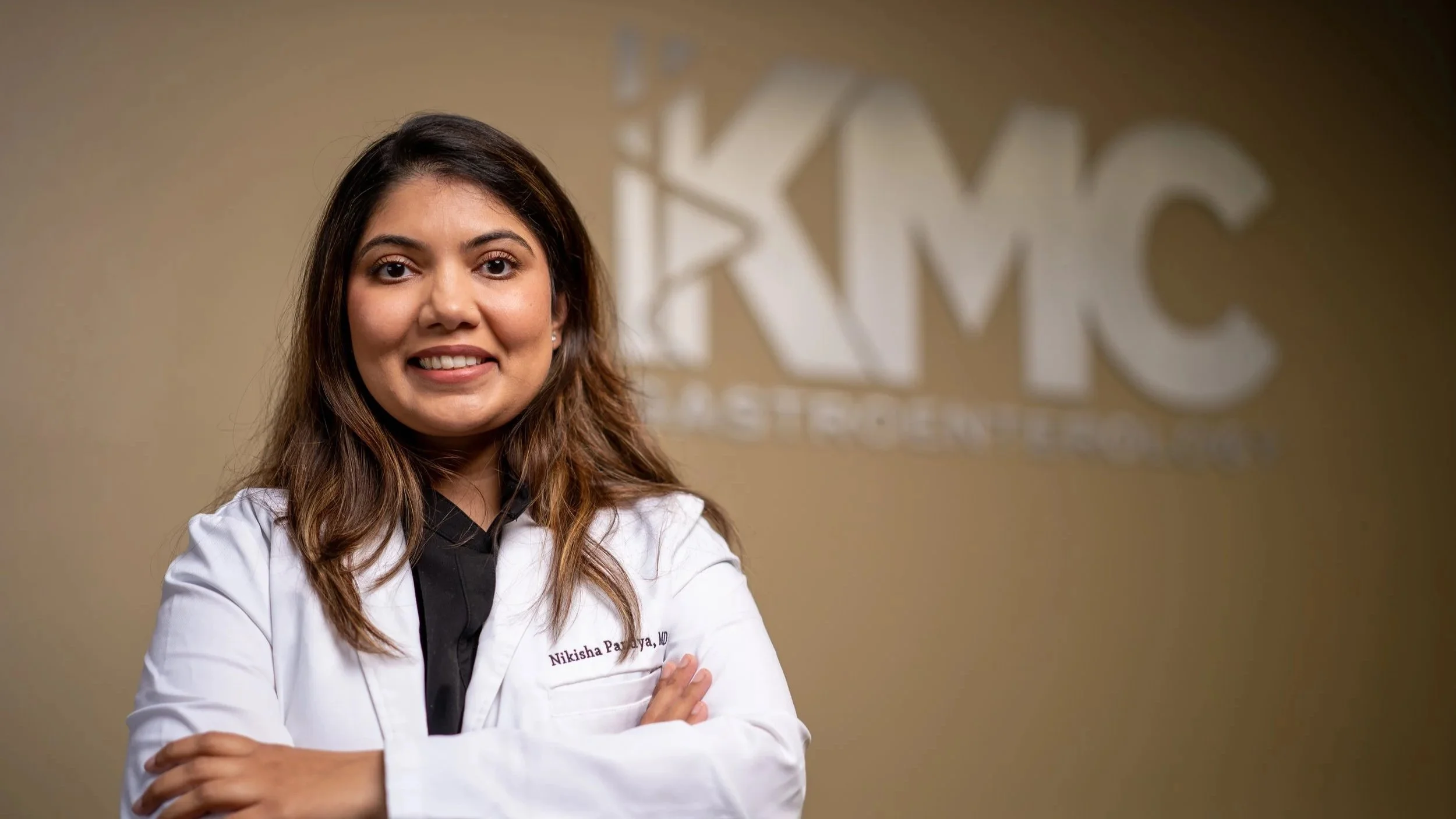
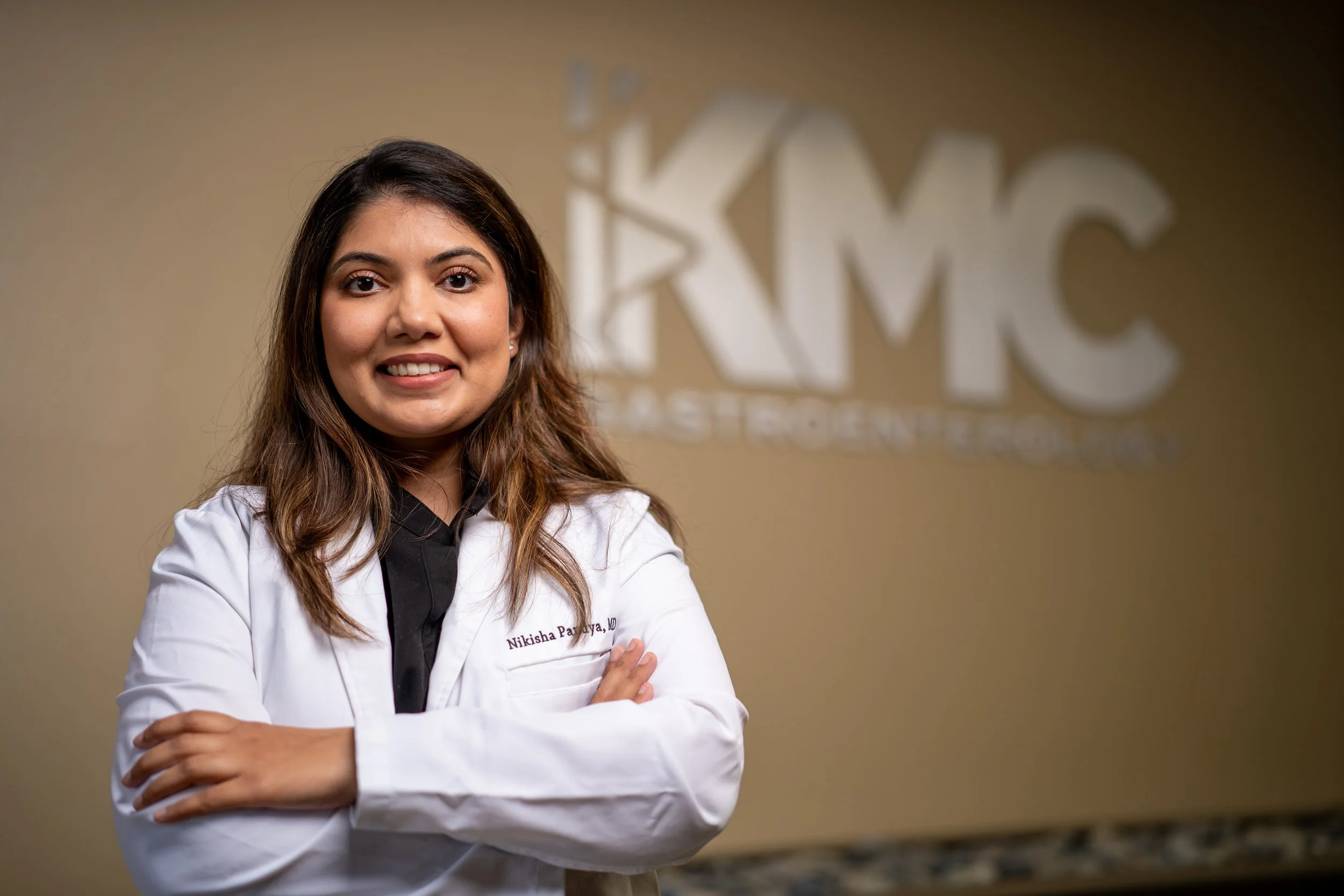
Before Dr. Nikisha Pandya joined the Gastroenterology and Endoscopy Center at Kansas Medical Clinic, or KMC, in August, she trained in Brooklyn, New York.
She first visited Topeka a few years ago when her husband interviewed for a job here.
“I immediately appreciated the slower pace of life and the greenery and parks,” she said.
Then she discovered KMC.
“The setup of the endoscopy center, the clinic and the robust APRN support aligned with the way I wanted to practice as a gastroenterologist,” she said. “To top it off, the fact that eligible patients can participate in research made KMC really appealing.”
Pandya completed her internal medicine training at Coney Island Hospital in Brooklyn nearly four decades after Dr. Shekhar Challa, president and CEO of KMC, finished the same program. Like her, he left New York for Kansas.
Their shared educational history caught Challa’s attention.
“When you train at a hospital or in a program in New York City, you see it all,” he said. “Hands-on training is so important and prepares you well for private practice.”
Challa also realized Pandya could fill a gap at KMC and in Topeka.
“We were often asked why there are no female gastroenterologists in Topeka,” he said.
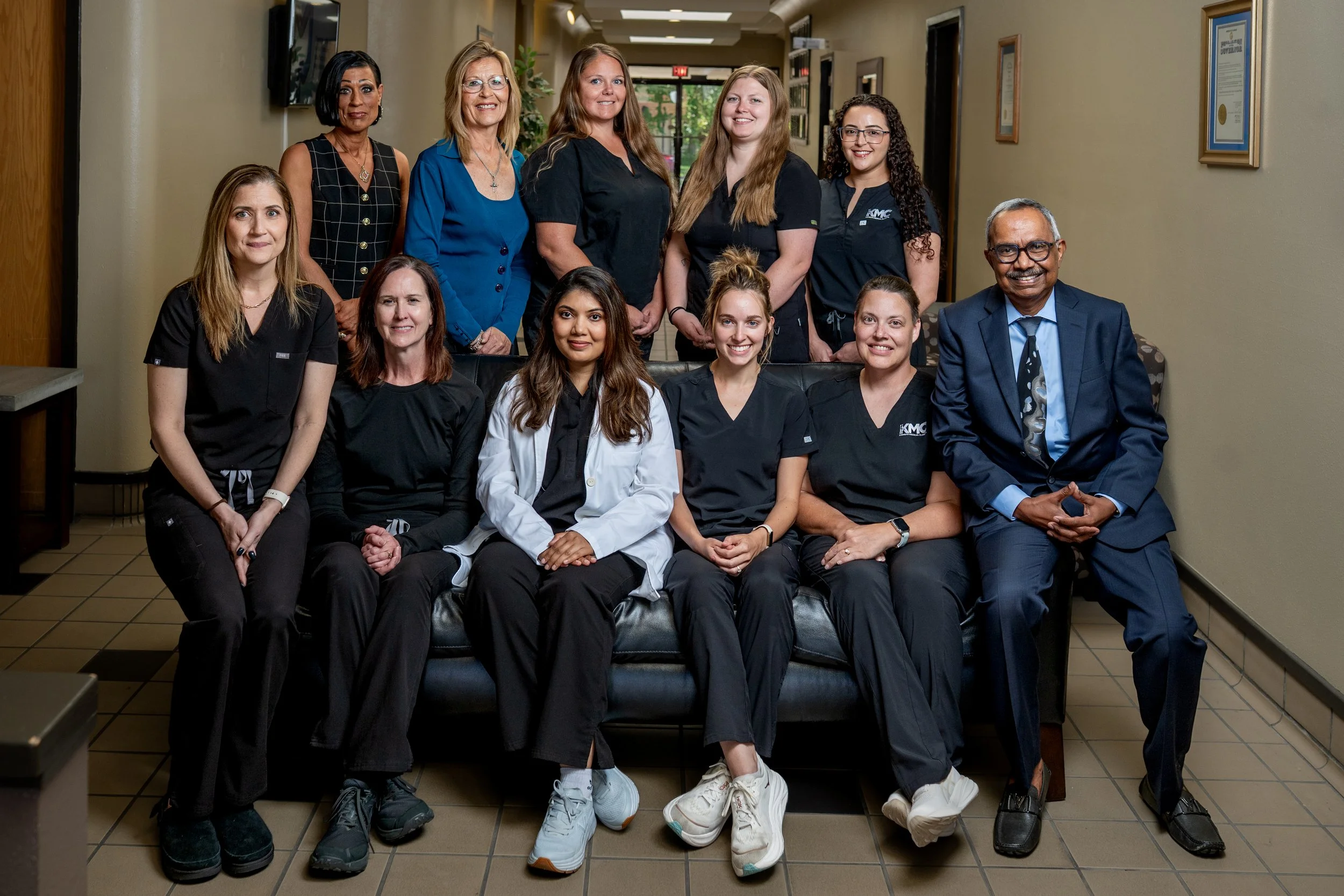
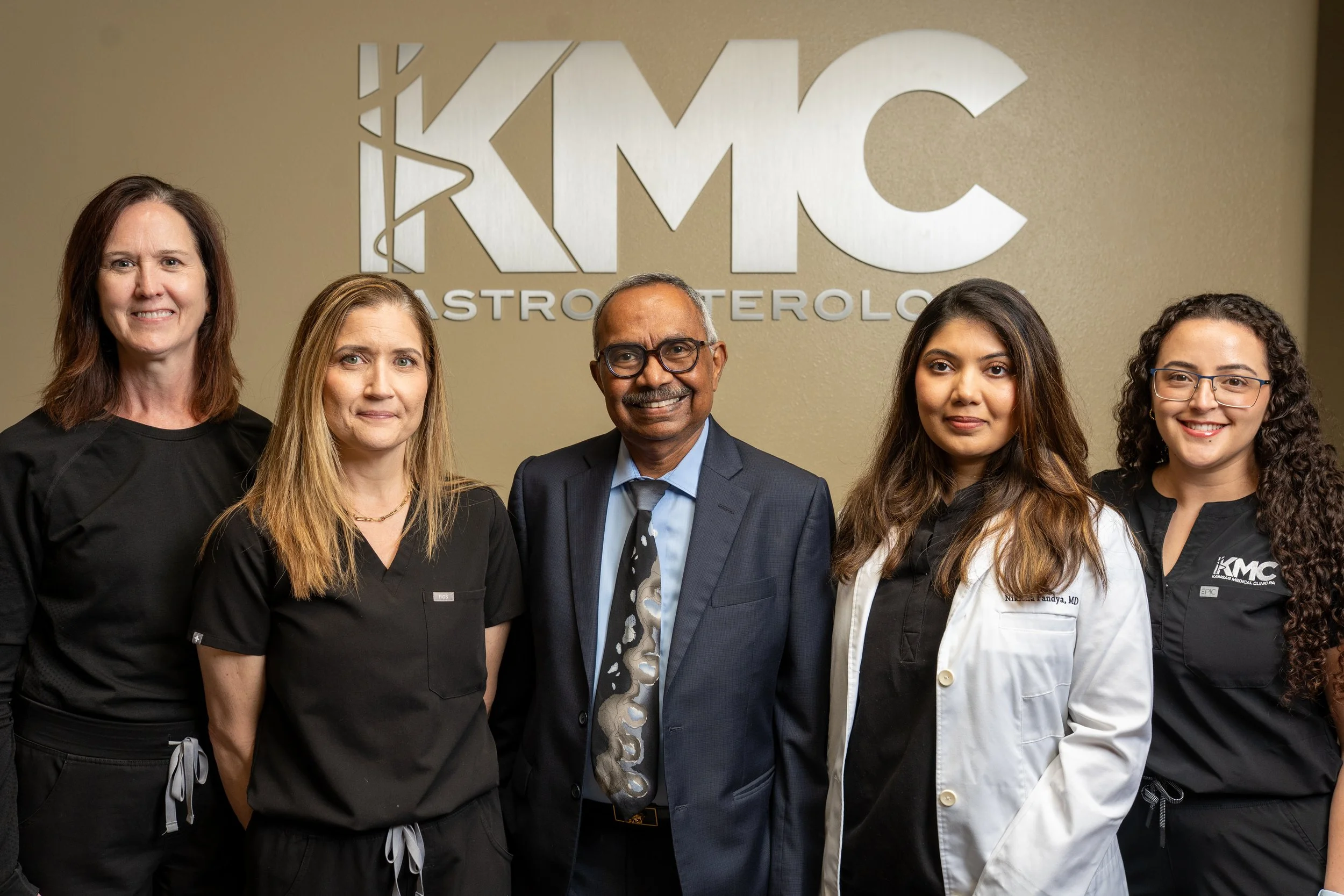
Today, the city’s only female gastroenterologist works at KMC’s Gastroenterology and Endoscopy Center at 2200 SW Sixth Ave.
“I hope we can reach out to more women who seek a female gastroenterologist for their colonoscopies,” Pandya said.
The American Cancer Society estimates that there will be 53,450 new cases of colon cancer and 21,240 new cases of rectal cancer in women in the United States in 2026, so screening matters.
“People think that if they don’t have any symptoms, they don’t need a colonoscopy,” she said, but this is not true. “A colonoscopy is a very low-risk procedure that has been proven to reduce colon cancer.”
Pandya’s presence at KMC may move the needle for any women who are on the fence about the procedure.
“The worst part of the colonoscopy is the preparation,” Challa said. “One has to have a full cleanout. Otherwise, we will not be able to see anything. It’s a painless procedure, and patients are under anesthesia during it, so they do not remember it afterward.”
In recent years, KMC Gastroenterology became the first in Kansas to use Medtronic’s GI Genius, an artificial intelligence system designed to detect colon polyps during colonoscopies. Challa says AI may someday help with “complicated procedures like taking large polyps without surgery.” This is a new frontier, and Pandya may have a front-row seat to its impact in her new role.
But colonoscopies are not the only gastrointestinal, or GI, service she provides at KMC.
“I also address common GI pathologies involving the esophagus, stomach, small intestine and colon by means of performing upper endoscopy, polypectomy, capsule endoscopy and push enteroscopy,” she said. “I am also broadening my expertise in newer modalities of hemorrhoidal treatments.”
Pandya joins a team of providers whose collective GI experience spans decades.
“The physicians, who include me, Dr. Richard Tay and now Dr. Pandya, have a combined experience of 70 years,” Challa said. “Our four nurse practitioners also have a combined experience of close to 70 years. That’s 140 years of experience in gastroenterology under one roof.”
KMC Gastroenterology and Endoscopy Center is more than just a clinic, however.
“To the best of my knowledge, there is no other practice in Topeka that provides the services KMC does all in one place,” Pandya said.
“The clinic, the surgery center and the research center are all in the same building,” Challa said.
In addition to the GI procedures Pandya performs at the Gastroenterology and Endoscopy Center, KMC offers many other procedures to test and treat GI, liver and pancreatic conditions.
These include the Bravo pH test, esophageal variceal banding, FibroScan, HALO ablation for Barrett’s esophagus, manometry, PEG tube placement and endoscopic retrograde cholangiopancreatography, or ERCP, which combines upper endoscopy and X-rays to address problems in the bile ducts, pancreatic ducts, gallbladder and liver.
The procedural dimension of gastroenterology is one of the main aspects of the work that appeals to Pandya.
“I always wanted to be in a specialty that involved hands-on procedures,” she said. “Gastroenterology is one of the few medical specialties that allows for patient care in multiple settings, including inpatient and outpatient. It is procedure-heavy work. This, in addition to the instant gratification that comes with removing polyps or colon lesions that could progress to malignancy, was very attractive to me.”
When she talks about what she hopes to see in the future of GI work, she talks about research.
“Obesity has become an epidemic, and we are seeing more patients with cirrhosis as a result of metabolic disorders,” she said. “Future research aimed at management of MASLD (metabolic dysfunction-associated steatotic liver disease) and cirrhosis with an emphasis on cardiovascular health will address these concerns and reduce the health care burden that comes with metabolic liver disease.”
KMC’s research center, which piqued Pandya’s interest when she first discovered KMC, is currently conducting several gastroenterological and hepatological studies.
“We believe that we are the largest liver-related study center in the region,” Challa said. “Currently, we are doing studies on MASH (metabolic dysfunction-associated steatohepatitis), alcoholic liver disease, cirrhosis and portal hypertension. We are getting ready to start a study on the effects of liver disease on the heart.”
The research center has also participated in pharmaceutical research related to gastroesophageal reflux disease, eosinophilic esophagitis, gastroparesis and the liver diseases listed above.
“I do not believe a community our size anywhere around here has such a well-organized research center that brings new drugs to the market for conditions with no available treatment,” Challa said.
For people with no known conditions who hope to protect their gastrointestinal health, Pandya and Challa have advice.
“Maintain a diet high in fiber and a healthy weight,” Pandya said.
Challa agrees about the fiber and adds, “Cutting down on red meat will also help.”
Then he pivots to a subject he is passionate about: probiotics.
“I have always said probiotics are the next vitamins. One should consider taking them routinely,” he said. He is the author of the book “Probiotics for Dummies.”
With so many different facets of KMC to experience as a newcomer, Pandya’s favorite part of her job is not any particular procedure or area of GI care.
She says it’s “walking into the day not knowing how it will turn out. It always keeps me on my toes!”