

The Fire Within: Leadership That Warms Without Burning

Every leader I work with has a fire.
It shows up as initiative, creativity and the willingness to solve problems before they become someone else’s. In business, that fire builds companies and communities. It launches products, keeps clients loyal and helps teams push through uncertainty.
But fire has two personalities. One gives light and warmth. The other quietly consumes the house.
As a coach and facilitator, I draw on two frameworks, the Kansas Leadership Center model and the Leadership Circle Profile, to help leaders recognize the difference. Both shape how I work with executives and business owners today, but I understood their meaning most clearly through a story I never planned to live.
THE DAY THE METAPHOR BECAME REAL
On July 13, 2023, our house caught fire.
Everyone was safe. When we arrived, firefighters had already knocked down the flames, and from the outside the damage looked manageable: a burned garage door and some siding.
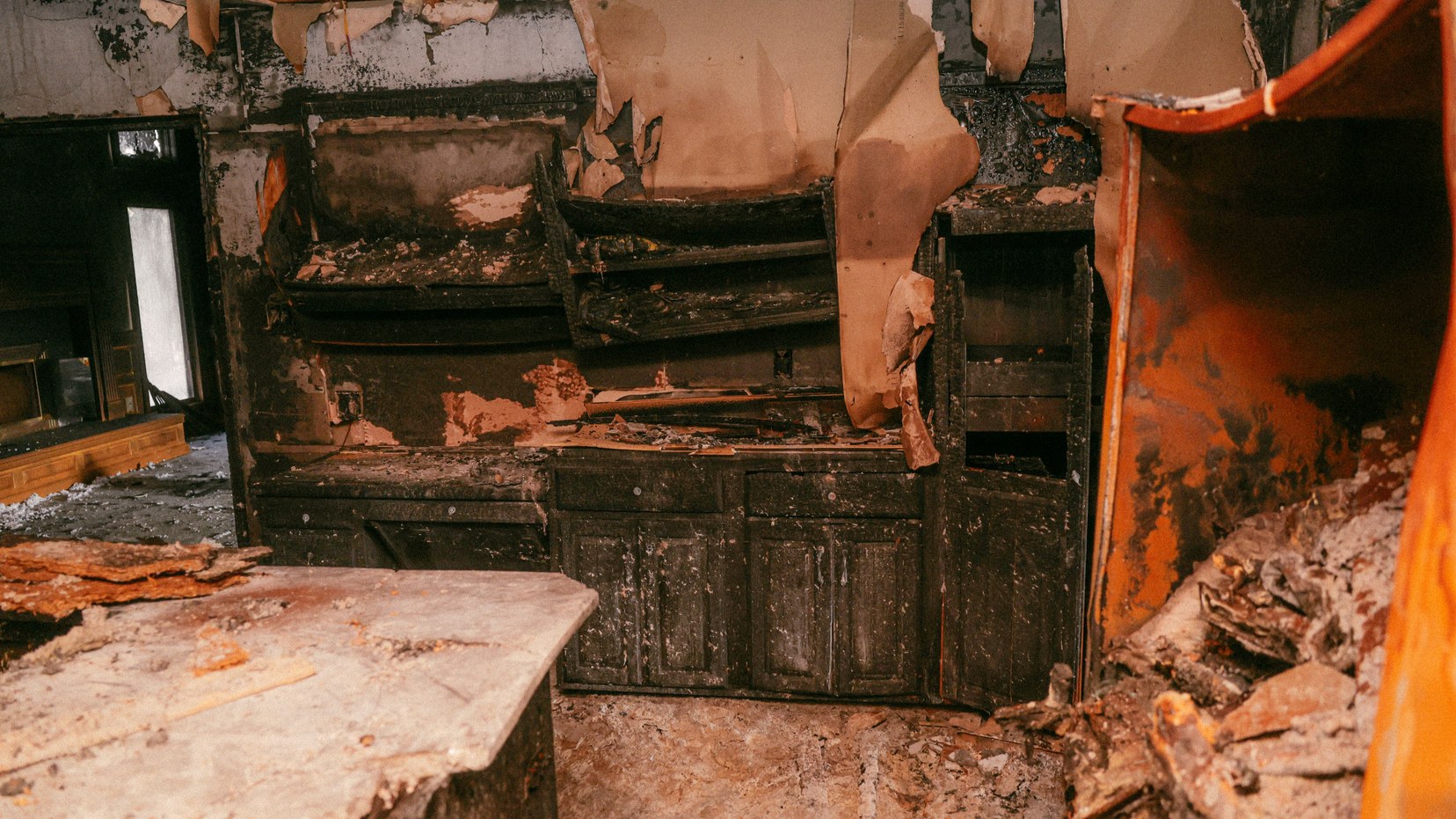
Inside was another world. Flames destroyed the areas they touched, and soot settled into rooms the fire never reached. Closets at the far end of the house looked as if it had snowed charcoal.
Over the next several days, I started to see the house differently. It felt familiar.
So many of us look the same. Steady on the outside, maybe tired eyes or a sharper tone in a conversation. Inside, the damage is more raw and real. It is hidden, but present, leaving its mark on parts of life we try to keep far from the fire.
LEADERSHIP IS MOBILIZING, NOT CARRYING
The Kansas Leadership Center (KLC) describes leadership as the work of mobilizing people to make progress on complex, adaptive challenges. That idea reframes everything.
Leadership is not absorbing all pressure so others can stay comfortable.
It is not proving commitment through personal sacrifice.
It is not turning yourself into the furnace for the organization.
Adaptive challenges, things like culture, growth and innovation, require people to learn and change, not simply follow instructions. When we treat those challenges as technical problems, we respond with more control, more hours and more heat. The organization gets hotter, not healthier.
One KLC competency, diagnose situation, provides a compass: understand the nature of the challenge, test competing views and identify who must do the work. Leadership happens when progress becomes a shared responsibility rather than a personal burden.
THE ROOM YOU DON’T SEE
For days after the blaze, I kept walking through the house. At first the damage shocked me. Then, frighteningly fast, it started to seem normal.
People and organizations do the same.
We normalize the missed dinners, the weekends that disappear and the constant hum of urgency. We tell ourselves it is temporary, necessary, the price of growth. Meanwhile the ashes and soot spread into relationships, decision-making and culture.
I have sat with business owners who admitted they no longer remember what they enjoy. I have coached executives who cannot tell the difference between ambition and anxiety. They look fine on the outside. The damage is inside.
CREATIVE AND REACTIVE LEADERSHIP
The Leadership Circle Profile gives language to that tension. It describes two ways of leading:
Creative: Purpose driven, connected and sustainable.
Reactive: Protective habits such as over-control, pleasing and proving through productivity.
Reactive patterns are not weaknesses. They are early success strategies that once helped us win. The problem is that complexity eventually outgrows those tools.
Many of us built careers on being the person who could just get it done. That muscle earns promotions, but later it becomes the ceiling. Leadership is learning when the room needs light instead of heat.
WHAT THE FIRE TAUGHT ME
The literal fire revealed truths years of leadership books never reached.
First, I was not alone. Neighbors supported us. Friends showed up. My husband carried decisions when I had nothing left. Fellow business owners aligned with us to find a path forward. Leadership requires others — not as backup plans, but as co-owners of the work.
Second, pace matters. I had been proud of running hot. The fire showed me what constant intensity leaves behind. Now I teach pace as a strategic advantage.
Third, resilience is honest, not heroic. In organizations, the turning point rarely looks like a bold speech. More often it is a leader pausing before reacting, inviting dissent or saying, “Let’s sleep on this.” KLC teaches the practice of recognizing triggers, experimenting beyond comfort and staying present in uncertainty. It may not look dramatic, but it keeps the blaze from spreading. The result is not less momentum, but better momentum.
FROM CARRYING TO MOBILIZING
The most effective leaders I coach are the ones who:
Pause to ask whether a challenge is technical or adaptive.
Give the work back instead of rescuing every problem.
Engage others honestly, even when change involves loss.
This approach does not reduce ambition. It multiplies capacity. Teams grow stronger when one person stops trying to be the entire heat source.
YOUR FIRE
Your fire is beautiful. It was never meant to burn alone. Its purpose is to stay steady so others can find their way, light their own fire and together create something transformational.