


Midland Care | A Prescription For Independence
By Jen Leclair
Photos by Addison Vest
Dr. Erin Locke, Midland Care’s PACE medical director, recalls what the team discovered when they looked into why. As the team at Midland Care worked to understand his concerns, they learned he wasn’t anxious about the procedure itself. He was worried about his dog.
The team partnered with local organizations to ensure the dog could receive necessary vaccinations and be safely boarded. They rescheduled the procedure, arranged transportation and sent someone with the participant for support.
Today, the participant is doing well and still has his dog.
Midland Care has provided hospice, home health and other care services in the Topeka area for decades. While the nonprofit is perhaps best known for hospice care, its services have expanded to include palliative care, home health, primary care, Meals on Wheels and the Program of All-Inclusive Care for the Elderly, or PACE.
“Midland Care has always believed that every person deserves compassionate, individualized care that honors who they are and what matters most to them,” said Shawn Sullivan, president and CEO of Midland Care. “Through PACE and our other services, we have the opportunity to meet people where they are, support their independence and help them remain connected to the homes, families and communities they love.”
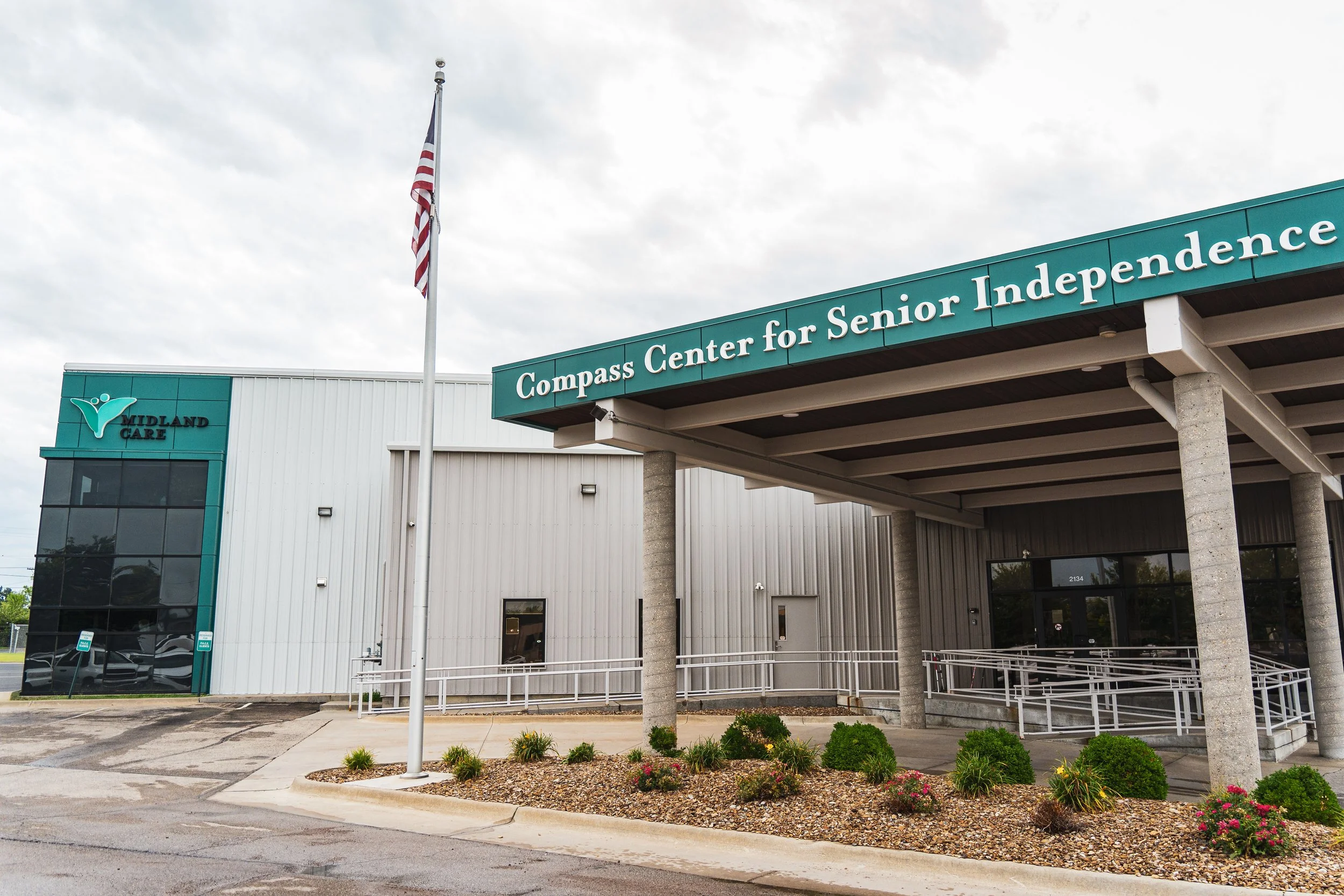
PACE is Midland Care’s largest service line, with centers in Topeka, Lawrence, Kansas City, Olathe and Emporia. The program helps eligible adults age 55 and older receive support while remaining in their homes and communities.
For many older adults, home is more than a place to live. It is where memories were made, routines were established and independence was earned over a lifetime. It is also where many people hope to remain as they grow older.
Aging at home can become complicated, though. Managing chronic conditions, medications, medical appointments, transportation and everyday tasks can place tremendous pressure on older adults and the family members who care for them.
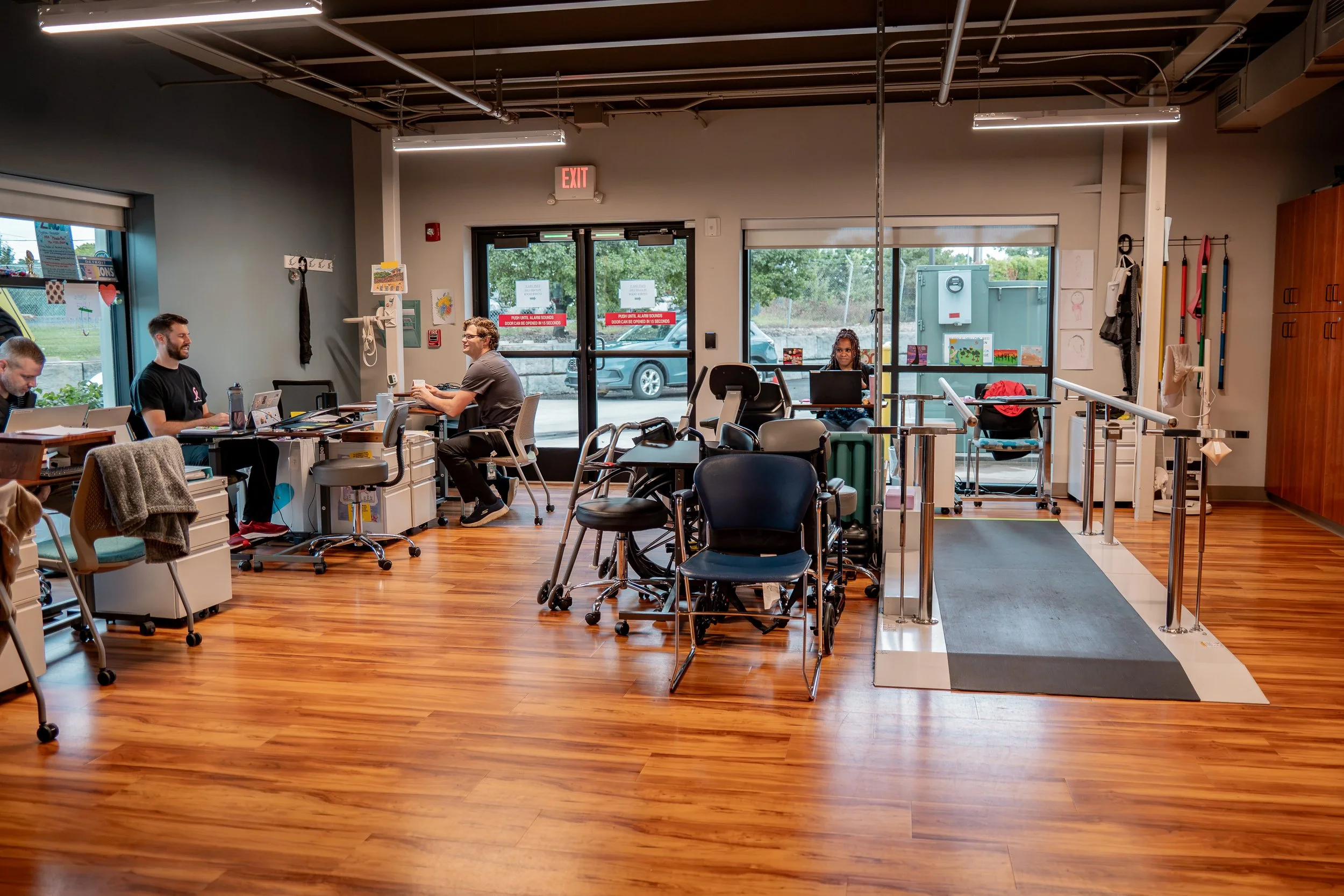
PACE is designed to ease that pressure by bringing together all aspects of patient care in one coordinated model. Jeremy Wiltz, Midland Care’s chief strategy officer, describes the program as a “wraparound approach” to health care. PACE participants receive personalized care plans that may include physician visits, physical and occupational therapy, assistance at home, medications, medical equipment, specialty services and transportation. No two plans look exactly alike because no two participants have the same needs.
“With PACE, our entire team is working together to understand what a participant needs,” Jeremy said. “If someone is discharged from the hospital, we can get them into the clinic within 24 to 48 hours, and if they need therapy, we can begin addressing that right away. We are not waiting for the next appointment or asking the participant and their family to connect all the pieces themselves. We are bringing the care together, supporting the participant and their family.”
In a traditional health care setting, an older adult may see a primary care provider, several specialists and other medical professionals, each working with only part of the patient’s health history. Participants may be responsible for remembering recommendations, managing medications and trying to understand how one treatment affects another.
For Dr. Locke, the difference is significant.
“In traditional medicine, I may not even review the specialist note until they come back to see me in the office,” she said. “In our setting, we are responsible for all of the referrals that we send out, all of those visits, and we get those notes back right away.”


PREVENTING A CRISIS
PACE leadership says its care model is designed to catch problems early, before they turn into a crisis. PACE operates under a value-based model focused on managing participants’ overall health and wellness. The structure encourages the team to address problems early, prevent avoidable complications and focus resources on solutions that can improve quality of life.
Jeremy shares an example of an older adult whose broken window air conditioner left her overheated and dehydrated during the summer. Without intervention, the situation could have escalated into repeat ambulance rides and hospitalization, followed by a return home to the same unresolved problem. According to Jeremy, PACE addressed both the immediate health concern and its underlying cause, providing medical care and air conditioner repair to restore a safe, comfortable home environment.
The same philosophy applies to home modifications, such as installing grab bars, improving accessibility, or providing equipment that helps participants move safely through their homes.
“Our team embraces problem solving,” said Lea Chaffee, Midland Care’s chief operating officer. “It’s how we determine the best way to make necessary improvements or modifications to a patient’s home.”
As participants receive more support, family caregivers’ responsibilities, such as managing medications or arranging appointments, often decrease as well.
MANY PERSPECTIVES, ONE PURPOSE
Every morning, the PACE team gathers to discuss the needs of participants. The meetings bring together professionals with different expertise, including providers, nurses, therapists, social workers, home care staff and others. They review new concerns, hospitalizations, discharge plans and challenges that may require a coordinated response.
Each member of the team contributes knowledge and perspective. A physician may identify a medical concern, while a therapist offers insight into mobility. A social worker may understand challenges at home, and a transportation driver may notice a change in a participant’s routine or well-being.
Heath Rath, executive director of PACE, recalls a participant living with dementia who appeared to have experienced a significant decline. The team completed a thorough medication review and discovered she had been prescribed numerous medications by different providers.
The PACE team carefully adjusted her medications and, within weeks, the woman, who had previously been largely nonverbal, began communicating again.
The transformation came from coordination and a careful medication review, not a miracle.
LIVING LIFE ON YOUR TERMS
Patient-centered care, the organization’s leaders say, begins with a simple question: What does this person need to live the life they want?
For Dr. Locke, the concept of aging with dignity is personal and different for every individual. Participants often enter the program while managing chronic disease, adjusting to the changes that accompany aging or experiencing the effects of caregiver burnout.
PACE aims to reduce the challenges they face while supporting their personal goals. For participants, that may mean becoming stronger through therapy, safely remaining in a longtime home, reconnecting with friends or simply having the confidence that help is available when it is needed.
“PACE feels like a safe haven in this very big, very impersonal health care system,” Dr. Locke said.