
Creating a Collaborative Community
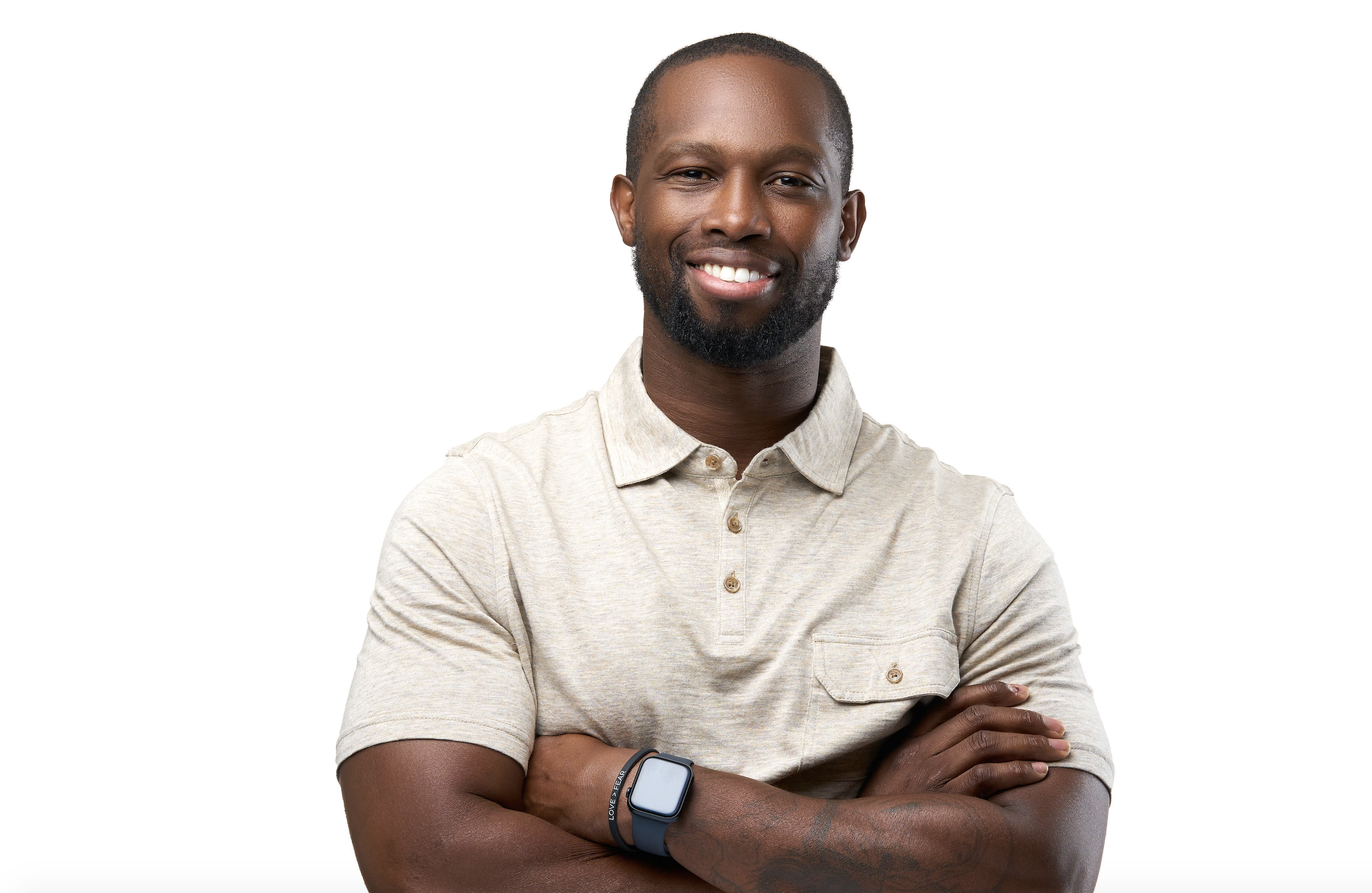
Expert Advice by Michael Odupitan, CEO & President Omni Circle
To establish a collaborative community, I truly believe we must start at the root. I’ve learned in the last three years that collaborative communities need collaborative leaders who know how to work with others and align their shared purpose for the advancement of projects, organizations, communities and society. These individuals must have strong skills in connecting people, attracting diverse talent and modeling collaboration as a core value.
CONNECTORS
In Malcolm Gladwell’s best- selling book, The Tipping Point, he describes how Paul Revere’s influence on the community was a result of his “connection” to different social groups. The influence of Rosa Parks for the civil rights movement wasn’t solely because she refused to give up her seat, but it was her connection to the community that rallied the people. Connectors are significant not only because of the number of people they know but, more importantly, because of their ability to link people, ideas and resources that wouldn’t normally bump into one another.
DIVERSE TEAMS
Once we identify our connectors and establish our collaborative leaders, it is important to develop diverse teams. Research has proven that diverse teams produce better results when led by the proper collaborative leader.
Teams that include individuals from diverse backgrounds, cultures and generations, offer different perspectives that extend reach into the community and allows them to build a space that is inclusive to everyone. Diversity means bringing people together who wouldn’t normally work together because of their experience or lack of. I find it difficult to develop solutions alone to issues that I have not personally experienced. To build a great collaborative community we need individuals who are either knowledgeable of the issues and/or those who have experienced the concerns.
COLLABORATIVE LEADERS
It is not enough for collaborative leaders to build diverse teams and attract the best talent. They must embody collaboration at their core and set the tone by being a model for the team and the community to follow. A leader must assess and evaluate their values to improve their awareness emotionally because being a part of a collaborative community means you may work with other leaders you do not align with.
We must learn that the work we do is not about us, but instead, is for the communities we serve. As leaders, if we are not able to put egos aside when building community, we create tall silos with even thicker walls. A strong collaborative leader is one who has also developed their social intelligence to build the teams and communities that work together. People will follow and support you if they are confident that you are doing your best.
Persuading people to contribute their time and effort to partnerships with people they do not know (or people they may not necessarily like) to solve important problems takes time. The development of common purpose for a collaborative community can be a long, complex process but when we figure it out, there are tremendous benefits.
As our connectors build teams and our teams develop a shared vision, our organizations and communities become breeding grounds for creation. People support what they help create.
TK