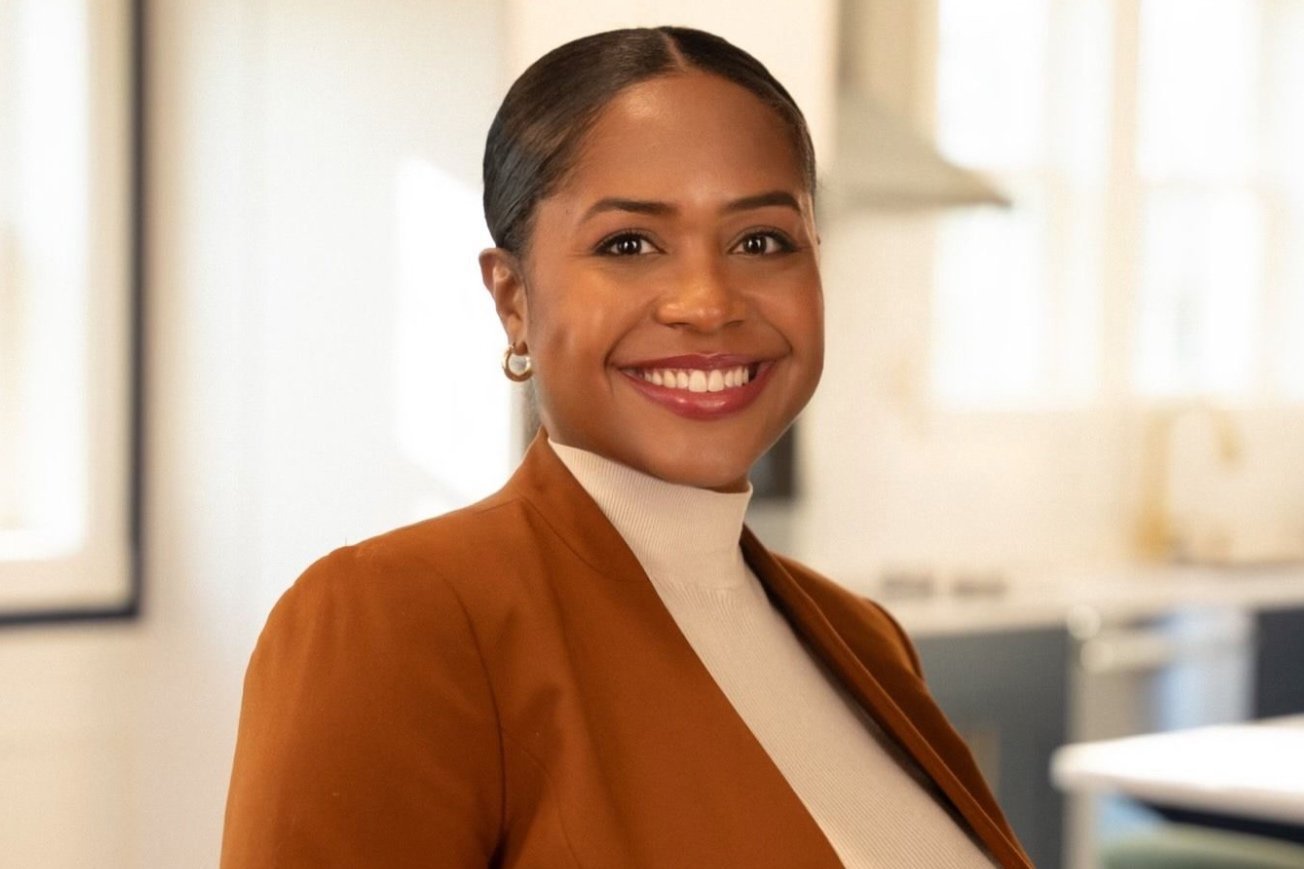


Nicki Flanagan | The HR Playbook
SVP and Chief HR Officer | BCBS of Kansas

What strategies have been most effective in shaping a strong workplace culture?
I’ve always believed workplace culture is a shared responsibility. Every employee contributes to it through their actions, behaviors and mindset. That said, HR plays a critical role as the guardian of that culture, ensuring it remains strong, consistent and aligned with our values as the organization evolves.
One of the most effective ways we’ve shaped and sustained our culture is by truly living our values, not just stating them. It’s essential we walk the walk, not just talk the talk. Our core values aren’t simply statements on a wall, they’re embedded in how we make decisions, interact with one another and show up for our members and communities every day.
To further reinforce this, we recently introduced a set of core competencies that complement our values. These competencies help clarify the key behaviors expected at every level of the organization. They serve as a roadmap.
Open and transparent communication has also been a cornerstone of our culture. Our CEO’s weekly messages — ranging from strategic updates to personal reflections and insigts on current events — foster a deep sense of connection and trust. It’s a simple, consistent practice that helps employees feel seen, informed and aligned. His personal meet-and-greets with every new hire reinforce that we’re all part of one unified team, regardless of role or level.
Lastly, we’ve been intentional about creating a “family-first” environment. We recognize people bring their whole selves to work and that life outside of work matters. Through enhanced family-first benefits, flexibility and a culture of empathy, we’ve built an environment where employees know they are valued not just for what they do, but for who they are.
Ultimately, it’s the combination of clear values, consistent behaviors, transparent communication and genuine care that creates a culture people believe in and want to be part of.
How do you ensure culture remains consistent as the company grows or changes?
Culture naturally evolves as a company grows and experiences transformations, but that doesn’t mean everything has to change. The key is knowing what to carry forward and what to let go. We’re currently in the midst of a major transformation, so this question is very real and timely for us.
We’re being intentional about honoring our past — what’s worked, what’s shaped us — while also acknowledging that what got us here may not get us where we need to go. Modernizing doesn’t mean abandoning our identity; it means refining it to stay relevant and effective. That balance is essential.
One of the most important anchors in times of change is a strong, clear vision. Employees want to know where we’re headed, why the change is necessary and how their individual work contributes to that bigger picture. I truly believe everyone wants to add value. It’s our responsibility to provide the blueprint that shows them how they fit into the future.
Communication plays a huge role here. While executive alignment is critical, we know most employees want to hear from their direct supervisor. That’s why we put an emphasis on ensuring our front-line managers and supervisors are informed, aligned and equipped to lead their teams through change. If they’re clear on the path, they can help galvanize others around it and maintain consistency in how our culture shows up day to day.
Culture doesn’t stay strong by accident. It requires guidance, intentionality, clarity and care as the organization grows and evolves.
Click Here to go back to The HR Playbook Real Strategies for Strong Company Culture