
More Than A Haircut | Precision Studios Barbershop & Barber Academy
By JENNIFER LECLAIR | Photos by BRIAN PETERS

Barbering is one of the oldest trades in human history, dating back thousands of years. In the United States, barbershops have long served as community gathering places where people not only go to get a haircut, but to share and connect.
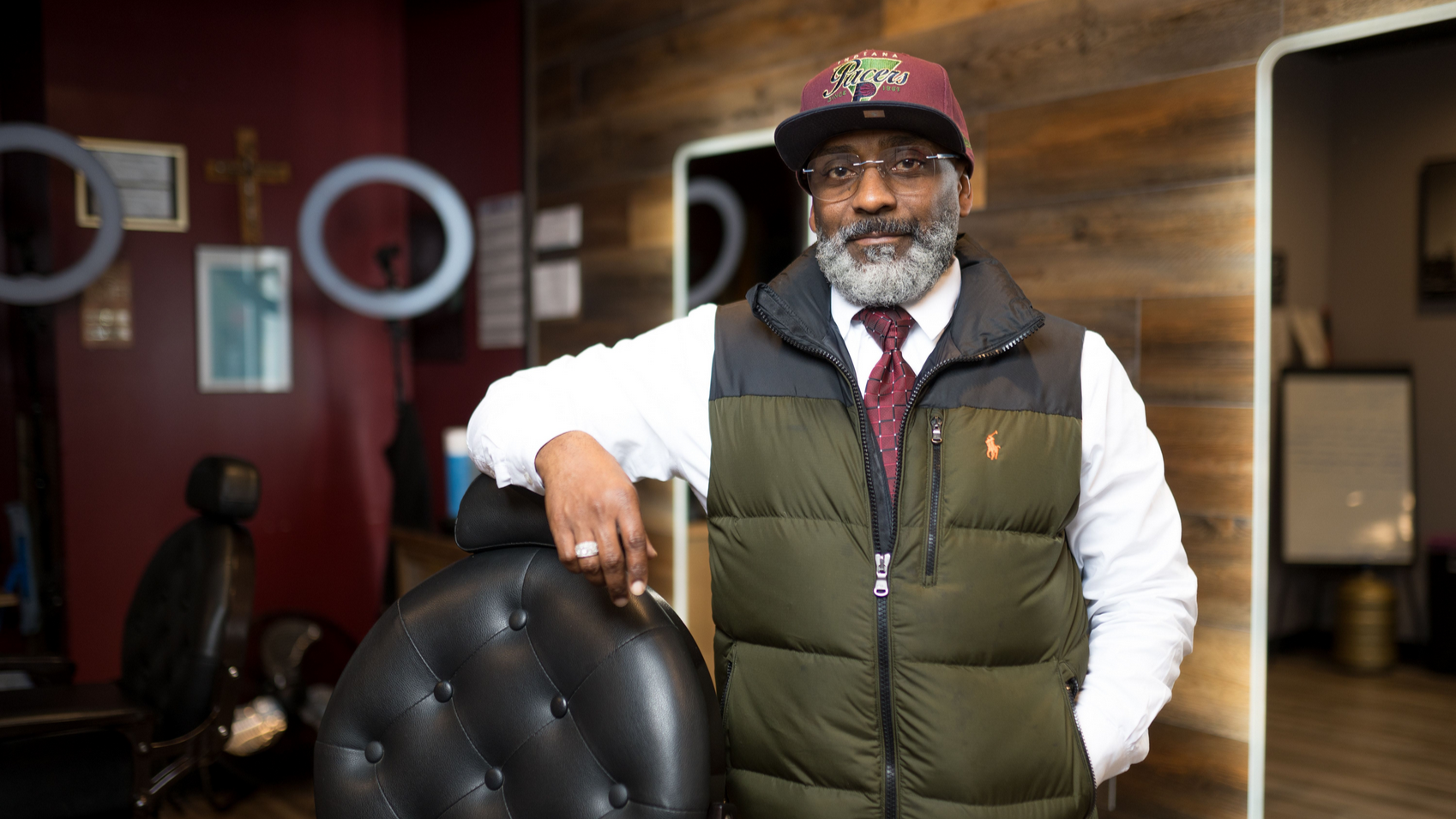
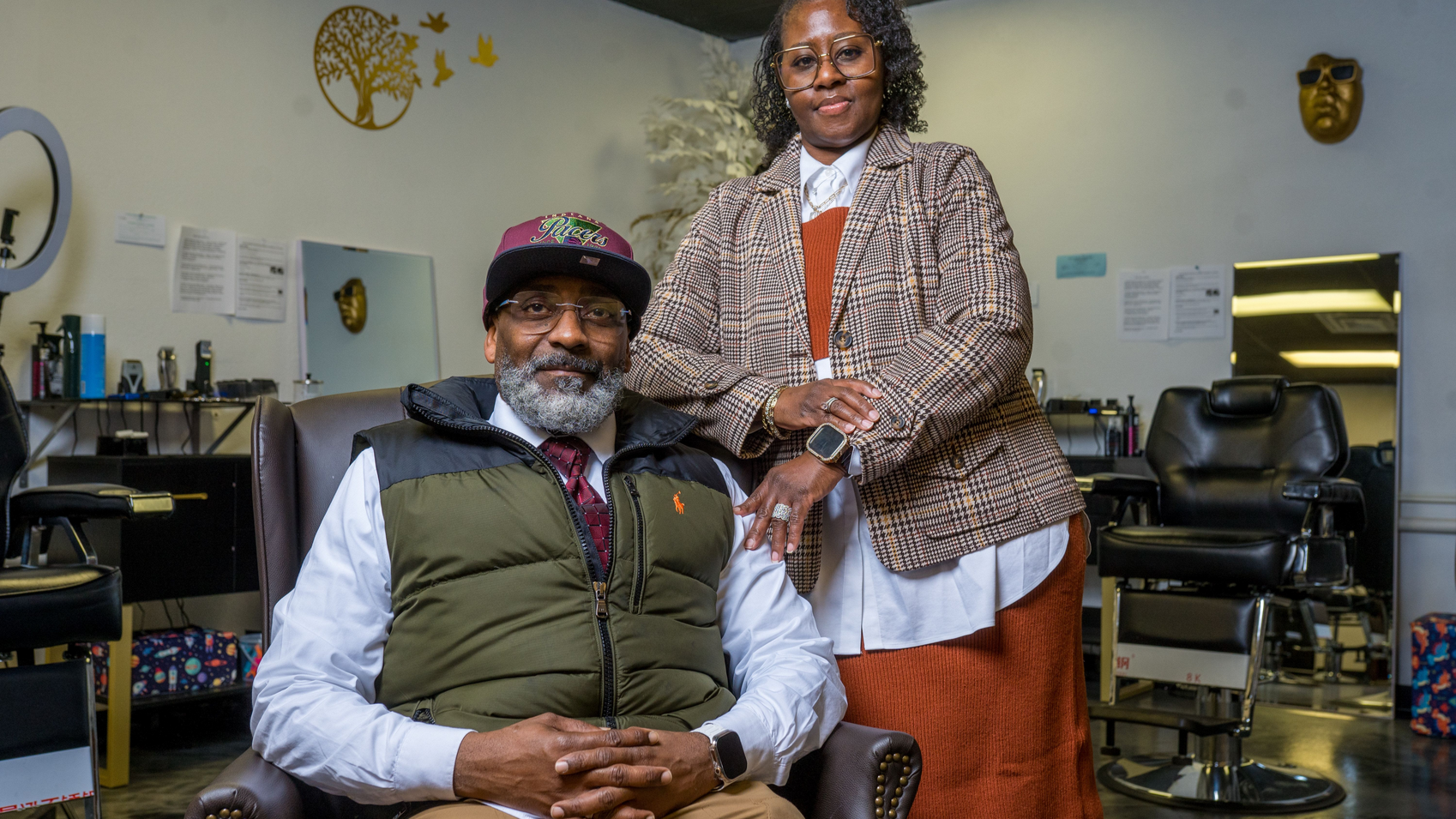
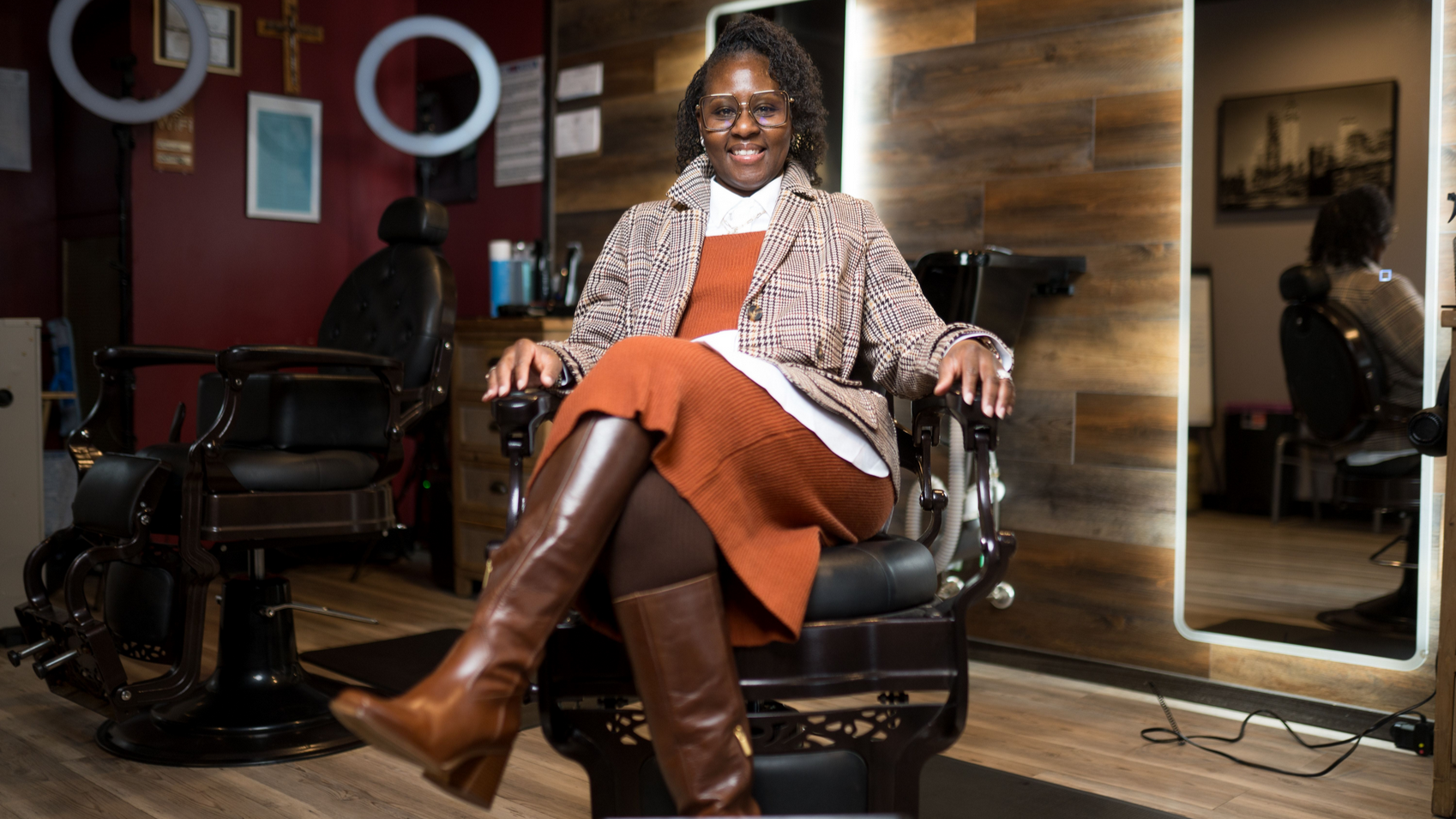
In Topeka, barbershop and barber academy Precision Studios, founded by entrepreneur Rashaan Carter, is keeping the ancient tradition alive.
A CUT ABOVE
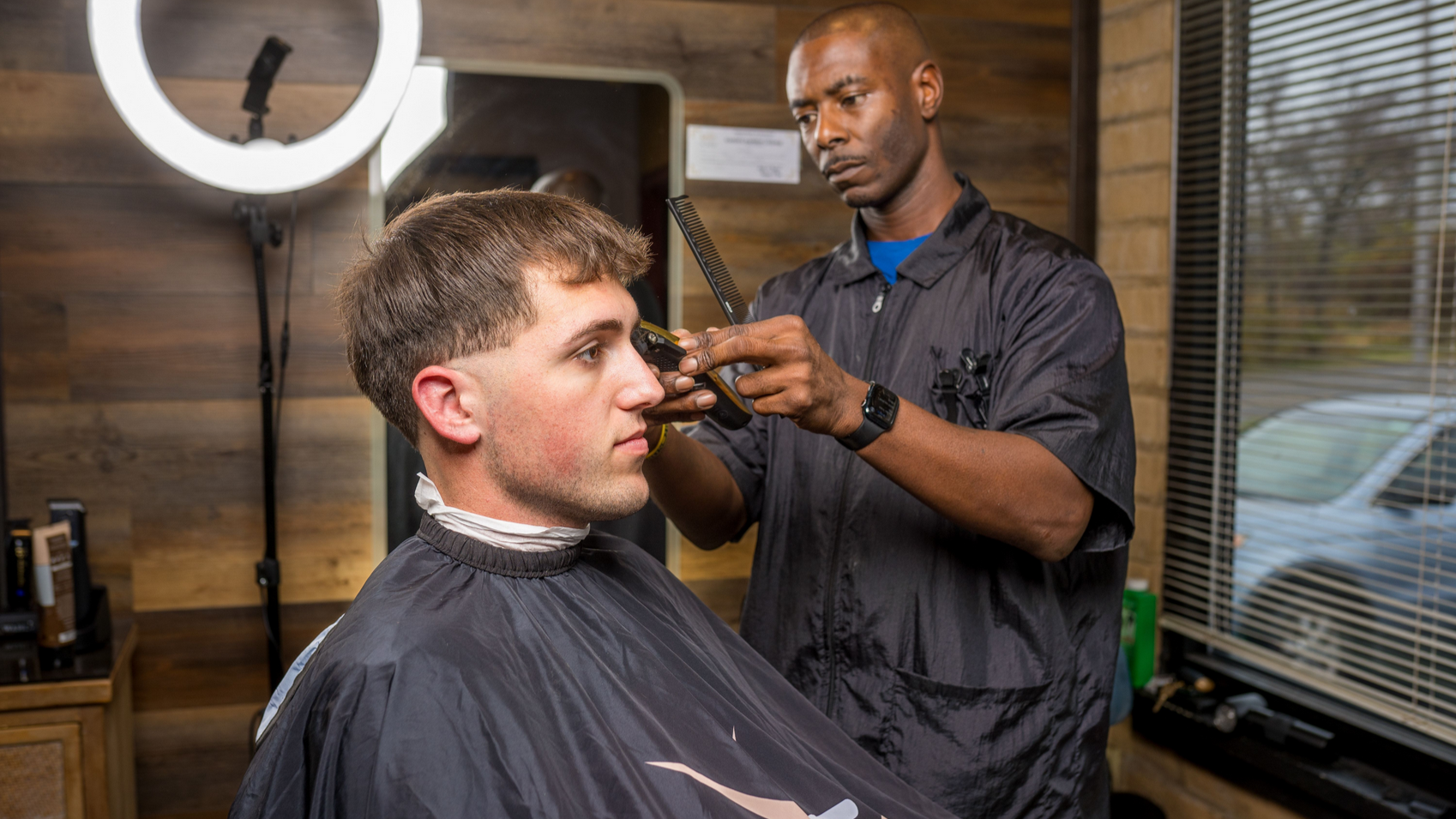
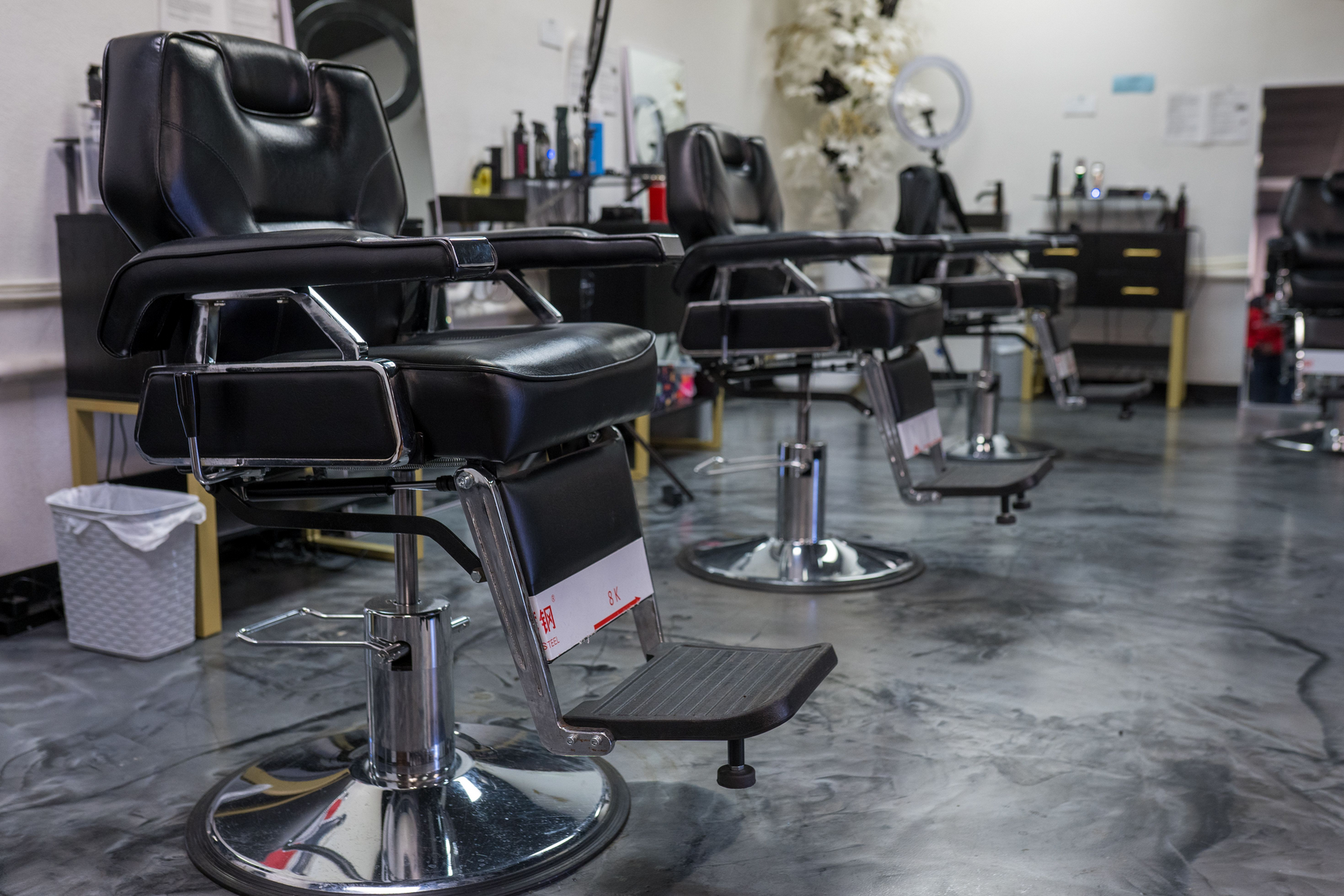
Precision Studios is known for the energy in its bustling barbershop and for being the home of Precision Studios Barber Academy.
“The field is necessary,” Rashaan said. “It’s growing, and it’s one of the easiest trades to pick up and actually make a decent living from. You can set your own hours. You can build your clientele. But it takes discipline.”
Discipline, he adds, is where many aspiring barbers struggle. Freedom without structure can be a trap.
“If you only work when you want to work, then your income will reflect that,” Rashaan said. “It’s the best of both worlds, but it depends on your mindset.”
From his perspective, barbering is one of the most accessible paths to owning a business. That’s also why he built the school: to teach students both the technical and business sides of barbering, something he says traditional barber colleges don’t always do well.
“When I got out of barber college years ago, I was like a fish out of water,” Rashaan said. “I didn’t understand budgeting, overhead or how to operate as an entrepreneur. And so many people fail because they never learned that practical side.”
Precision Studios Barber Academy aims for 100% job placement for its graduates. Rashaan says he not only teaches students, but also hires and mentors them.
“The goal is to employ those who want to stay, who have the desire,” he said. “It’s to help people become entrepreneurs.”
BUILT BY HAND
Starting the academy came with more challenges than Rashaan anticipated.
High costs can often shut people out of barbering and other trade schools. Without immediate access to federal financial aid programs like FAFSA or the GI Bill, Rashaan needed to find creative ways to make barber education more affordable.“
Schools around me were charging $20,000 to $40,000 a year,” he said. “I wanted to be different. I wanted people to afford the program. So, I set tuition at $15,000.”
But lower tuition had its own hurdles. With a two-year waiting period before federal aid eligibility, the financial burden fell squarely on Rashaan’s shoulders.
“My shop kept the doors open,” he said. “I worked from my chair from seven to ten in the morning, taught class until two and then went back to cutting hair until six. It’s been a ride.”
Some early students enrolled for whatever they could afford. Others found help through Kansas Vocational Rehabilitation, particularly students with documented mental health challenges. Rashaan calls it a blessing that kept the academy alive during its hardest days.
Physically building the school was even more intense.
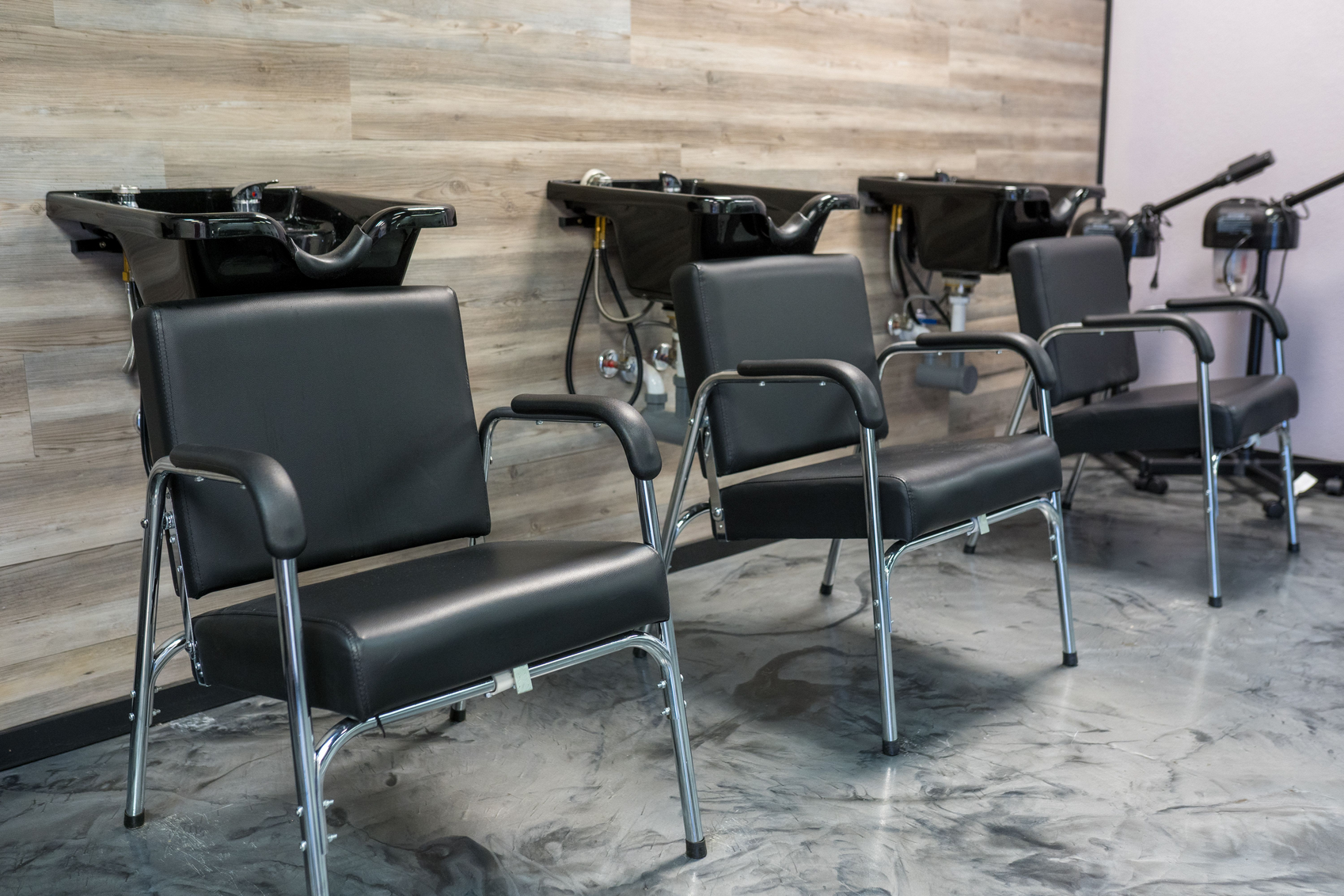
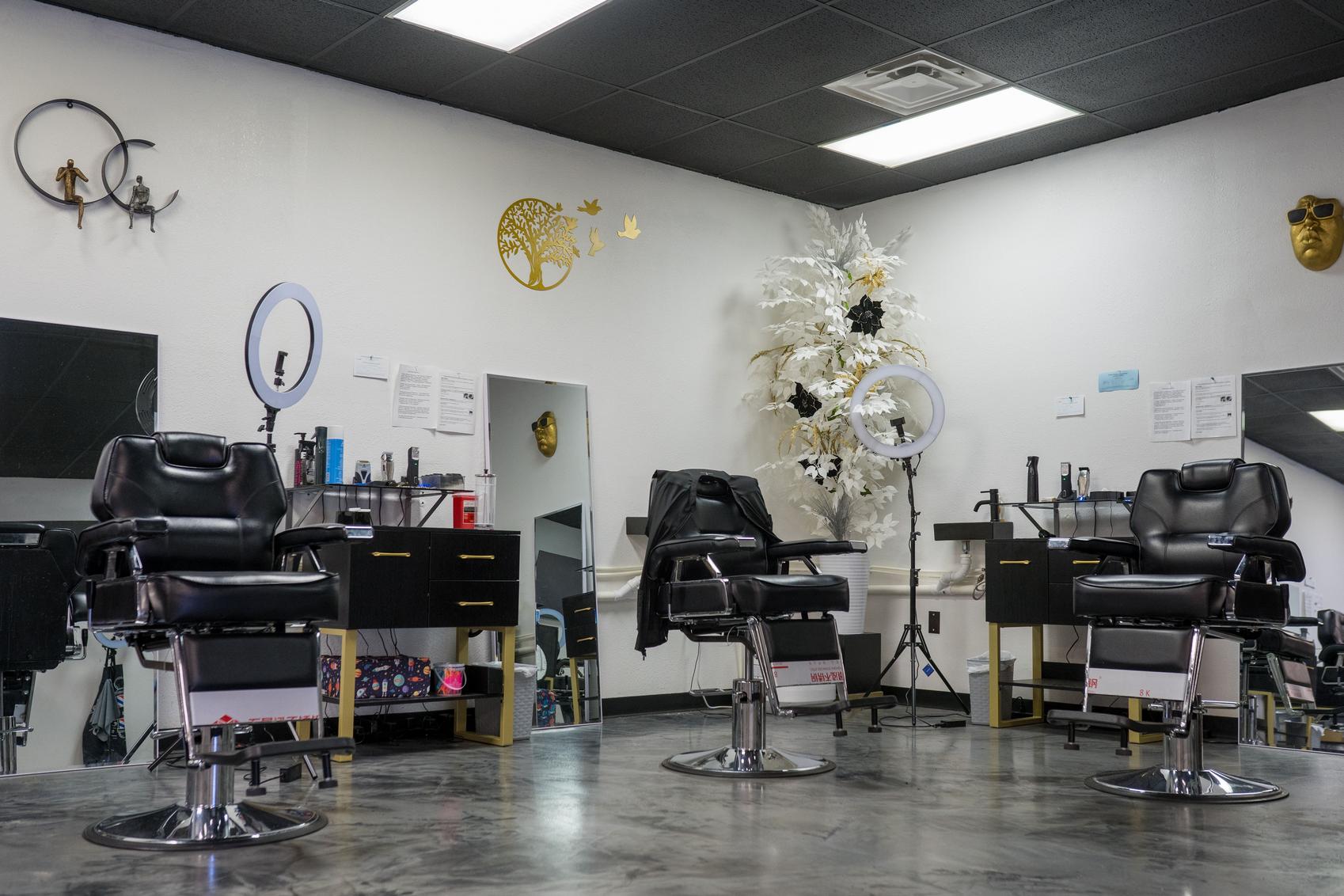
“Everything you see, I did with my own two hands,” he said. “Outside of plumbing and electrical, I built it myself. One piece at a time.”
His students saw the sweat, dust, trial and error he put into building the school. That, Rashaan says, became one of the most valuable lessons he could teach: how to build something from nothing.
FROM THE CHAIR
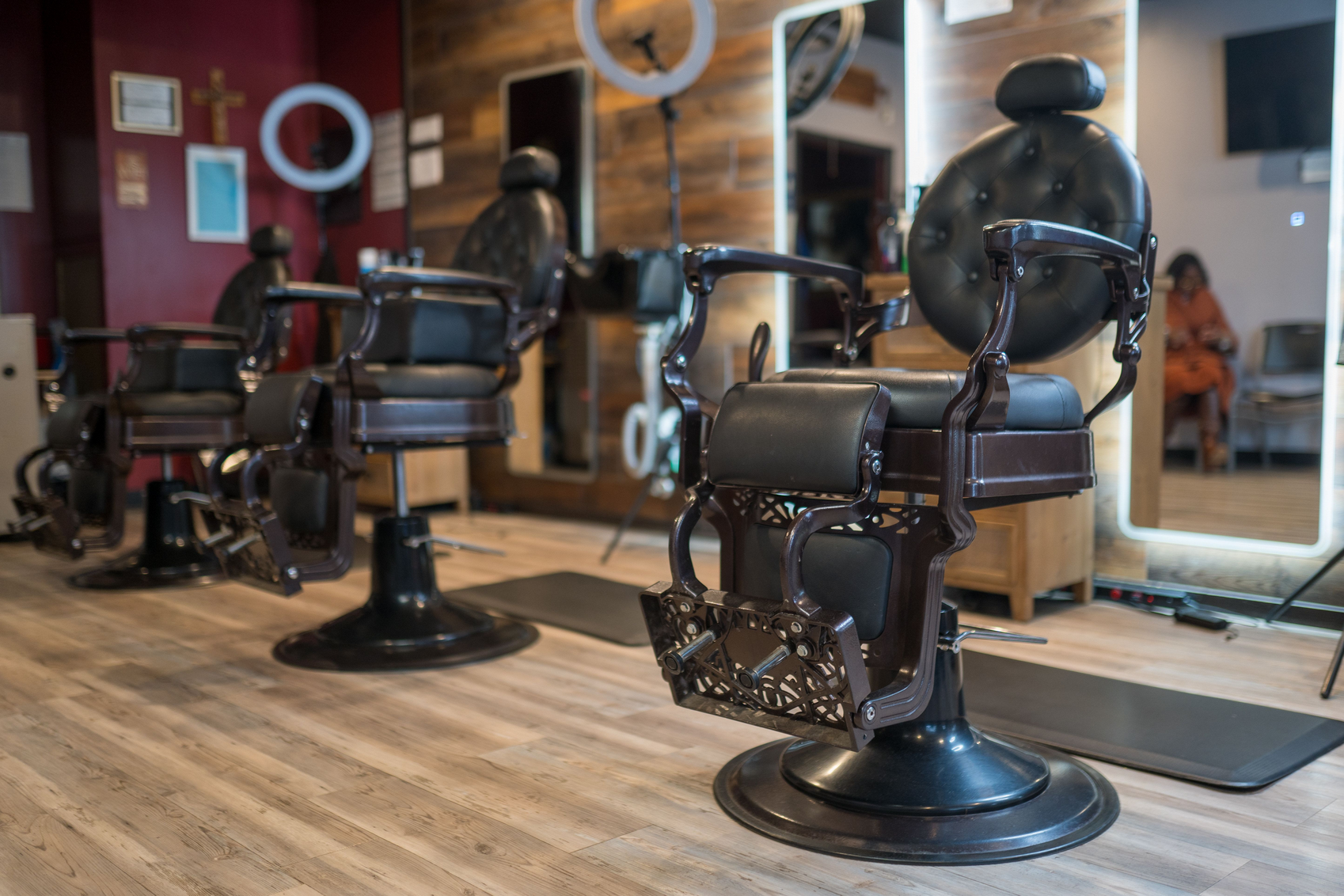
Even a century ago, barbershops were places where people discussed politics, shared wisdom, made friends and passed down life lessons.
“Barbering has always been part of culture,” Rashaan said. “People don’t just come in for a haircut. They come to breathe. They come to let go of whatever they’re carrying.”
People arrive quiet, stressed or weighed down by life. They walk out lighter, and not just because of the fresh cut.
“I listen,” he said. “Fifteen years of cutting hair has taught me when to speak and when to say nothing. Not everything deserves a response. Sometimes people just need to hear themselves.”
In the lobby of the academy sits a whiteboard where Rashaan writes weekly inspirational messages.
“People came in looking for it,” he said. “Something on that board might give them exactly what they need that day.”
Before he built the academy, Rashaan took ownership of Acapulco Barbershop, a longtime Topeka business.
He needed to decide whether to keep the name. Older customers who remembered the shop might feel displaced if the name changed suddenly. So Rashaan waited.
“We stayed true to Acapulco,” he said. “We kept the name for business purposes, out of respect. People needed to see they could trust us.”
Only after he’d established relationships, and made a few renovations, did the Precision Studios rebrand feel right.
“We’ve seen all walks of life,” Rashaan said. “Every generation, every culture. And they all find a home here.”
Precision Studios serves clients of all generations, he adds, from locals to visitors as far as Hawaii, Albania and Asia.
A MISSION AGAINST POVERTY
“This is business,” Rashaan said, “but it’s personal, too. It’s a personal attack against poverty.”
He sees barbering as a tool for economic mobility, especially for people who didn’t succeed in traditional education or who struggle with mental health, financial hardship or life instability.
In addition to teaching students how to cut hair, the academy also teaches budgeting, scheduling, resilience and professional discipline.
“Faith,” he said, “is doing the thing without having any evidence it’s going to work.