
Built For What's Next: Washburn Tech University
By Kim Gronniger
Photos by Brian Peters
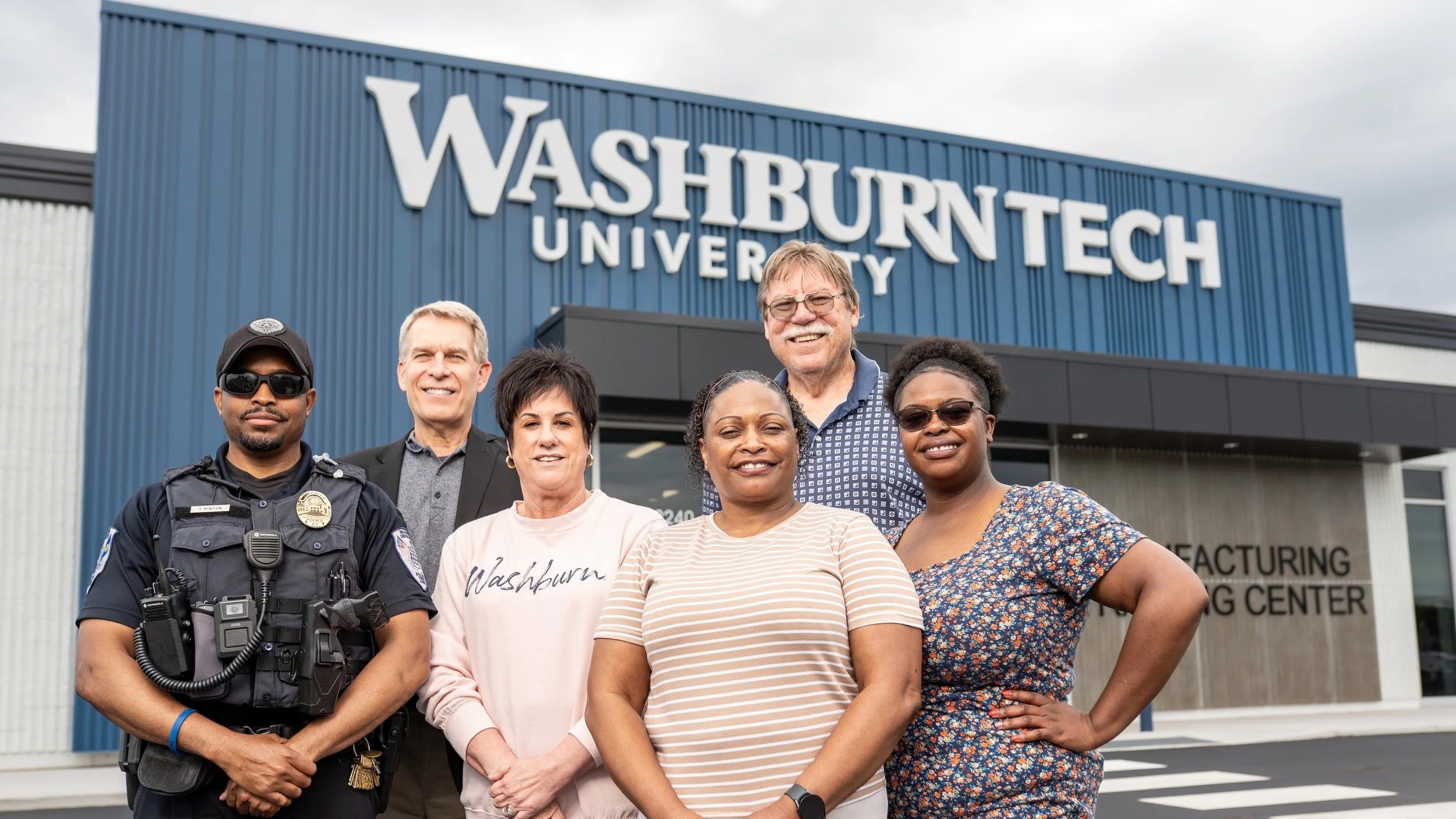
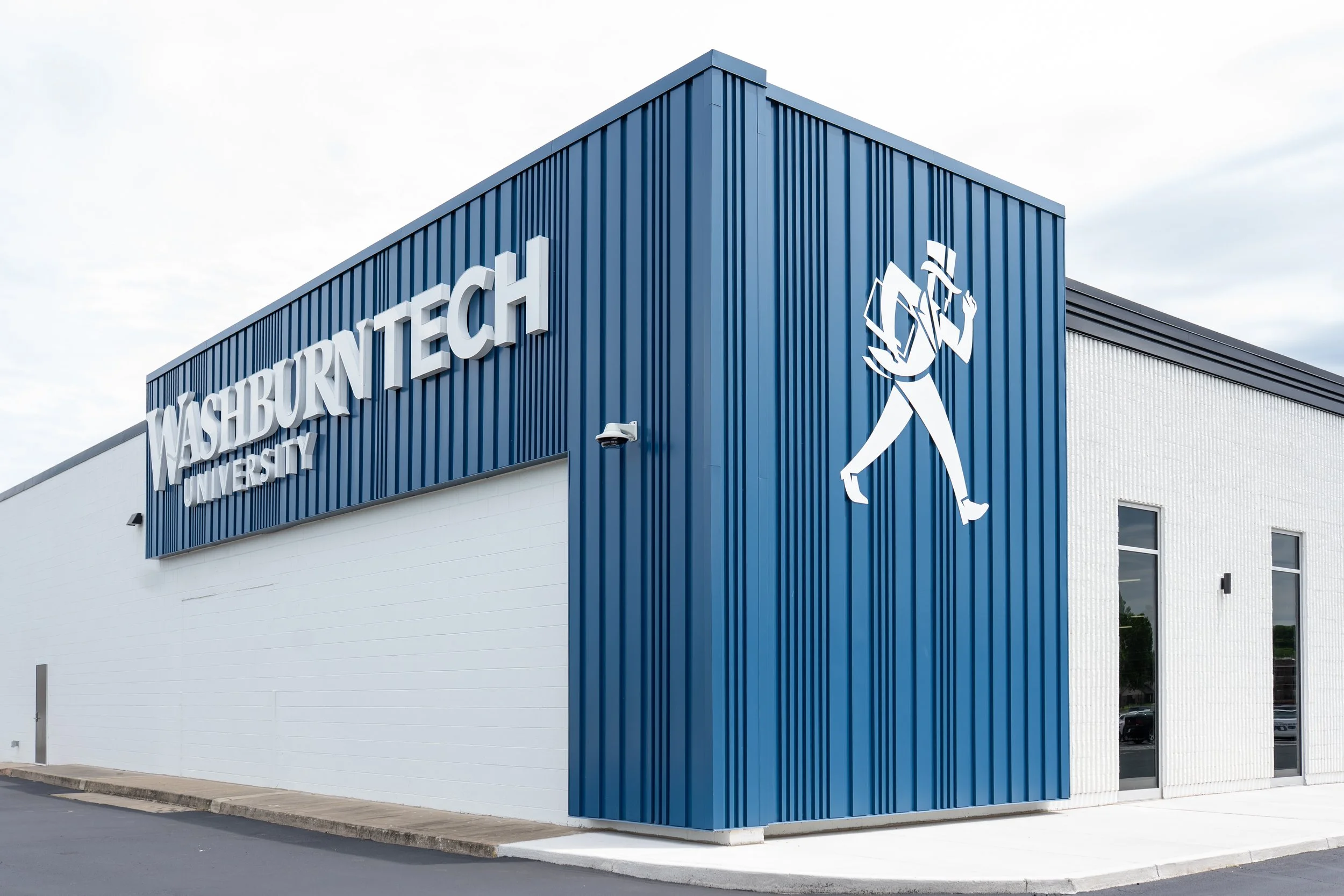
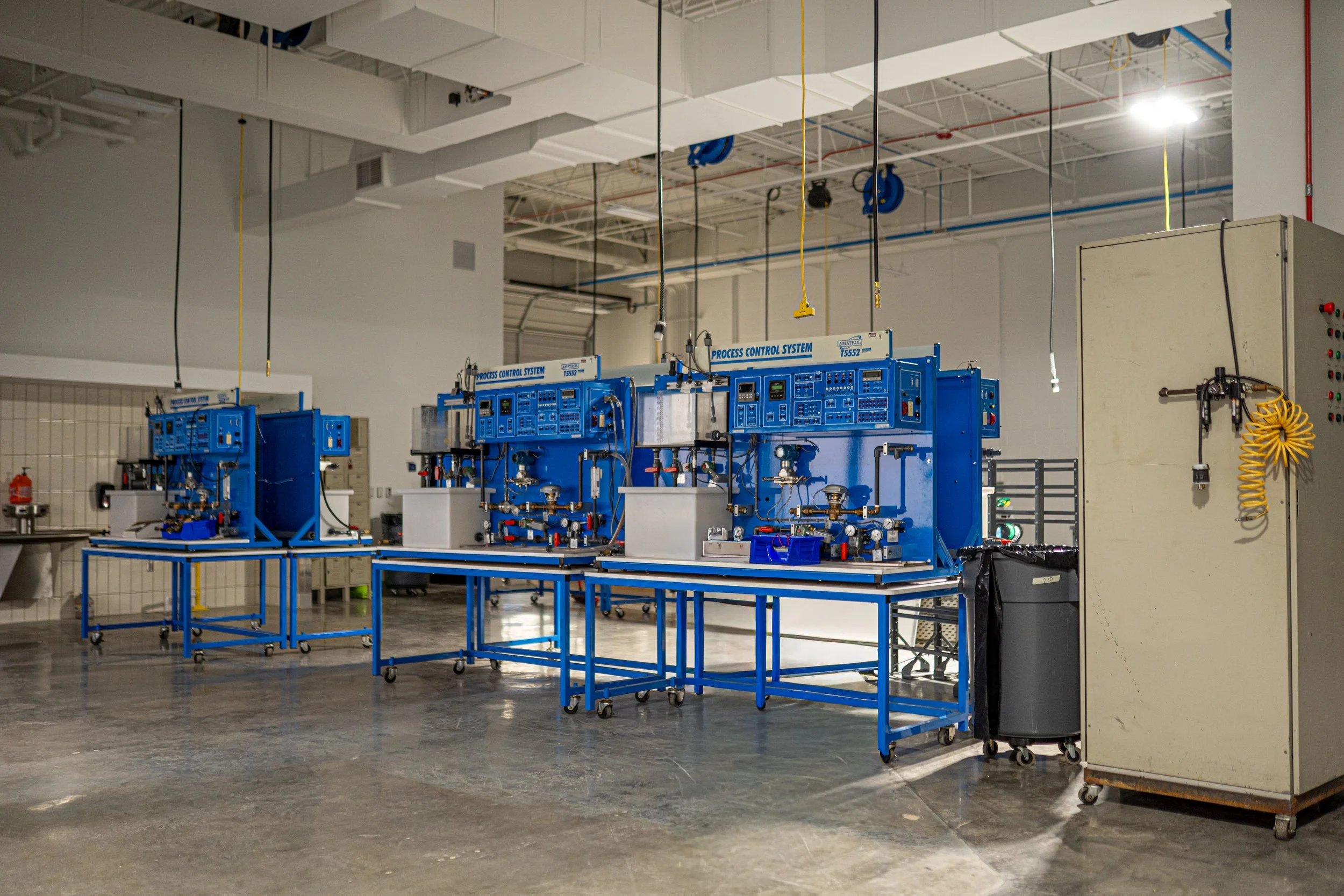
The university purchased the 90,000-square-foot former Kmart property in December 2024. Design work and demolition began in 2025, followed by a 65,000-square-foot buildout to accommodate the relocation of three programs: cosmetology, industrial machine maintenance and electrical technology.
The project, undertaken with HTK Architects and MCP, will accommodate 300 students and a dozen instructors when school starts in August. A ribbon-cutting ceremony set for Aug. 7 will officially introduce the facility to the community.
As Washburn Tech assessed its need for expansion, the team considered building a 40,000-square-foot facility on its existing campus at 5724 SW Huntoon St. But after looking at the possibilities the former Kmart building could provide, they opted to add a third location that offered more space for less money in North Topeka.
“It was a practical decision that we’ve been very happy with,” said Scott Smathers, dean of Washburn Tech. “We have more square footage for $2 or $3 million less than new construction would have cost. Plus, we still have approximately 25,000 square feet for future expansion as the need arises.”
Funding from the State of Kansas helped make the additional location possible.
EXPANDING CAREER TRAINING
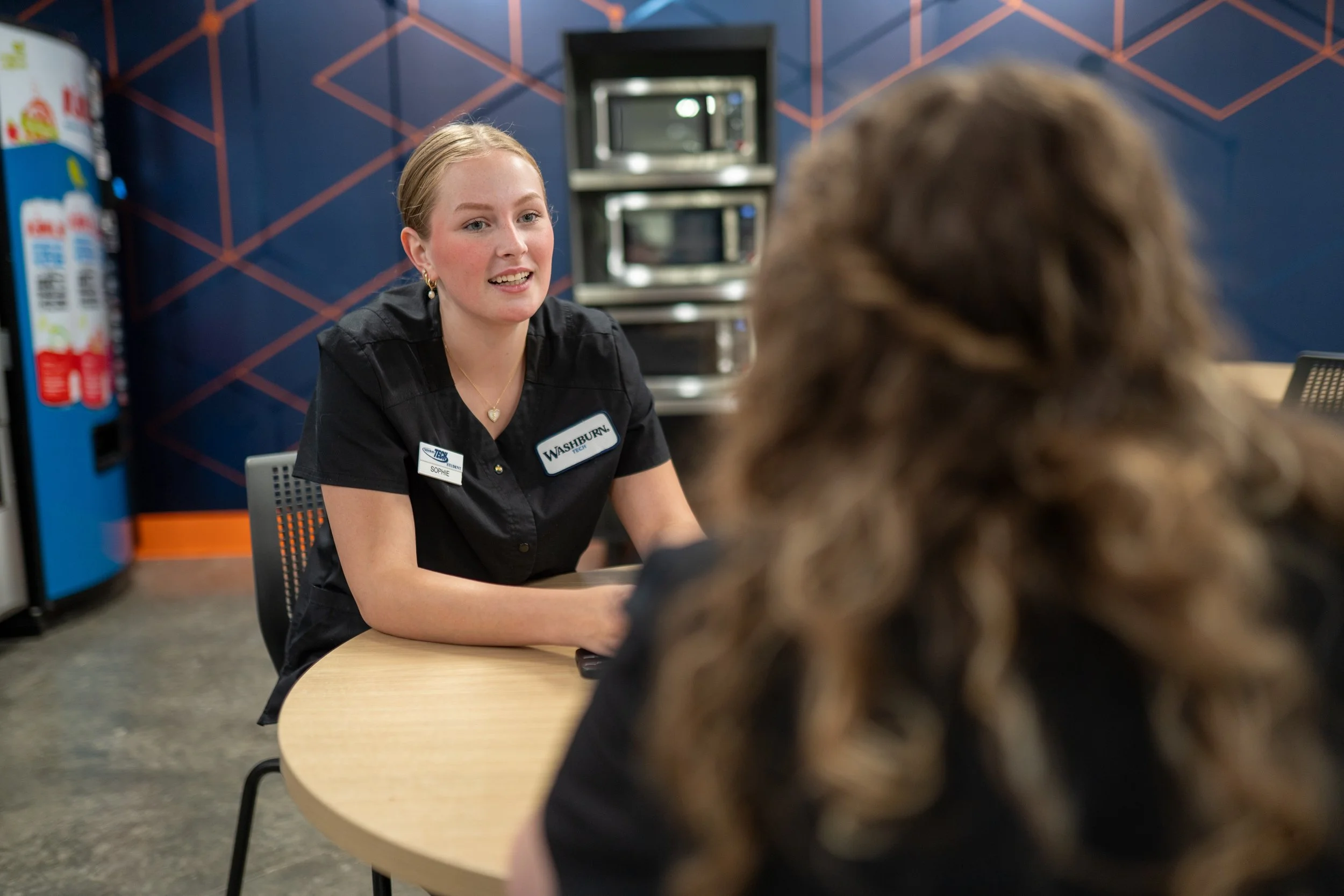
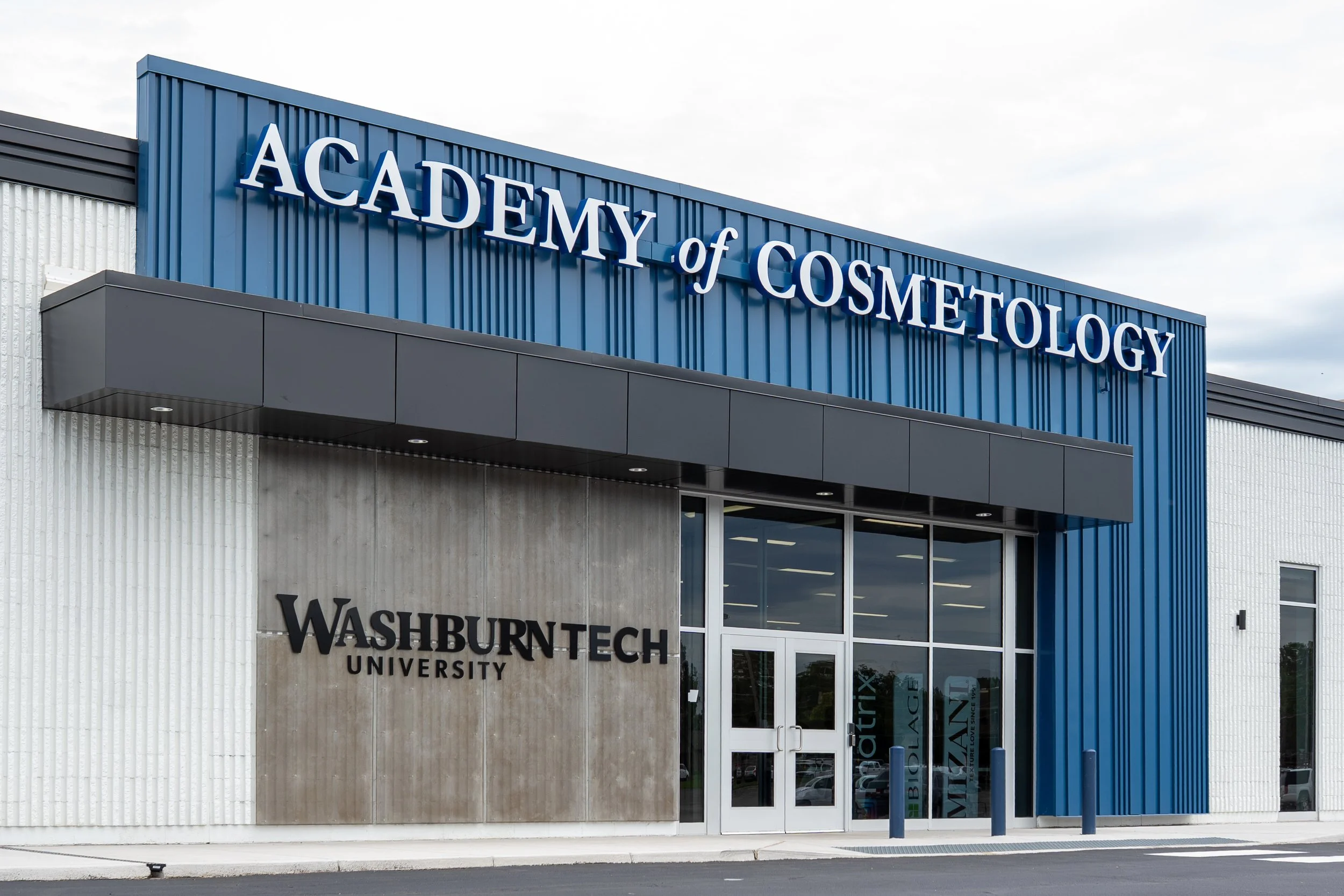
The Washburn Tech Academy of Cosmetology was redesigned for enhanced customer interactions and training. Following its soft opening in June, academy students now offer the public a full line of services, including hair care, manicures, pedicures, facials, waxing and more.
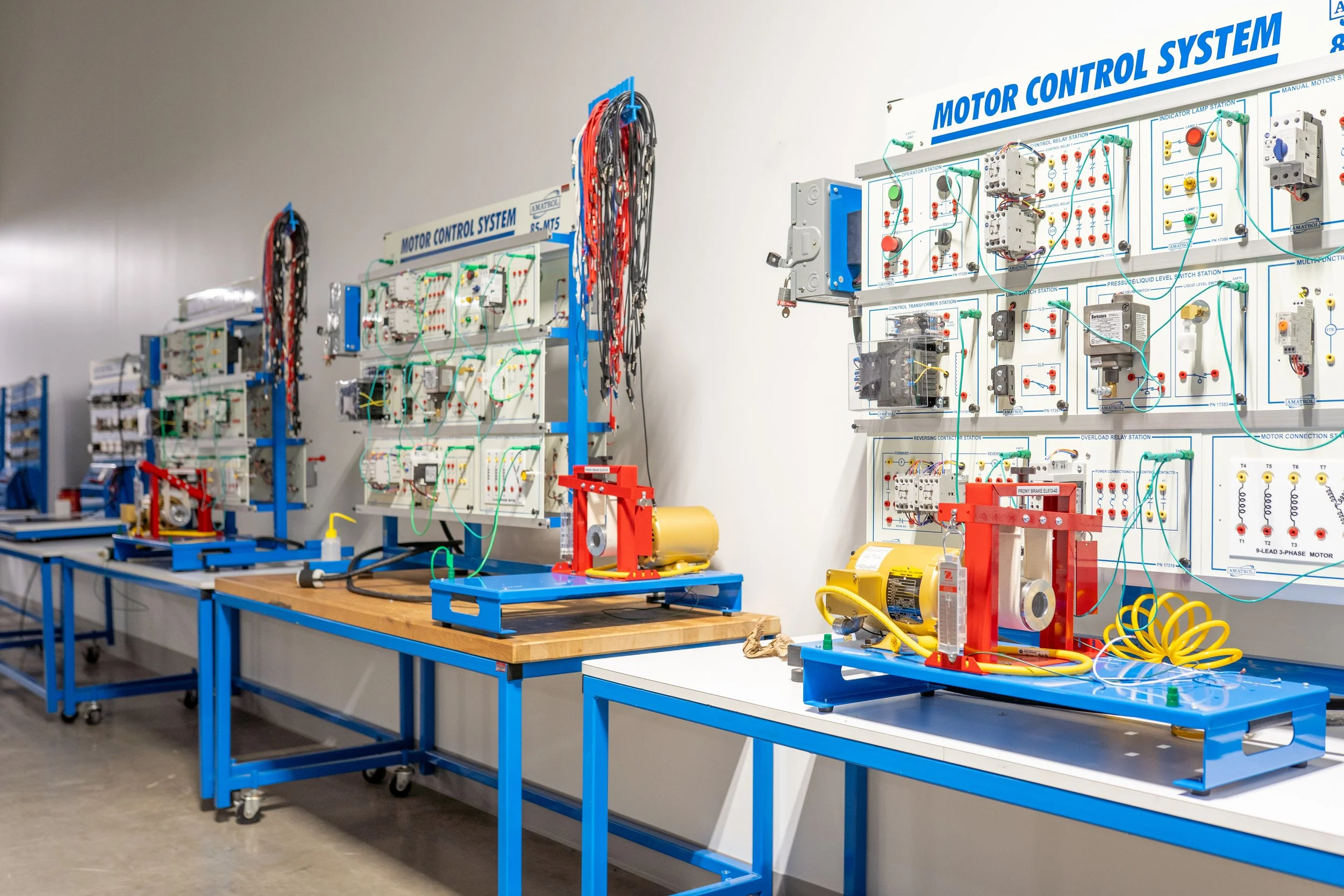
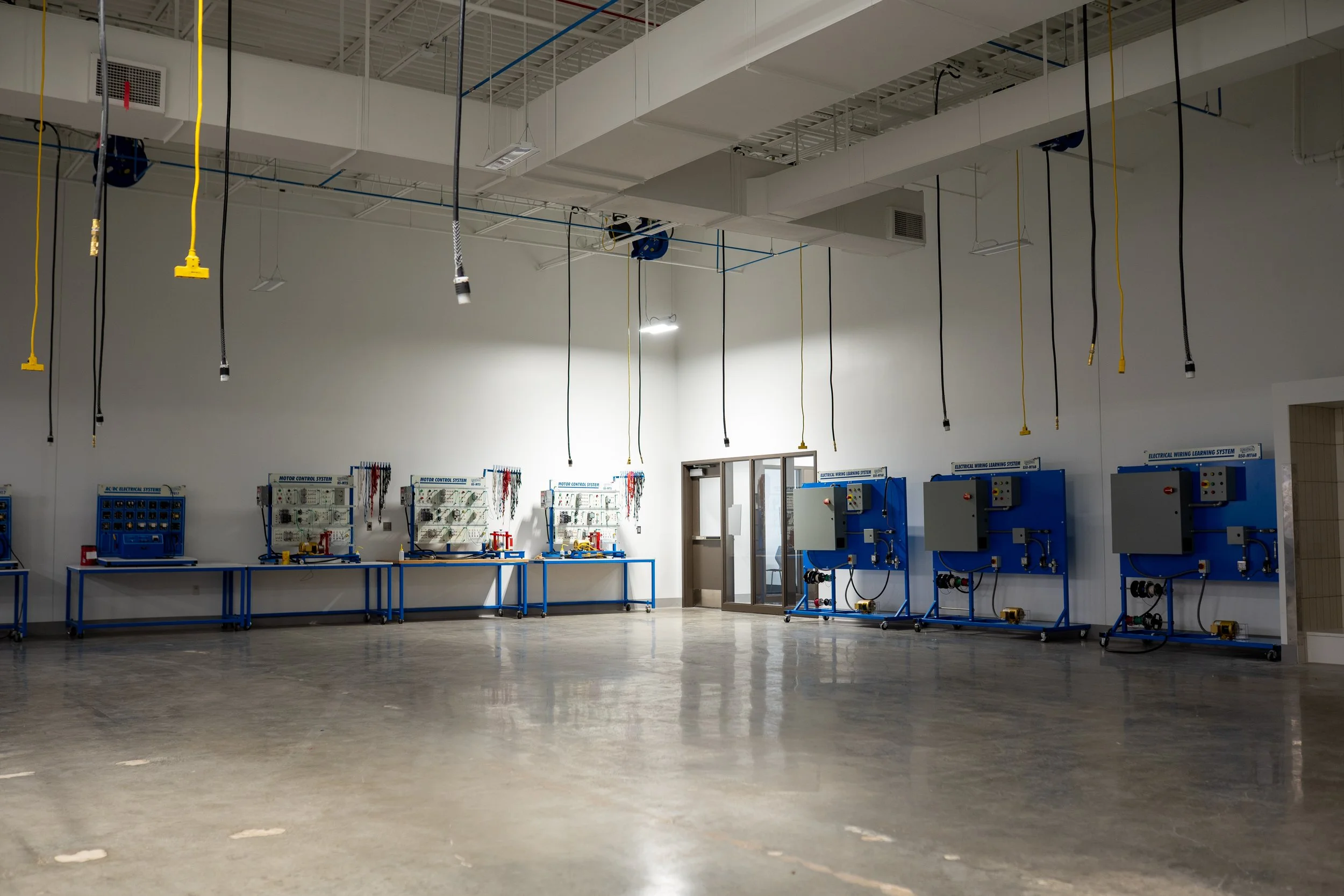
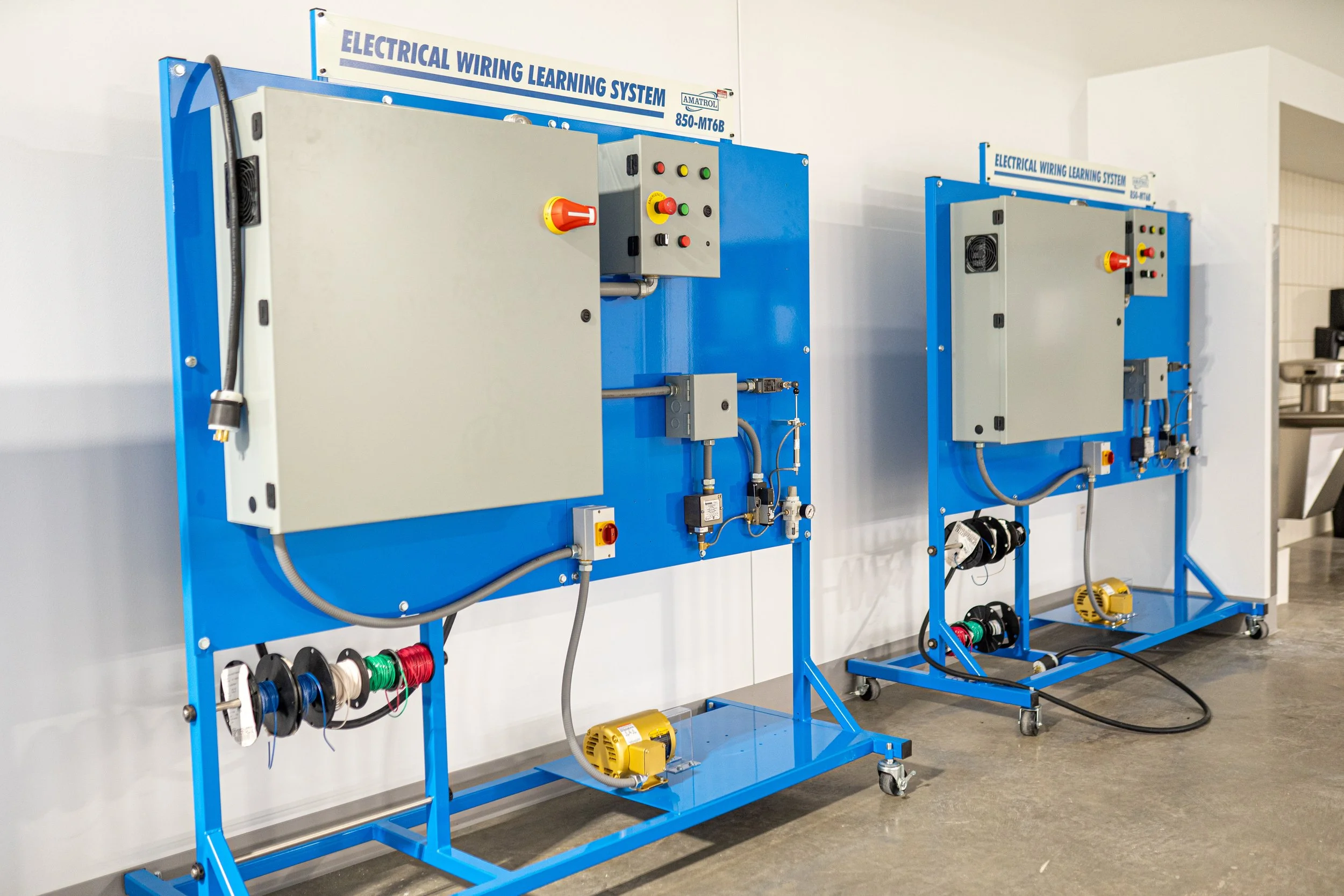
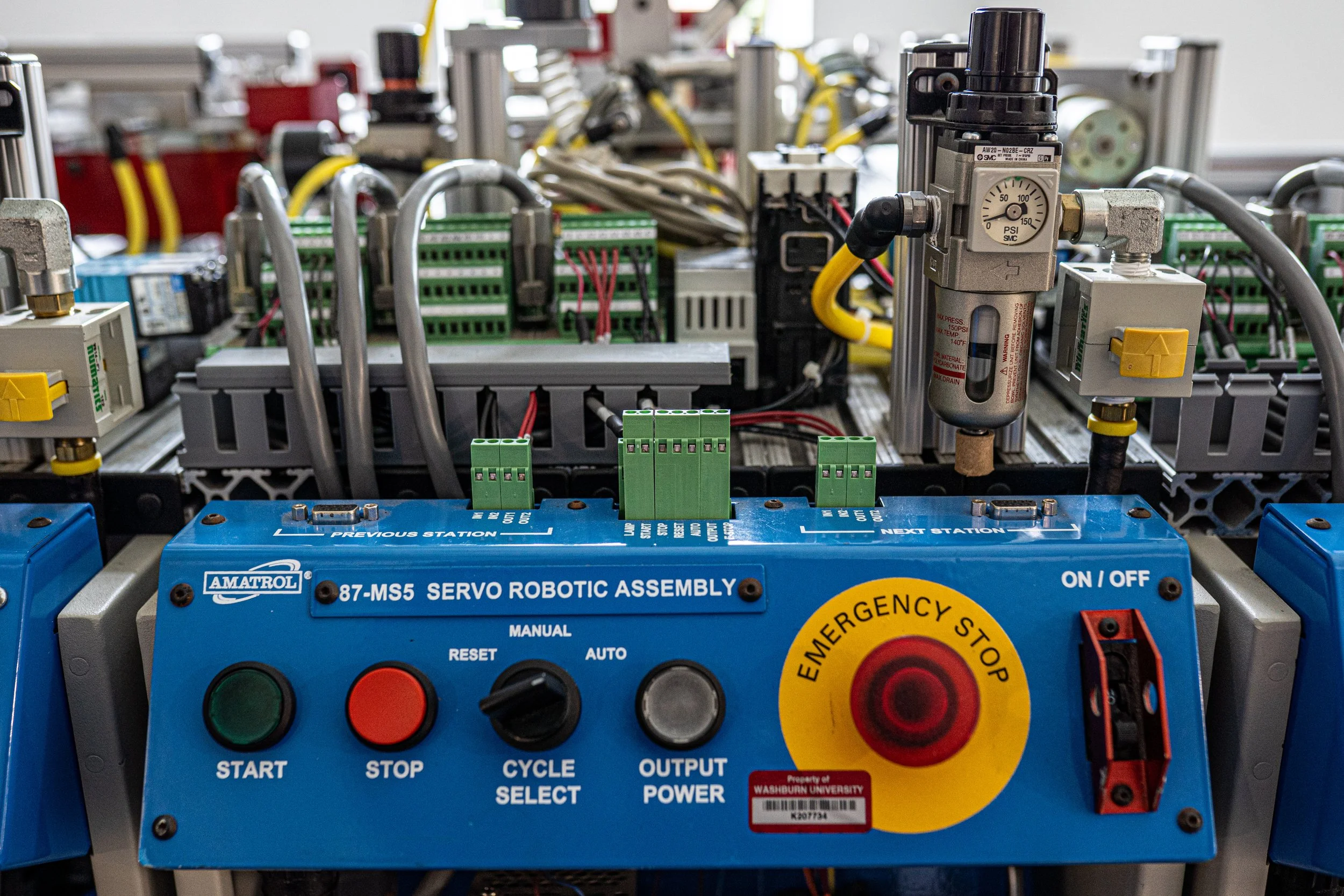
The electrical technology program has doubled its capacity for equipping students for careers in commercial and residential construction. The new Washburn Manufacturing Training Center has also doubled capacity for customized instruction, including the addition of a spacious lab that accommodates large equipment for onsite practice. A conference room seats 75 people in a classroom configuration and accommodates 50 people around tables.
The industrial machine maintenance program has also expanded its existing capacity and is launching an additional training opportunity in partnership with GO Topeka and FAME, or the Federation of Advanced Manufacturing Education, a nationwide collaboration with the Manufacturing Institute, employers, educators, community partners and economic development and chambers of commerce.
Through TopCity FAME, one of two Kansas chapters, Topeka companies sponsor students who attend classes year-round for two years while gaining hands-on work experience. Participating companies include Amcor, Bimini Pet Health, Futamura, Hill’s Pet Nutrition, HME Inc., Mainline Printing, Mars, Moore Digital Print and Mail Center, Panasonic Energy and Reser’s Fine Foods.
Trina Goss, vice president of business and talent initiatives with the Greater Topeka Partnership, said, “What makes FAME unique is the intentional combination of technical training, professional behaviors and hands-on experience. Graduates leave the program not only knowing how to maintain advanced manufacturing systems, but also how to communicate, solve problems and contribute as leaders in the workplace.”
She says Washburn Tech’s registered apprenticeship program is a long-term talent strategy for the capital city. Students attend classes two days a week and work at their sponsoring company three days a week.
“For students, it’s an opportunity to build a debt-conscious pathway to a high-demand career,” she said. “For our community, it’s an investment in the future of advanced manufacturing.”
Scott says the longest program Washburn Tech offers is two years. With scholarships, most students leave with a technical education and little to no student debt.
“On top of that, students can take general education courses, many of which are available online, so they can potentially leave with a certification and an associate degree from us,” Scott said. “Some starting jobs often pay $60,000 or more a year, so it’s a good way to begin a career.”
He says that many Washburn Tech credits will transfer to the university if students want to continue to pursue a bachelor’s degree while earning money in the careers they’ve trained for.
BALANCING TECHNOLOGY AND HANDS-ON SKILL
With the proliferation of artificial intelligence applications in business and industry, Scott said he sees the impact differently than some.
“AI is causing angst for some people considering careers, but I think we’re a long way from a robot showing up at someone’s front door ready to help with a plumbing problem. Students are learning how to effectively use AI for diagnostics, but they still need hands-on skills to serve their customers. There’s a difference between being able to diagnose a plumbing problem and actually being able to work on the equipment.”
CREATING COMMUNITY MOMENTUM
In addition to the advantages the new campus has created for students and instructors, the repurposed buildings have reinvigorated the shopping complex and helped Washburn Tech form new relationships with its commercial neighbors.
“I underestimated how much positive impact the North Topeka facility would have on the surrounding community,” Scott said. “We’ve been welcomed by other companies, including the North Topeka Business Alliance, which has already created a couple of scholarships with us. Sutherlands and the veterinary clinic and other businesses have become welcoming, amazing partners for us.”
Scott credits a collaborative effort between Washburn Tech and Washburn University for bringing the North Topeka campus to fruition. It complements the institution’s main campus and East Topeka campus at 2014 SE Washington St.
“We’re excited that we can serve students in an additional environment and help make their learning experience and earning potential better,” Scott said. “This wouldn’t have happened without the support of Washburn University leadership and the facilities team.”