
Unwrapping a New Era: Futamura
By Lisa Loewen
Photos by Brian Peters
Futamura celebrated its 10th anniversary of operations in Shawnee County over Memorial Day weekend with a three-day carnival-style celebration open to the community.
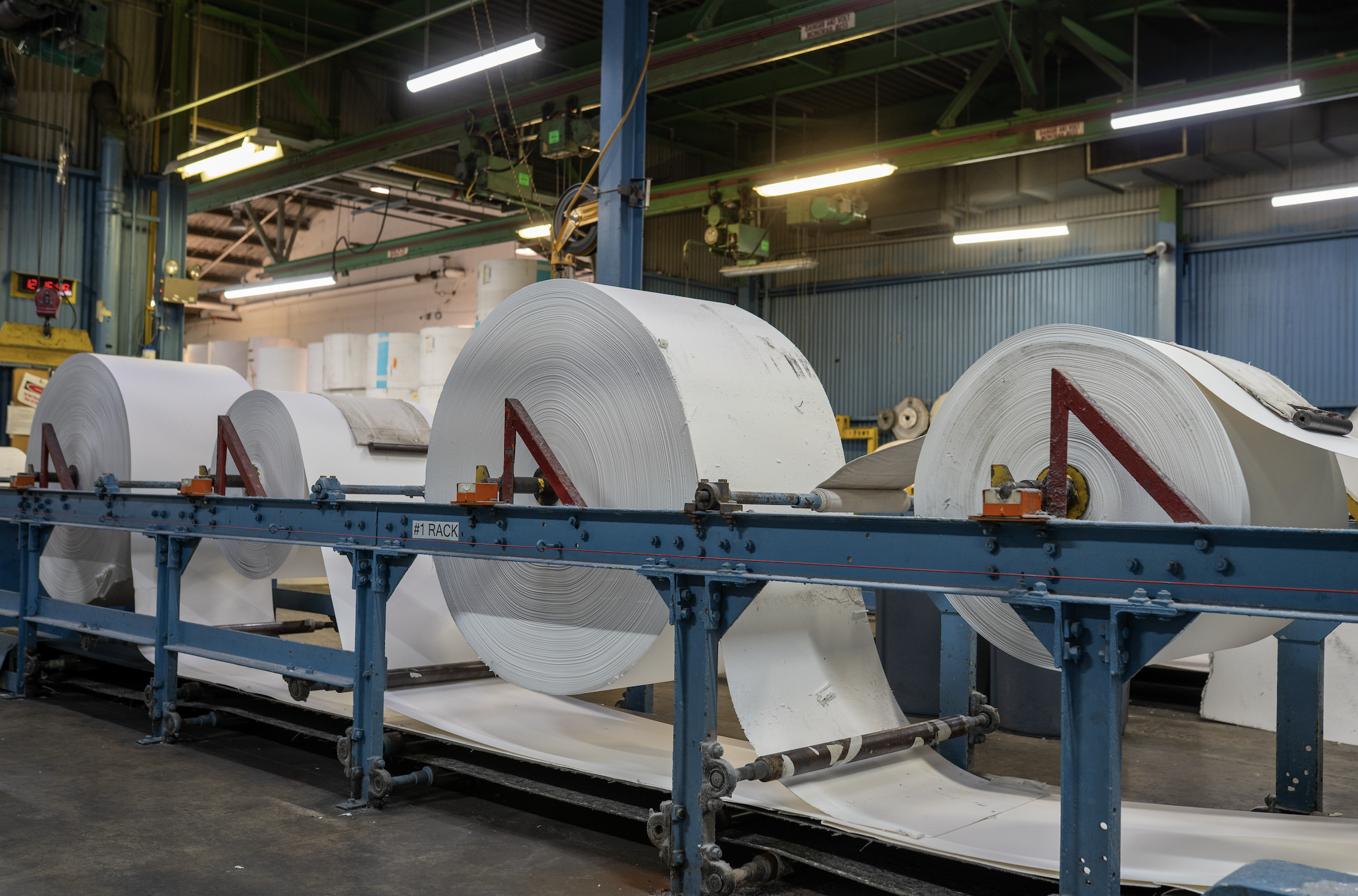
Futamura, a Japan-based company that produces activated carbon, fibrous casings, laminated sheets, plastic films and cellulose films, purchased Innovia Films’ cellulose business in July 2016. The deal revived a now-67-year-old cellophane factory in Tecumseh, Kansas.
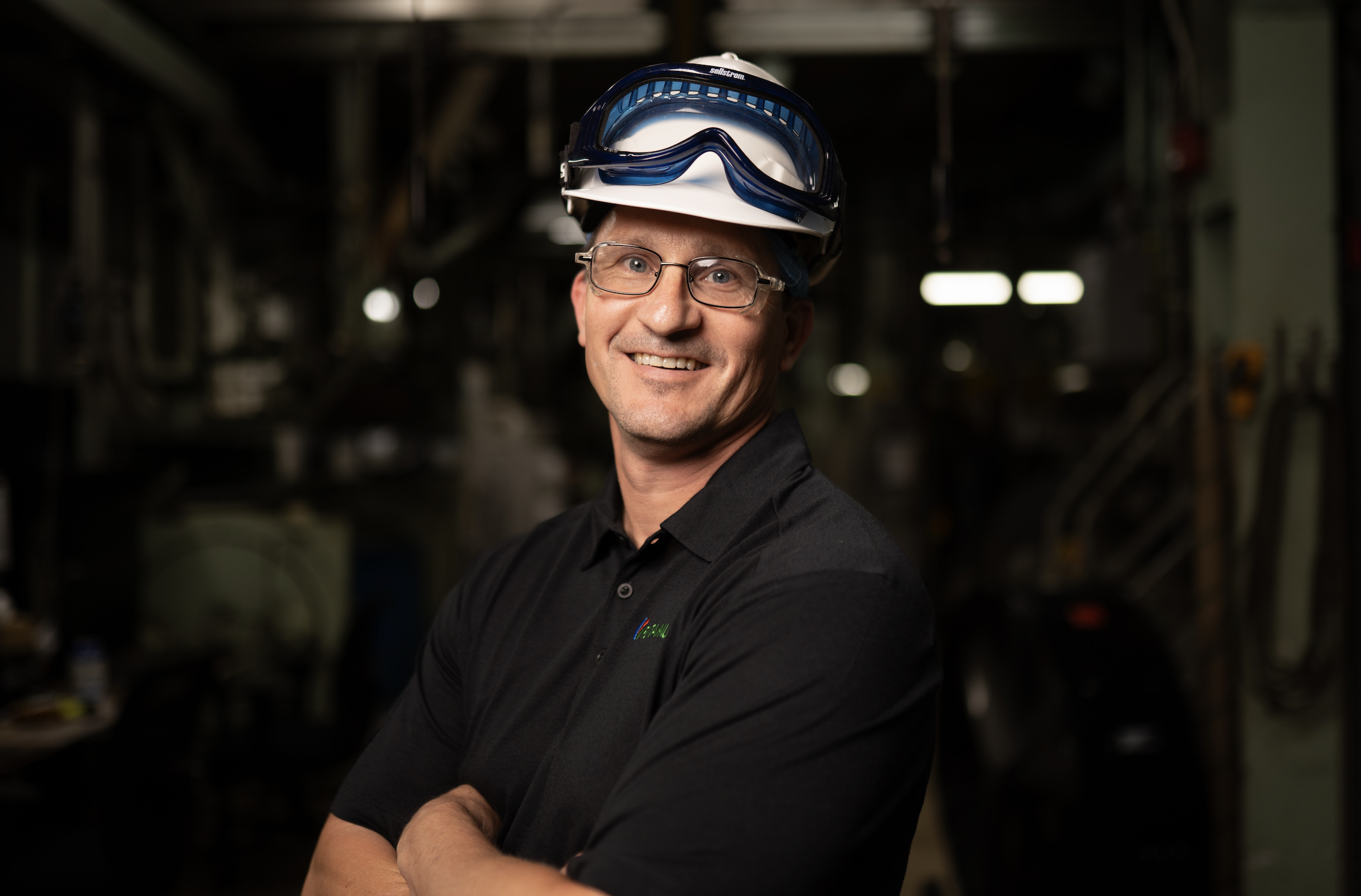
“It was an absolute blessing,” said Michael Basore, who started working at the plant in 2003 as a process engineer and is now the plant manager. “We were a factory in decline, and now we are looking forward once again to growth and prosperity.”
SEALED IN HISTORY
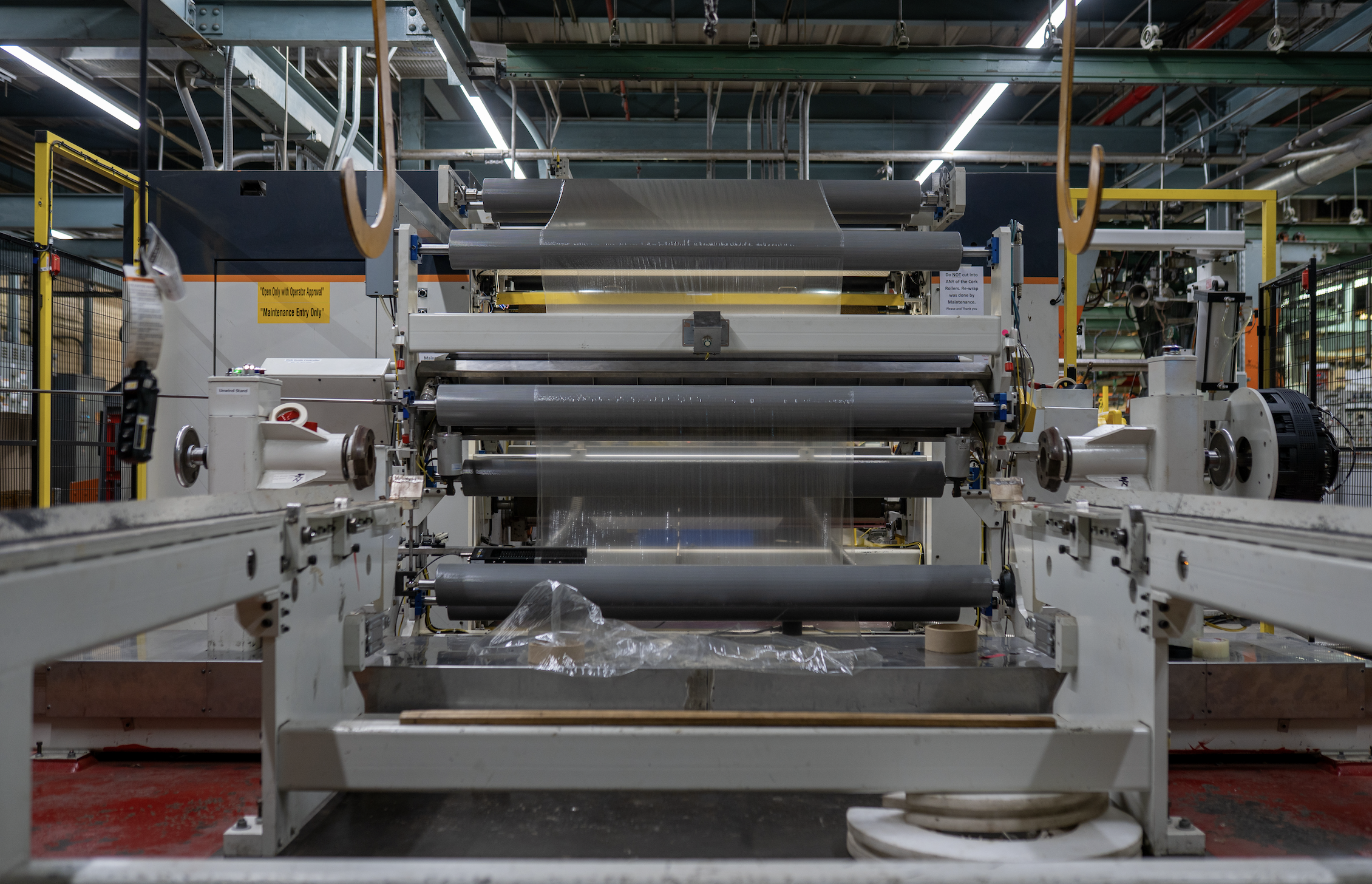
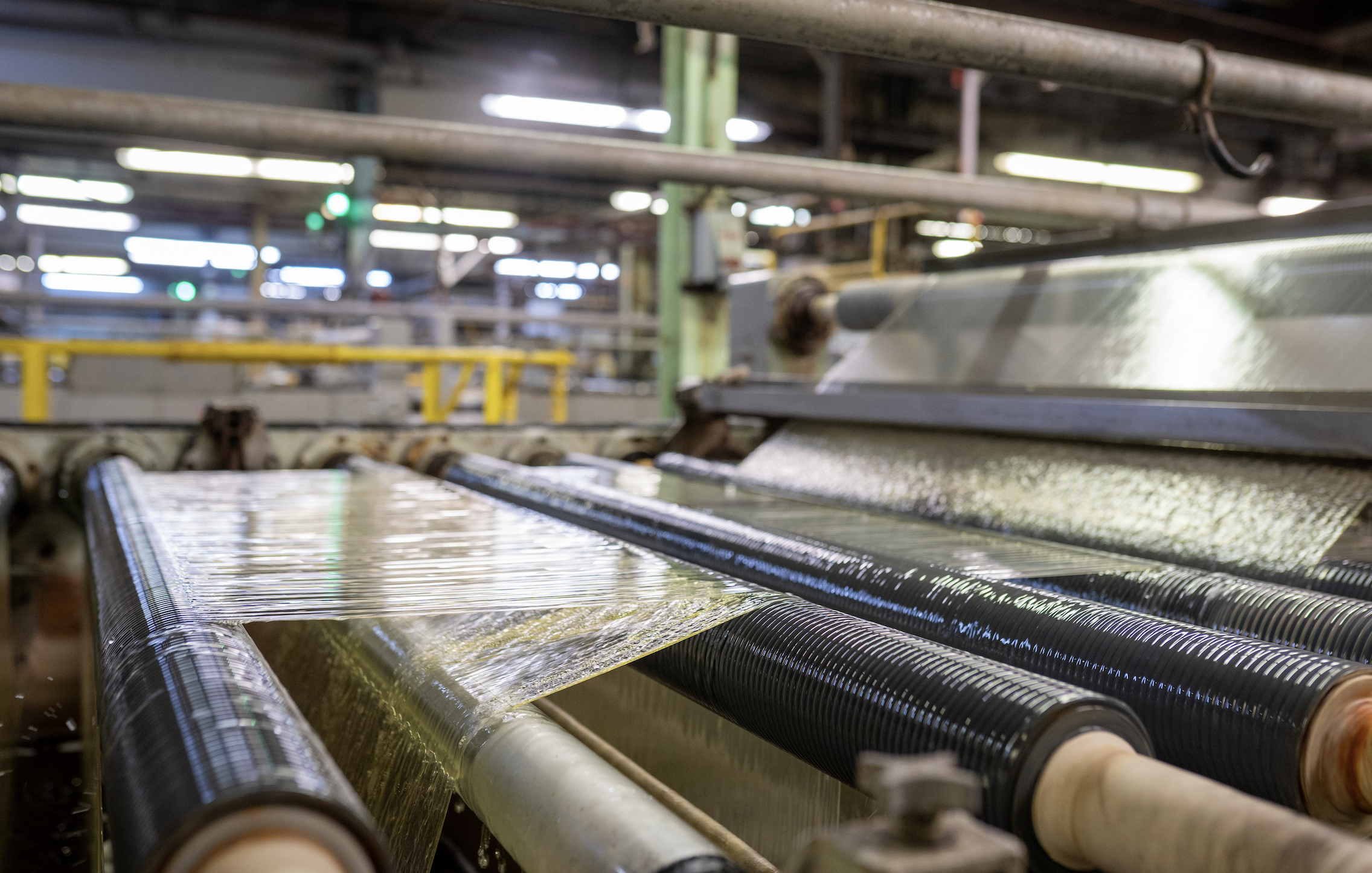
DuPont built the cellophane plant in Tecumseh in 1959, at the height of the cellophane manufacturing boom. The biodegradable film, made from wood pulp, was used to package everything from baked goods to candy and cigars. Plastic soon overtook cellophane because of its significantly lower production costs, superior durability and moisture resistance. By the 1960s and 1970s, cellophane plants across the country were shutting down, until Tecumseh’s was the last one standing in North America.
In the early 2000s, environmental awareness started to gain momentum. Concerns about plastic pollution and climate change pushed consumers and companies alike toward recyclable and biodegradable alternatives, bringing cellulose-based packaging back into demand.
Innovia Films, based in England, purchased the plant in 2005, producing both traditional cellophane and NatureFlex, a certified biodegradable cellophane suitable for industrial and home composting. The film breaks down in home compost bins, in water and sewage environments, and as litter.
“Innovia kept the plant open for 10 more years,” Michael said, “but we were still in decline because we were underfunded and operating with very little resources.”
CULTURAL RE-WRAP
In 2016, Japanese company Futamura took ownership of the plant and invested $30 million in repairs, new product lines and employees. The company added two production lines to the four already operating, increasing capacity by 5,000 tons, and grew the number of staff from 190 to 245. But the most significant change under new ownership, according to Michael, was a shift in culture toward building relationships with both customers and employees.
“With Futamura, money is actually tertiary,” Michael said. “They understand that the best way to improve the bottom line is to take care of the people who produce the products they sell.”
That meant losing money for the first several years of operation while the plant was undergoing repairs. It also meant listening to the people who had been working at the company for years to understand what they needed to improve working conditions and production efficiency.
“They haven’t told us ‘no’ on anything we have asked for. If we need something, they trust us and have stepped up to the plate,” Michael said. “And it hasn’t just been with money. It is time, expertise and the will to get the repairs completed. We feel like we work with the leadership, not for them.”
As plant manager, Michael says he can see things moving in the right direction. The past 10 years have brought more than physical improvements to the plant; employees have seen rising wages, improved benefits and a better work environment."
“A great example of this philosophy in action could be seen when Gen Sato, president of Futamura USA, toured the facility to determine the extent of the repairs that needed to be done. During that tour he asked to see the employee bathrooms because he wanted to make sure they had the best possible working environment,” Michael said.
ON A ROLL
With six of the seven production lines back in service, Futamura still has room for growth at the plant in Tecumseh. Investment in the facility and operations has made the job site safer and more efficient, and employees say they are finally seeing the payoff for years of hard work.“
Before Futamura came in, it was hard to attract and keep good employees. Now, our turnover is cut in half, and we are growing for the first time in years,” Michael said. “I have actually been able to go back and recruit some great people who left the company years ago because they didn’t feel appreciated. It is so rewarding to see them come home.”