
Biosolids Master Plan: Bartlett & West
For several years, Bartlett & West, the City of Topeka and other entities have been working on innovative ways to make the community’s wastewater treatment operations more environmentally friendly and fiscally sound.
Andrew Wright, PE, has worked at Bartlett & West for 16 years and is the company’s lead engineer on the projects.
“Having a strong wastewater collection and treatment process is so important for public health and economic growth,” he said.
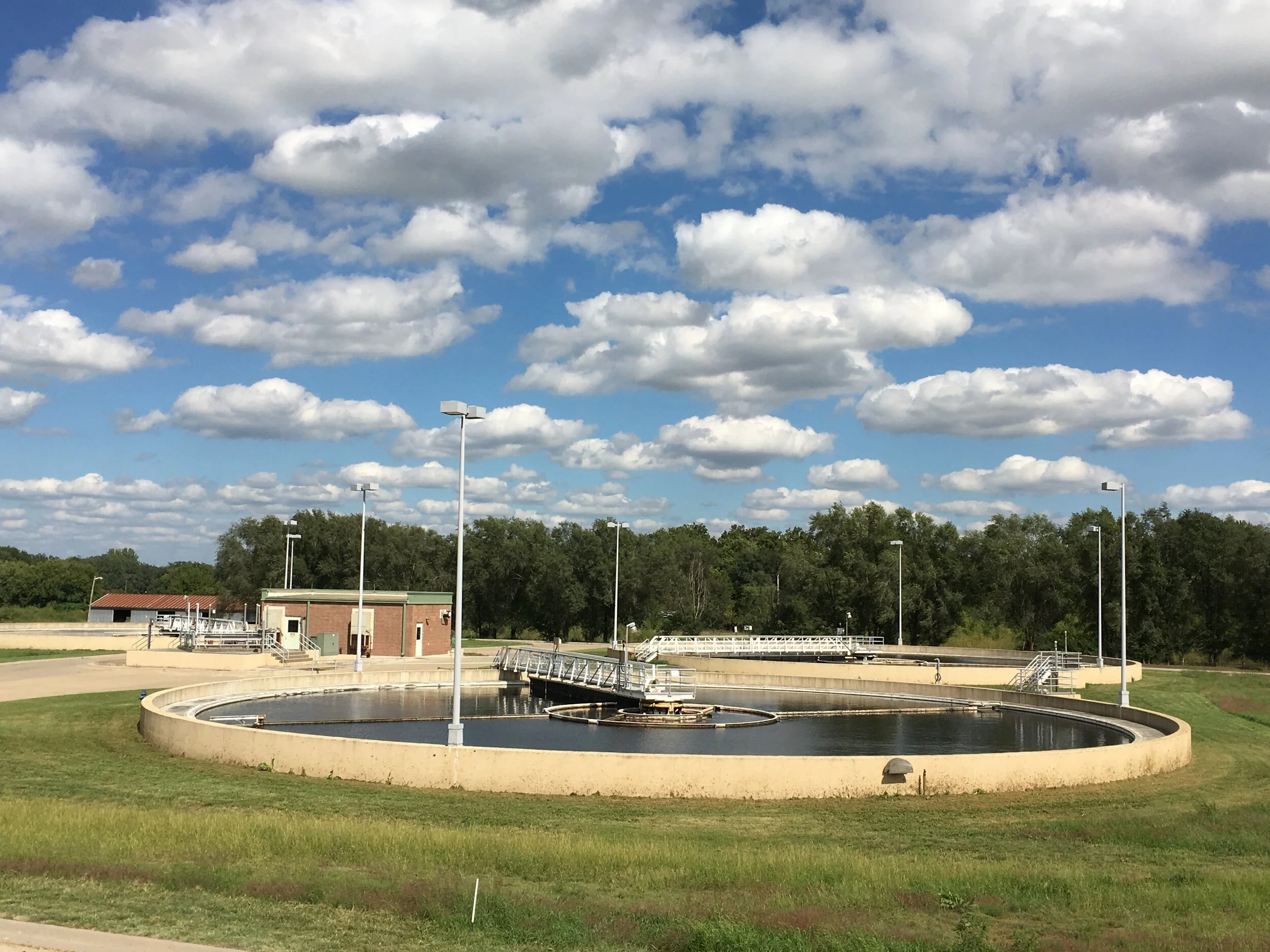
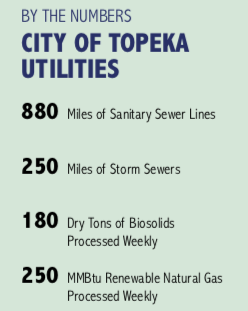
How important? The City of Topeka manages a labyrinth of 880 miles of sanitary sewer lines, 250 miles of storm sewers, 35 miles of channels and 22 miles of river levees. In a given week, Topekans generate 180 dry tons of biosolids processed through the Oakland Wastewater Treatment Plant and the North Topeka Plant.
POTENTIAL POWER SOURCE
In 2016, Wright began working with others to create a biosolids master plan for the city.
“We took a holistic look at the City’s biosolids processing so we could limit the costs of disposing of the biosolids and identified a way to turn the solids into a revenue stream,” he said.
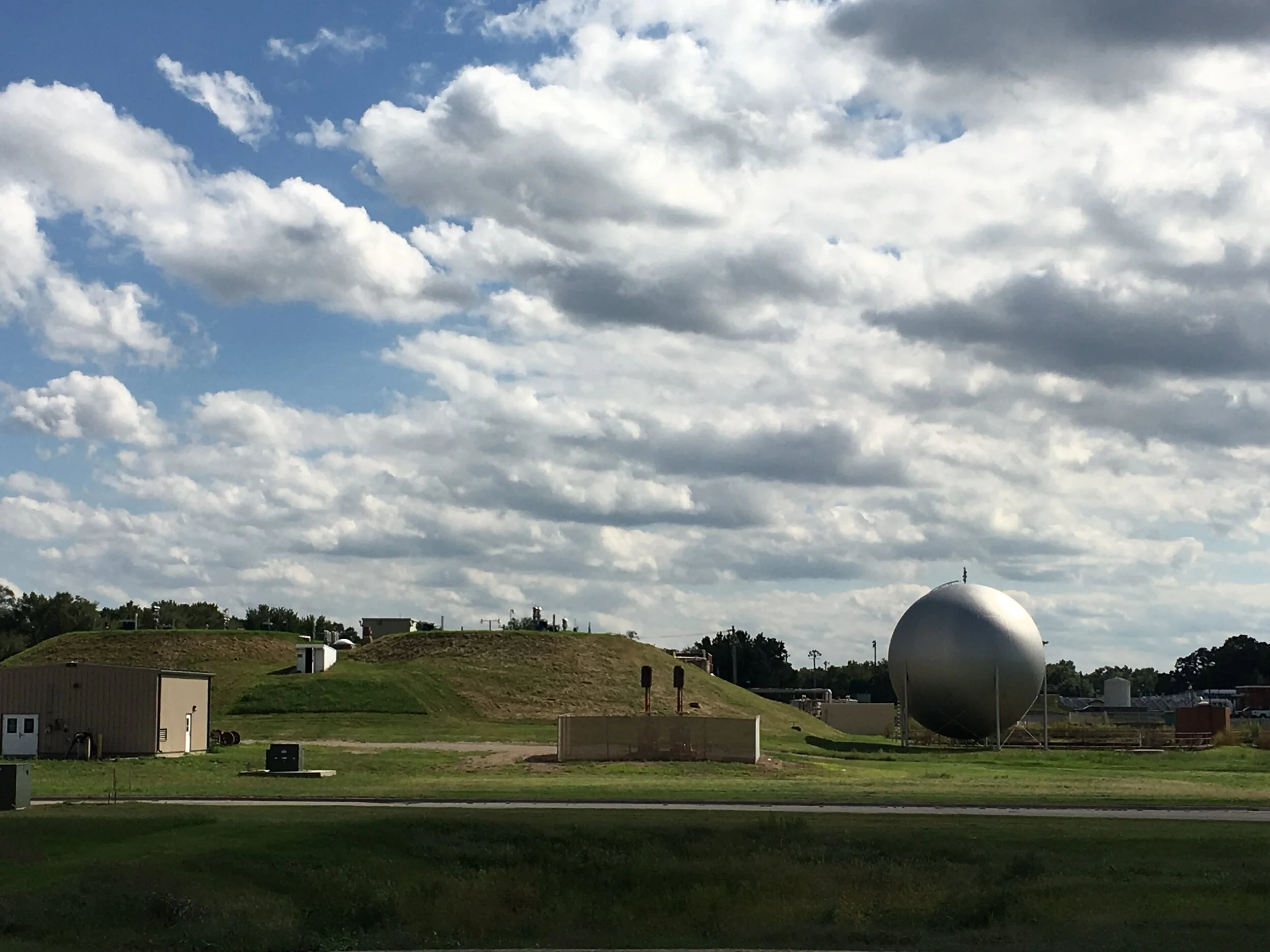
The $26 million project allows biogas to be captured, upgraded to pipeline quality and injected into
a pipeline for sale. The project is currently under construction and includes gas upgrading equipment and a two-mile pipeline to the interconnect point with Southern Star, a Midwest natural gas provider.
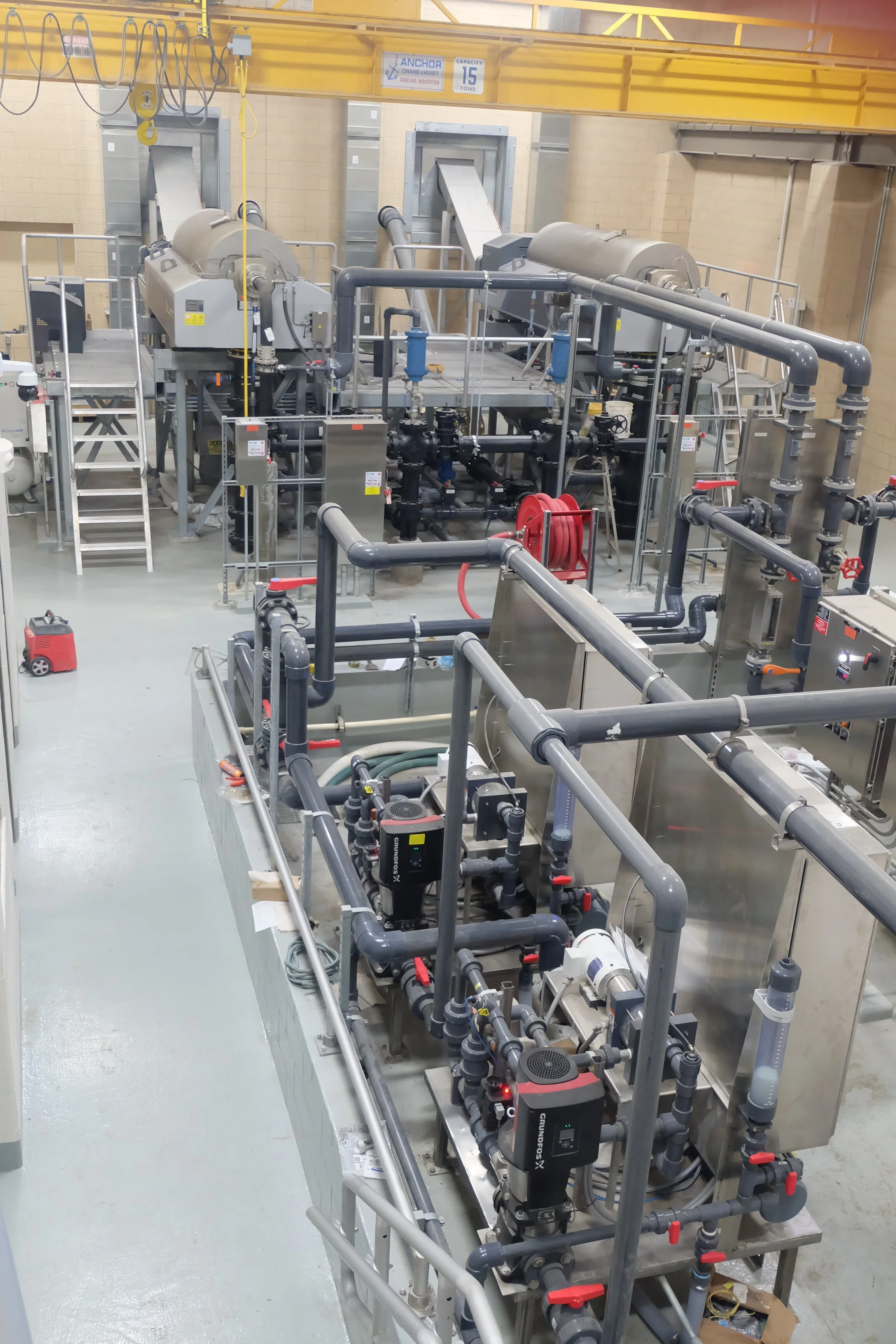
The comprehensive project included replacing belt filter presses with centrifuges and designing and constructing a waste receiving facility to dose anaerobic digesters with high-strength waste and fats, oils and greases. The upgrade also entailed enhancing ultra-violet disinfection and surface aeration systems to reduce energy consumption and operator input.
SEWER COLLECTION SYSTEM ENHANCEMENTS
The sewer collection system is another critical concern for the City of Topeka, which has
a combined pipeline system in older portions of the sewer system through which storm water and sanitary waste travel.
“When the system was built 120 years ago, they didn’t separate storm and wastewater like they do now,” said Wright. “If we had a rain event, the amount of water would be too much for the treatment plant to handle, forcing some of it into the river.”
A consulting firm suggested a $600 million price tag to separate the entwined system.
After conducting research, including monitoring and sampling overflows, Wright said the Bartlett & West team was able to put together a three- phase plan spanning 15 years for half that much. The plan focuses on cleaning and repairing sewers to increase flows to the two wastewater treatment plants during rain storms.
“Our approach allows the city to use funds to maintain the infrastructure instead of having to build a new system,” he said.
The solution has been effective. Wright said Environmental Protection Agency regulations stipulate that utilities need to achieve an 85 percent wet weather capture rate on an annual average basis. With recent enhancements, the City of Topeka is achieving wet weather capture in excess of 85 percent, which Wright said maintains the water quality of the Kansas River and allows the City to focus on the service and reliability of the sewer system. In 2019, Bartlett & West worked on another collection system project to help the City of Topeka incorporate closed circuit cameras (CCTV) and a centralized database using geograph information systems (GIS) mapping to conduct sewer main inspections.
“This allows the city to inspect lines, update rankings and make decisions on where to spend their money for repairs using algorithms,” said Wright. “They can be good stewards of funds and get the most bang for the buck as a data-driven utility.”
Growing up, Wright’s family vacations often entailed camping trips to national parks near bodies of water, which helped ignite his later career interest in protecting waterways.
“Engineering is the family business,” said Wright, whose father and brother are also engineers. “I chose civil engineering because it’s the most people-focused discipline and lets you see your work’s impact on a large number of people and communities. It’s gratifying to work on projects that have a positive effect on quality of life and economic growth.”