


Resources for Turning a Vintage Building Into a Modern Office Space
Embracing the Old With the New: Integrating Vintage Charm in Modern Office Design
When approaching the design for a vintage building, the goal is to strike a balance between preserving historical features and fulfilling modern needs. Original woodwork, brick walls, and architectural details are not just remnants of the past; they're character-rich elements that can define a space. The trick is to repurpose these elements in a way that complements both the building's history and your company's brand.
Strategically incorporating contemporary design elements with these existing features can yield stunning results. For example, modern lighting fixtures can highlight traditional moldings, and sleek office furniture can contrast beautifully with rustic, exposed beams. Adding carefully selected artificial plants can bring a touch of greenery without the maintenance concerns that come with historical buildings.
While preserving the building's structural integrity, it's essential to integrate modern comforts and amenities. This could mean modernizing the HVAC system, installing high-speed internet infrastructure, or retrofitting for energy efficiency. Achieving a level of comfort that meets present-day standards is crucial for creating a productive work environment while keeping the vintage charm intact.
Navigating Zoning Laws and Building Codes for Historical Structures
Retrofitting a vintage building is rarely straightforward, thanks in part to the web of zoning laws and building codes that govern alterations to historical structures. Understanding these regulations early in the planning process is critical, as they can influence everything from the choice of materials to the allowable modifications. It's a good idea to consult an architect or planner who specializes in historic preservation to ensure compliance with all local, state, and federal guidelines.
In many instances, the status of a building as a historic landmark or its location within a historic district can significantly constrain the scope of potential renovations. Before finalizing the design plan, contact the relevant historical societies and preservation boards. Their input can be invaluable in maintaining the integrity of the building while pursuing the necessary upgrades.
Additionally, securing permits for renovation can be a lengthy and complex process for historical buildings. Working closely with an experienced contractor who can navigate these challenges is essential. An expert in onsite finishing and restorations can provide indispensable guidance and help streamline the process with local authorities.
Sustainability in Renovation: Eco-Friendly Materials for Upgrading Vintage Buildings
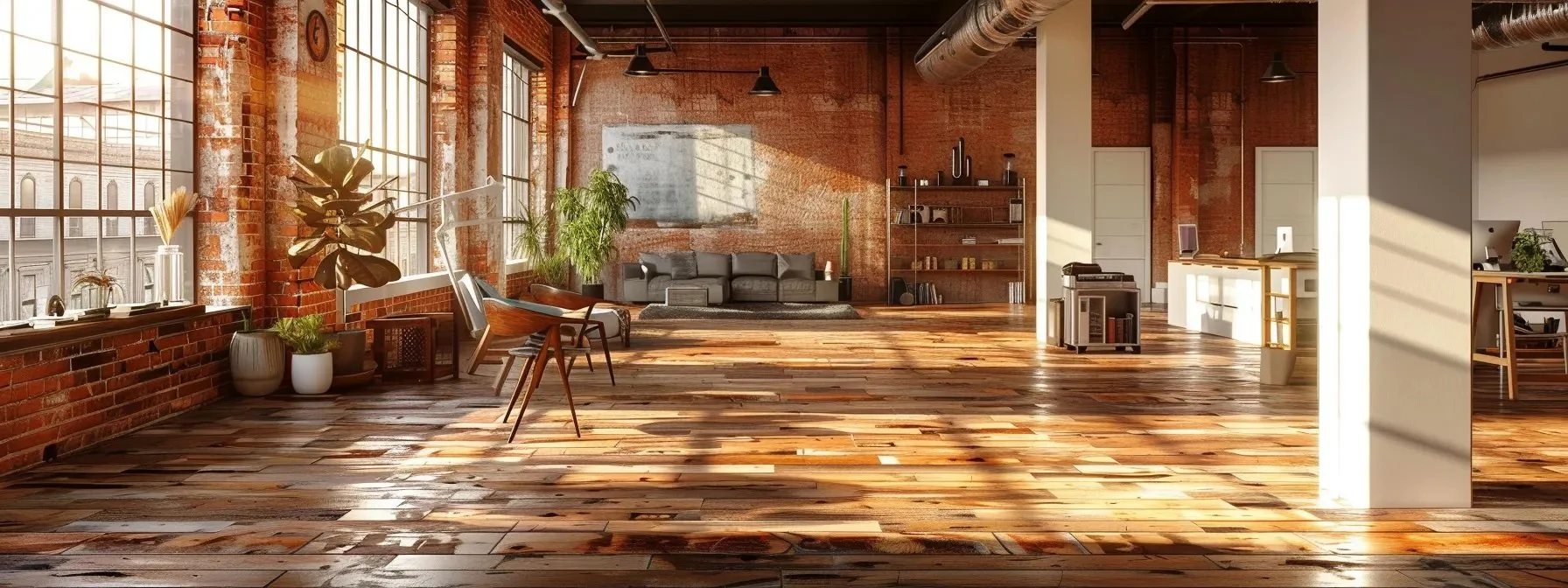
Today's renovations are not just about aesthetics and compliance; sustainability is increasingly at the forefront of design considerations. Choosing eco-friendly materials that reduce the building's carbon footprint is as important as preserving its historical charm. For instance, reclaimed wood can be used for flooring or wall paneling, giving a nod to the building's era while promoting resource conservation.
Energy efficiency is another critical aspect of sustainable renovation. Installing double-glazed windows, high levels of insulation, and energy-efficient HVAC systems can dramatically reduce energy consumption. Moreover, incorporating advanced building management systems can allow for smart control over heating, lighting, and cooling, adding to the building's modern functionality.
Utilizing Tech Tools for Visualizing and Planning Your Office Space Renovation
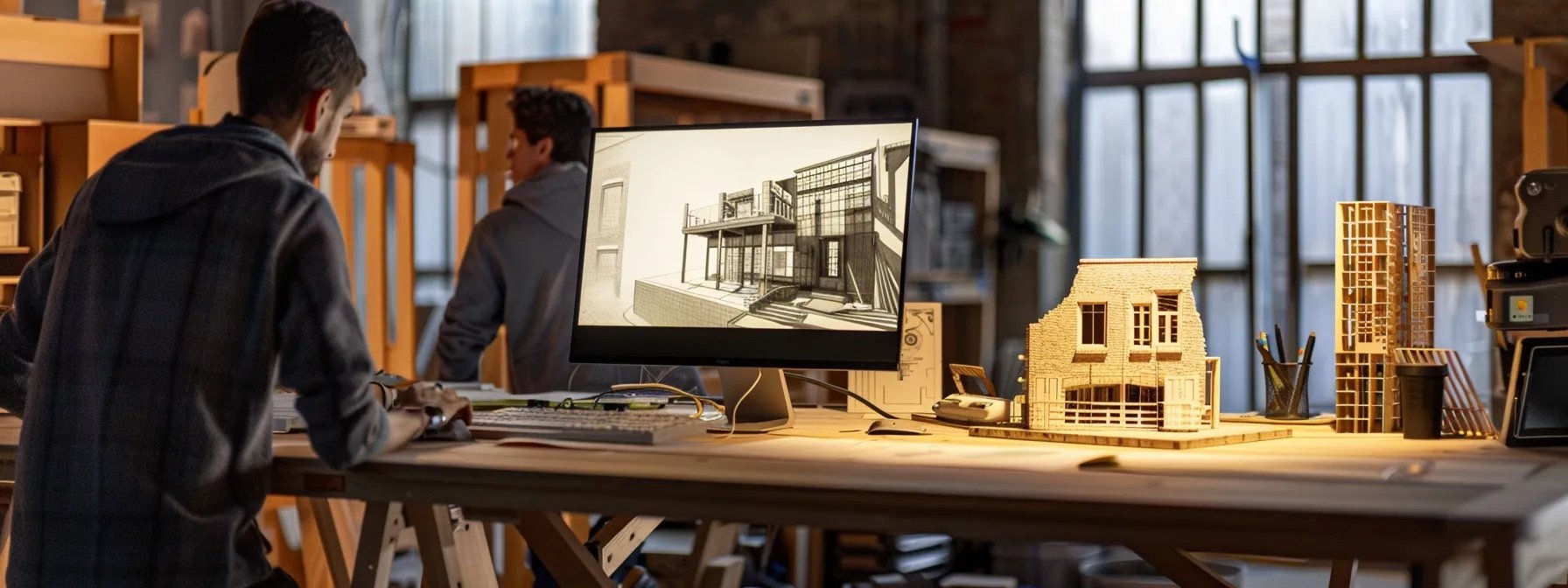
In addition to innovative design resources, technology plays a vital part in visualizing and planning the renovation of a vintage building. 3D modeling software like BIM (Building Information Modeling) provides a comprehensive representation of the structure, allowing designers and engineers to foresee potential issues and test solutions virtually.
Virtual and augmented reality (VR/AR) are transformative in the realm of renovation planning. Through VR/AR tools, stakeholders can take a virtual walk-through of the planned space, experiencing the layout and design elements in scale and context. This immersive experience can be invaluable for making informed decisions about space allocation and design choices.
Overall, revamping a historic building into a contemporary office space involves an intricate blend of design foresight, regulatory navigation, and technological integration. By harnessing the right resources and expertise, the transformation can yield an office that is as efficient and sustainable as it is rich in history and character. Whether it’s through balancing the charm of the past with modern necessities, adhering to complex regulations, or tapping into cutting-edge design tools, a meticulous and creative approach will ensure that these spaces continue to inspire for years to come.