
A Conversation with Mayor Spencer Duncan
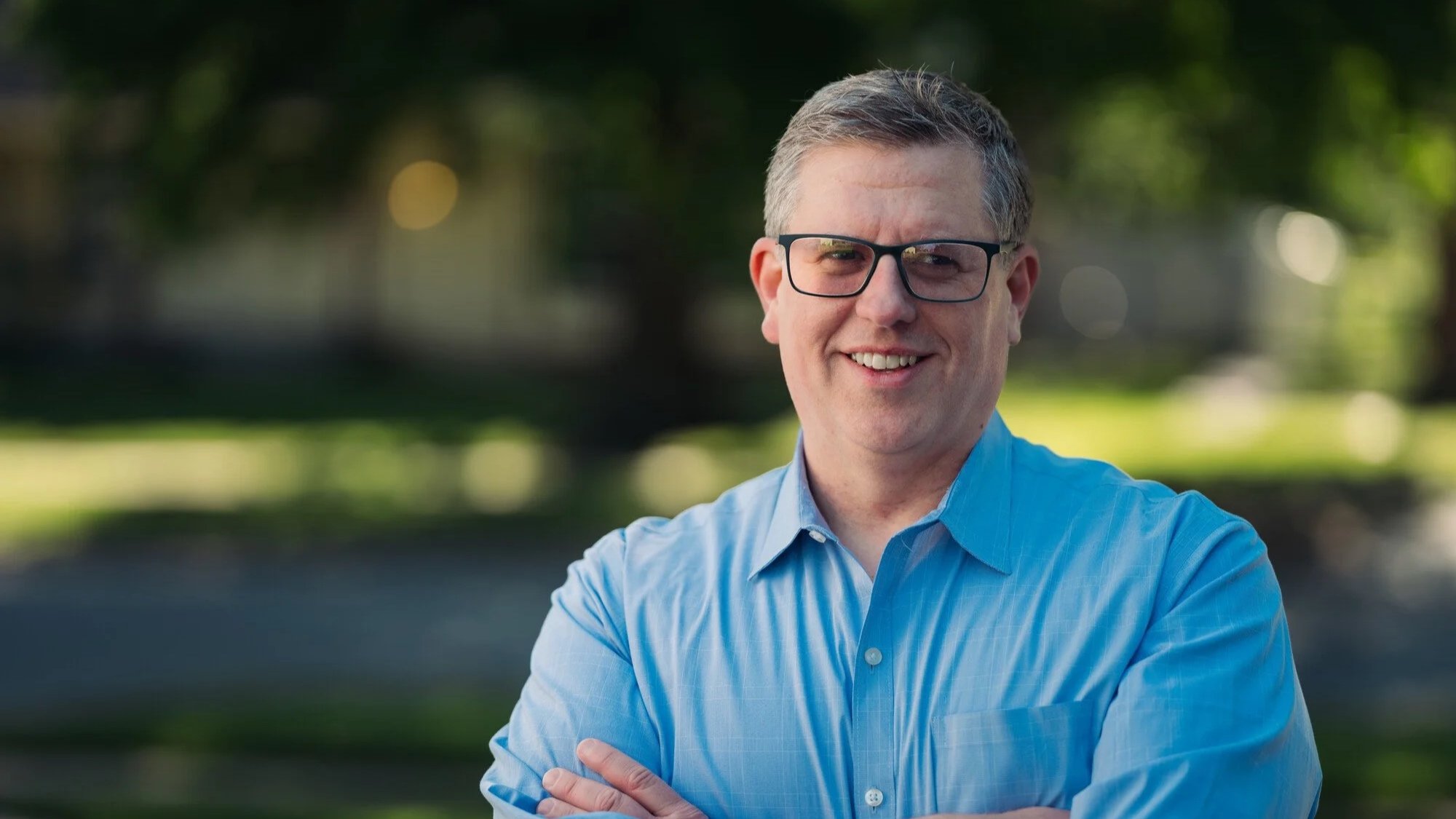
Photo by John Burns
Spencer Duncan was sworn in as mayor of Topeka in 2026. A lifelong Topekan, Duncan has dedicated his career to public service, community development and strengthening local government. He is committed to fiscal responsibility, neighborhood investment, infrastructure improvement and expanded opportunities for families and businesses across the capital city.
Before his election as mayor, Duncan was elected to the Topeka City Council in 2019, representing the district where he grew up. He served as deputy mayor in 2022 and chaired the council’s Policy and Finance Committee for much of his tenure, helping oversee budget development, economic policy and long-range planning initiatives. His work on the council focused on responsible budgeting, sustainable growth and transparent governance.
Duncan also serves as government affairs director for the League of Kansas Municipalities, representing cities across the state before the Legislature. He founded Capitol Connection, a government relations firm, in 2005, advising statewide associations, small businesses, nonprofits, educational institutions and local governments.
Duncan is an alum and former state chair of Leadership Kansas, which gave him a statewide perspective on economic development, infrastructure, housing and civic engagement. A graduate of Topeka Public Schools, Duncan attended McEachron Elementary, French Middle School and Topeka West High School. He holds a Bachelor of Arts in English and a Bachelor of Science in Journalism from the University of Kansas and an MBA from Baker University. He later served as an adjunct professor at Washburn University.
Duncan began his career in journalism, serving as editor-in-chief of the University Daily Kansan and receiving the Roy E. Howard Award for excellence in writing and reporting. He worked as a reporter, editor and columnist for the Topeka Capital-Journal, the Austin American-Statesman, the Rocky Mount Telegram and the Emporia Gazette, and is the author of “Historic Shawnee County: A History of Topeka and Shawnee County.”
He is a two-term president of Topeka West Rotary and a former president of the Topeka Performing Arts Center Board of Trustees, and has served on the Stormont Vail Event Center Advisory Board, the Topeka Zoo Board, the Topeka Small Business Advisory Committee and the Shawnee County Child Care Task Force.
A lifelong member of St. David’s Episcopal Church, Duncan has served on the vestry and as a founding member of the church’s volunteer “Breakfast Crew.”
Duncan and his wife, Barbara, a financial planner and partner at a locally owned wealth management firm, are active supporters of the arts and philanthropic initiatives in the community. They live in Topeka with their son.
Topeka Mayor Spencer Duncan shares his vision for growth, housing, infrastructure and small business support
What inspired you to run for mayor of Topeka?
It sounds simple, but the answer is deeply personal: this is my hometown. This is where I grew up, where my family lives, where we are raising our son and where we’ve chosen to invest by owning businesses. Topeka has given me so much, and I feel a responsibility to give back in a meaningful way. Public service, for me, is about making a tangible difference in the community you care about most. I saw an opportunity to help move Topeka forward, bring people together and ensure this city is a place where families and businesses can thrive.
What values shape your leadership style?
The core of my philosophy is that people come first. Every decision we make should begin with the question: “Who does this impact, and how?” My experiences — in public service and in the private sector — have reinforced that effective leadership requires listening, collaboration and accountability. I believe in bringing people to the table, hearing different perspectives and making decisions that reflect not just policy goals, but real-world impacts on individuals, families and businesses.
How would you describe your vision for Topeka over the next three to five years?
It centers on sustainable, meaningful growth. That means growing our economy, expanding housing, strengthening neighborhoods and ensuring the needs of our residents are met. Success, for me, is not defined by one single project or announcement. It’s about whether, at the end of my time in office, Topeka is better off than when I took office. If we have a city where people want to live, work and invest, then we’ve done our job.
What do you believe are Topeka’s greatest strengths right now?
Our people. Topeka has a deeply engaged and passionate community, and that is something not every city can say. Citizen involvement is not something to manage, it’s something to embrace. When you invite people into the process, you get better ideas, stronger outcomes and a greater sense of shared ownership in the future of the city. That civic pride and willingness to step up is one of our biggest assets.
Where do you see the most opportunity for growth and transformation in the city?
Economic development drives opportunities across the board. It creates jobs, strengthens our tax base and brings new energy into the community. While attracting major employers is always important, our biggest opportunities lie in supporting the businesses we already have, particularly small businesses. These are the backbone of our local economy. If we can help them grow, expand and succeed, we create a more resilient and self-sustaining economy built from within.
What are the biggest challenges facing Topeka?
One of them is managing the rising cost of infrastructure. Maintaining roads, replacing water lines and upgrading essential systems are necessary investments, but they come at a significant cost that continues to increase. The challenge is finding the right balance. We must continue to invest in infrastructure while also ensuring we have resources to address other critical priorities like housing, workforce development and public safety. Thoughtful budgeting and long-term planning will be key to making sure we’re not forced to choose between just maintaining what we have and building for the future.
How do you plan to support the local business community?
By understanding their needs and removing unnecessary barriers to growth. That includes focusing on small businesses and entrepreneurs, who often face the greatest challenges accessing capital and scaling their operations. We’re also working to strengthen the broader ecosystem that supports business success, things like workforce development and access to affordable child care. I’m launching a Workforce Development Task Force to bring stakeholders together and identify practical solutions. When businesses have access to talent, capital and support services, they are more likely to succeed and grow.
What role do small businesses play in your vision for the city’s economic future?
Small businesses are central to our economic future. They make up the majority of our business community and represent one of the most significant opportunities for long-term, sustainable growth. When small businesses succeed, they create jobs, reinvest locally and contribute to the identity of our city. Supporting them is essential to building a resilient local economy.
What steps can be taken to make Topeka more competitive with neighboring cities and regions?
I don’t view our neighboring communities as competition. I see them as partners. Growth in surrounding counties ultimately benefits Topeka, and vice versa. We should be building stronger regional coalitions with communities in Osage, Jefferson, Jackson and Wabaunsee counties to pursue shared economic development opportunities. At the same time, we need to leverage our role as the capital city. That distinction brings unique opportunities, and we need to be more intentional about using it to attract investment, talent and attention to Topeka.
What initiatives are you most passionate about?
Housing development is at the top of the list. It’s one of the most critical issues we face because it directly impacts workforce growth, economic development and quality of life. If people can’t find a place to live, they can’t move here, work here or invest here. Addressing housing in a thoughtful and strategic way unlocks progress in so many other areas.
What will transparency and communication look like under your administration?
Transparency and accessibility are priorities for me. I want people to feel like they can connect directly with their mayor and have their voices heard. If you see me in the grocery store and don’t think I am approachable, then I am failing. I’m creating multiple opportunities for engagement, including open office hours at city hall, community town halls, online Q&A sessions and the return of my podcast, The Civic Circus. I’ll continue to be responsive to emails, calls and in-person meetings. Communication should be an ongoing conversation.
What message would you like to share directly with business leaders and entrepreneurs reading this interview?
My wife and I are small business owners in this city. We understand the challenges they face because we live them every day. There can be tension between business and government, but that doesn’t have to be a barrier. My message is simple: let’s work together. If you’re facing challenges, bring them forward. If you have ideas, share them. The best solutions come from collaboration. If we approach these issues with a willingness to listen, problem-solve and partner, we will create an environment where businesses thrive.